
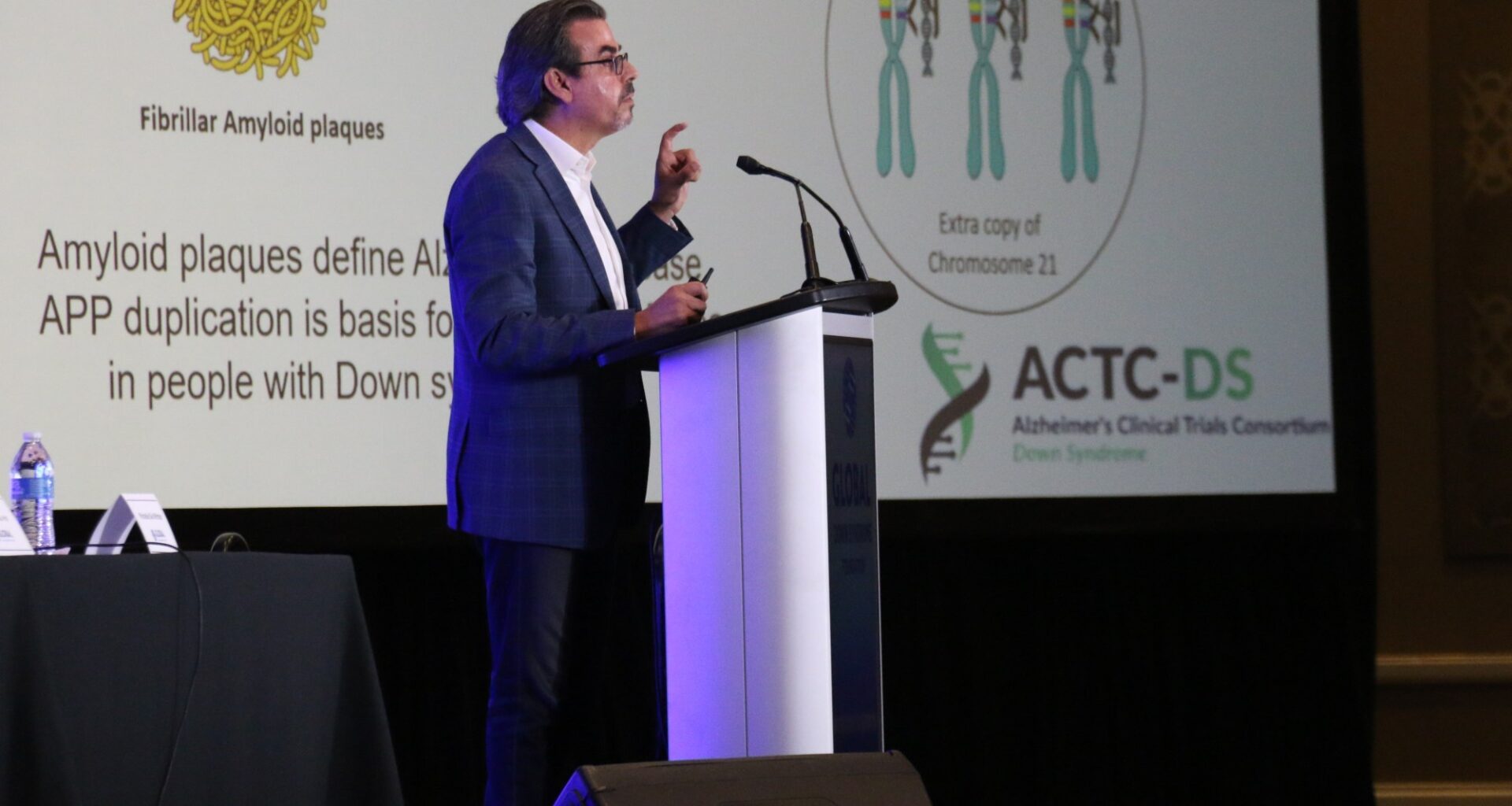
One of USC Epstein Family Alzheimer’s Therapeutic Research Institute (ATRI) key scientists, Michael Rafii, is behind a new wave of research into Down syndrome patients and their link to Alzheimer’s disease.
ATRI, located in Sorrento Valley, works directly with Alzheimer’s patients and research, hosting numerous clinical studies and patient services.
“We coordinate Alzheimer’s disease clinical trials around the world. In addition to our work in the general population, a major focus of our program is Alzheimer’s disease in people with Down syndrome, the world’s largest population genetically determined to develop Alzheimer’s disease,” said Rafii, medical director of ATRI and a Carmel Valley resident.
For the past 15 years, Rafii and his team have been studying how Alzheimer’s disease develops in people with Down syndrome. By the age of 40, approximately 95% of people with Down syndrome develop Alzheimer’s disease, the leading cause of death for this population.
“One of the most important things we have learned is that the underlying biology is essentially the same as it is in other forms of Alzheimer’s disease. The major difference is timing. In people with Down syndrome, the biological changes associated with Alzheimer’s typically begin much earlier, often in their early 40s, with dementia developing at an average age of approximately 53,” explained Rafii.
In people with Down syndrome, the risk and reason are quite clear and genetic.
“People with Down syndrome have three copies of chromosome 21 rather than the usual two. Chromosome 21 contains the gene encoding amyloid precursor protein, or APP. Having an extra copy of this gene results in increased production of APP and, ultimately, overproduction of beta-amyloid, the protein that accumulates in plaques in the brains of people with Alzheimer’s disease,” said Rafii.
With years of research into causation and outcome of how Alzheimer’s disease develops in people with Down syndrome, the team at ATRI is in a new phase. Currently, Rafii and his fellow researchers are testing treatments designed to prevent, slow or potentially alter the course of the disease.
“We have established a large consortium of clinical sites that are bringing the latest treatments for Alzheimer’s disease to the Down syndrome population. We are launching two major clinical trials for Down syndrome-related Alzheimer’s disease. The first, the ALADDIN trial, will test donanemab, an FDA-approved therapy that removes beta-amyloid plaques from the brain and has demonstrated clinical benefit in people with Alzheimer’s disease in the general population. ALADDIN will allow us to determine whether targeting amyloid in this way can also benefit people with Down syndrome,” said Rafii. “The second trial, APPlauDS, takes an even more targeted approach. Rather than removing amyloid after it has accumulated, APPlauDS targets the APP gene on chromosome 21, the genetic source of amyloid overproduction in people with Down syndrome. Because people with Down syndrome carry an extra copy of chromosome 21 and therefore an extra copy of APP, this approach is directed at one of the earliest causes in the biological pathway leading to Alzheimer’s disease.”
A major reason why this research is important has been the lack of it up until now. The Linda and Mike Mussallem Foundation saw this issue and donated a grant to help fund the research, hopeful that accessibility to resources for people with Down syndrome would only continue to grow.
Linda and Mike Mussallem each grew up with an older brother who had Down syndrome, another major factor when deciding to donate a grant to the Keck School of Medicine of USC.
“It is a little-known fact that Alzheimer’s strikes those with Down syndrome at a much earlier age than the rest of the population. Yet those with Down syndrome have been excluded from trials for new and promising treatments. This grant felt like a great way to help change that. We’re hoping to bring awareness and action to offer therapies that will delay and prevent the tragedy of Alzheimer’s diseases for the Down syndrome population along with all others,” said Mike Mussallem.
Another large influence when funding and conducting research is how communities care for people with developmental disabilities as they age and develop Alzheimer’s disease.
“Noah Homes in Spring Valley recognized this need early and took extraordinary action. In 2013 they developed one of the nation’s first dedicated memory-care programs for adults with developmental disabilities experiencing age-related conditions such as Alzheimer’s disease. The project included two specially designed 5,000-square-foot homes providing a total of 20 beds in an environment designed around the particular needs of this population,” explained Rafii.
As people with Down syndrome live longer lives, the need for spaces like Noah Homes will only grow.
“Noah Homes recognized that reality and created a model for addressing it. The work at Noah Homes and the research we are conducting at ATRI represent two essential parts of the same mission. We need outstanding care for people who are living with dementia today, while at the same time pursuing treatments that could change what aging with Down syndrome looks like for future generations,” said Rafii.
As research continues to grow, ATRI is lucky to have people with Down syndrome already participating across a wide range of their resources.
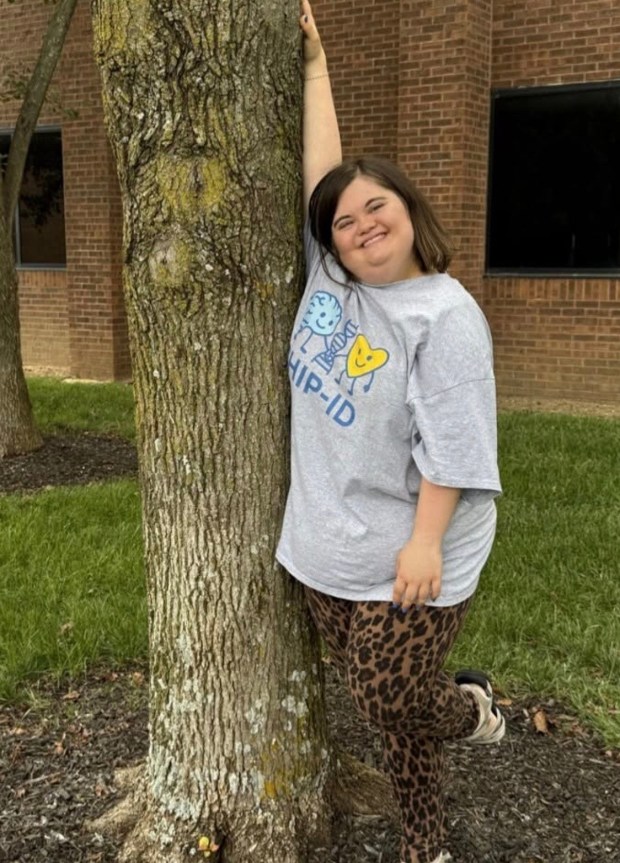 ATRI ambassador Katie
(Courtesy of ATRI)
Ambassador Katie is ATRI’s first ambassador for an innovative new program placing a trained and paid individual with Down syndrome at participating research sites to help guide participants and families through the clinical trial journey.
“I want to encourage others to believe in themselves and know they are not alone in this journey. I’m truly excited to be on this journey with all of you, and I appreciate your support as we take these steps together. I’m really excited to be the first person with Down syndrome to inspire others as part of this program,” said Katie.
Looking ahead, Rafii and his team are thrilled to continue pouring efforts into Alzheimer’s disease prevention, research and care for people with Down syndrome.
“After 15 years of studying the development of Alzheimer’s disease in Down syndrome, we now have an opportunity to translate that knowledge into clinical trials specifically designed for this population. Our goal is not simply to understand why Alzheimer’s disease occurs in people with Down syndrome, but to develop treatments that can delay, prevent, or effectively treat it and ultimately give people with Down syndrome the opportunity to live longer, healthier lives without dementia,” said Rafii.
More information on ATRI can be found at atri.usc.edu
More information on the grant from the Linda and Mike Mussallem Foundation can be found at keck.usc.edu/news/linda-and-mike-mussallem-foundation/