
Nicholas La Motte is seeking at least $4 million in damages from CHP Officer Jayce Ray and Sgt. John Snider.
Aug 28, 2026
Updated 3:14 pm PT
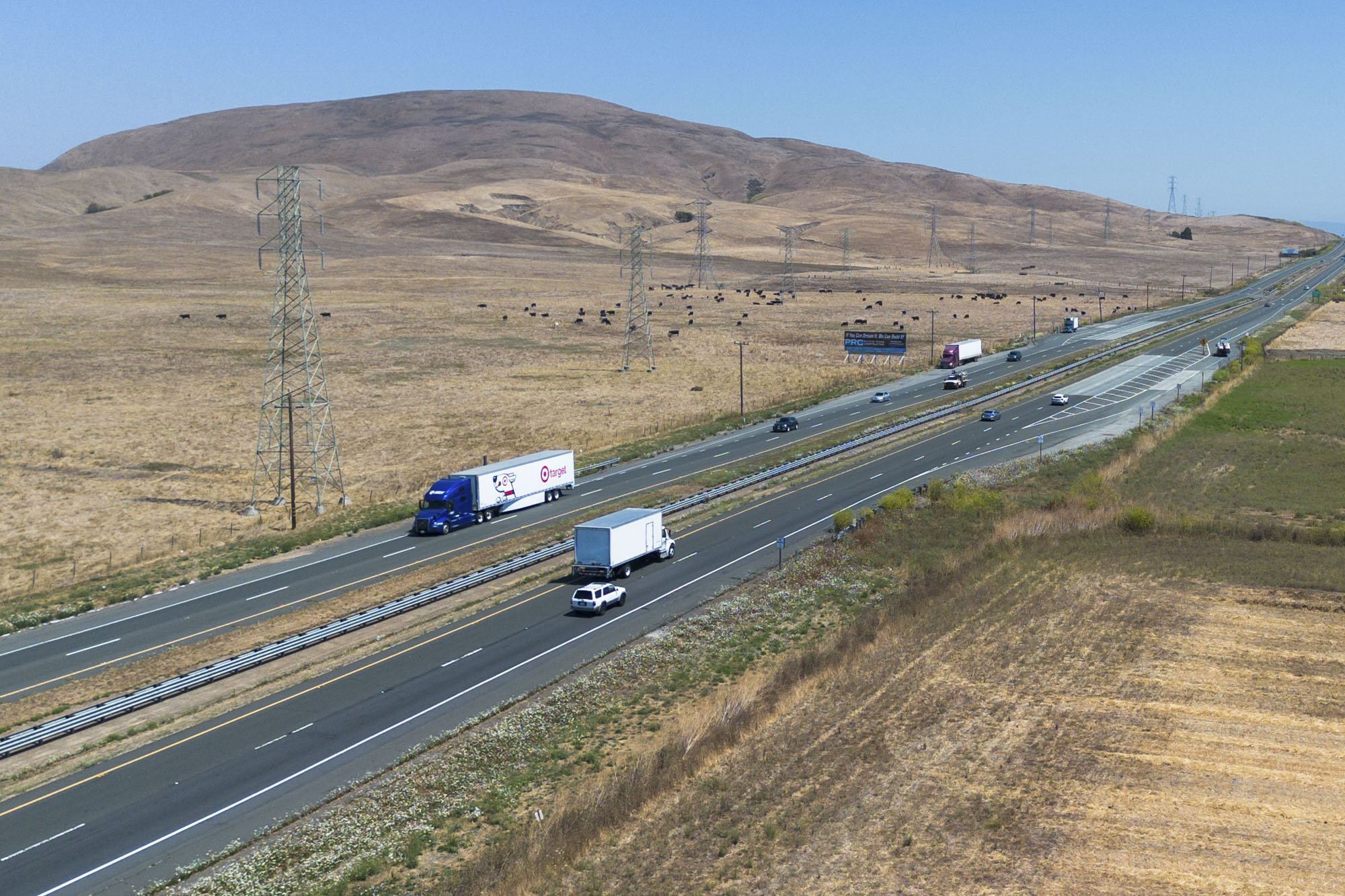
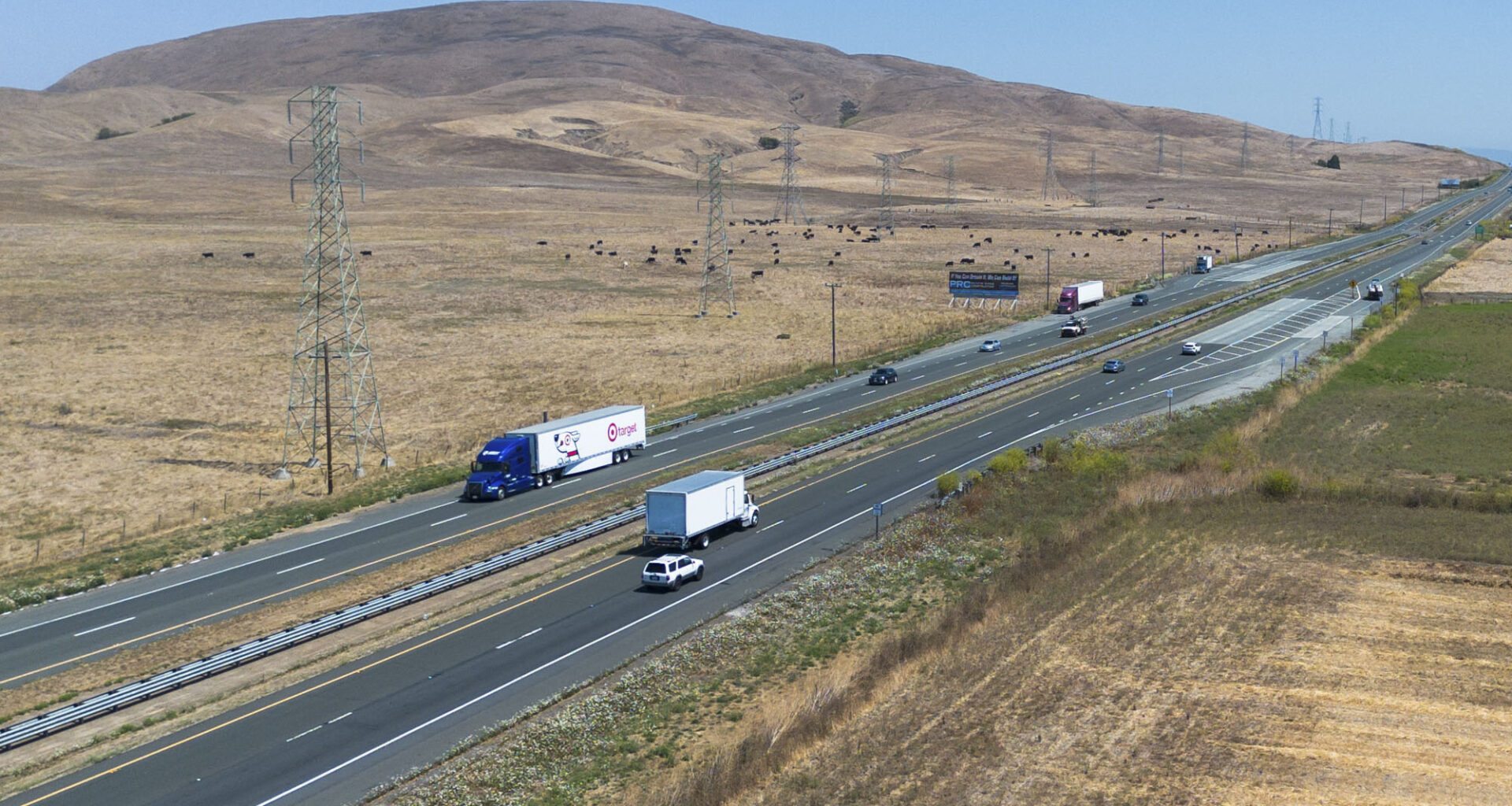
Cars drive down Highway 37 in Sonoma County on Aug. 19, 2026. La Motte’s lawsuit alleges that the CHP officers violated his Fourth Amendment rights against unreasonable search and seizure. (Miles Cull/KQED)
An Oakland jury must decide whether two California Highway Patrol officers will be held civilly liable for the allegedly unlawful arrest of a Black man in Sonoma County.
Nicholas La Motte, a Sonoma County resident, is seeking at least $4 million in damages from CHP Officer Jayce Ray and Sgt. John Snider, alleging in a lawsuit that three years ago, he was “targeted for mistreatment because of his race” and falsely arrested.
On the witness stand on Friday, La Motte testified that on April 25, 2023, he was returning home from visiting his grandmother in San Francisco, driving northbound on U.S. 101 at around 1:30 a.m. He noticed a car close behind him and followed his navigation’s instructions by taking the Santa Rosa exit.
When Ray, who was driving the vehicle that allegedly tailed La Motte, flipped on his flashing lights, La Motte secretly began recording on his phone — footage that was played multiple times in court.
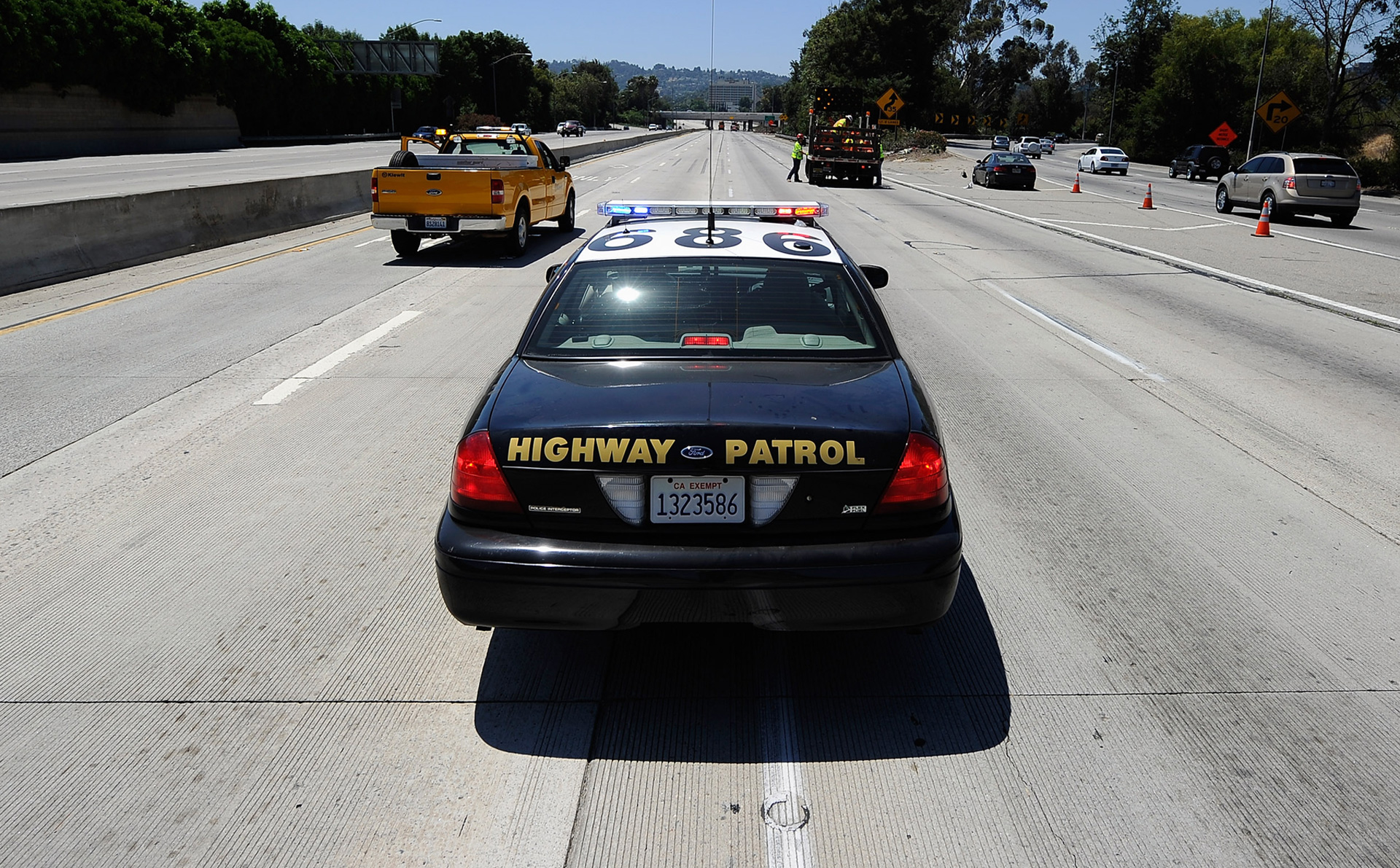 A California Highway Patrol cruiser. (Kevork Djansezian/Getty Images)
Ray suspected La Motte was driving under the influence. La Motte said he used cannabis to help him sleep, but hadn’t consumed any in the 24 hours leading up to the incident.
Despite La Motte passing field sobriety tests and negative Breathalyzer results, Ray filed his report that La Motte “had red eyes, that his speech was rapid, his eyes appeared dilated, and that his carotid pulse appeared to be ‘bounding,’” according to the lawsuit.
La Motte’s attorneys argued that Ray’s notes were “demonstrably false.”
La Motte testified that at one point, Ray had the keys to La Motte’s car. When he asked for them back, the officer dropped them on the ground, an act that he called “humiliating.”
Ray found La Motte’s cell phone in his pocket and stopped the recording while placing him under arrest for driving under the influence of drugs. CHP officers are not required to wear body cameras.
District Judge Araceli Martínez-Olguín denied a motion to immediately end the trial on the basis of qualified immunity, the legal protection that protects government employees from civil liability unless they violate someone’s constitutional rights.
But by not raising the issue earlier, Martínez-Olguín told Emmons, “you let that go,” regarding the officers’ qualified immunity.
The Attorney General’s office called Capt. Lorenzo Glenn of the Anaheim Police Department, who testified that he reviewed the case files and found Ray and Snider’s actions were within accepted police practices. He testified that “they acted properly” in arresting La Motte.
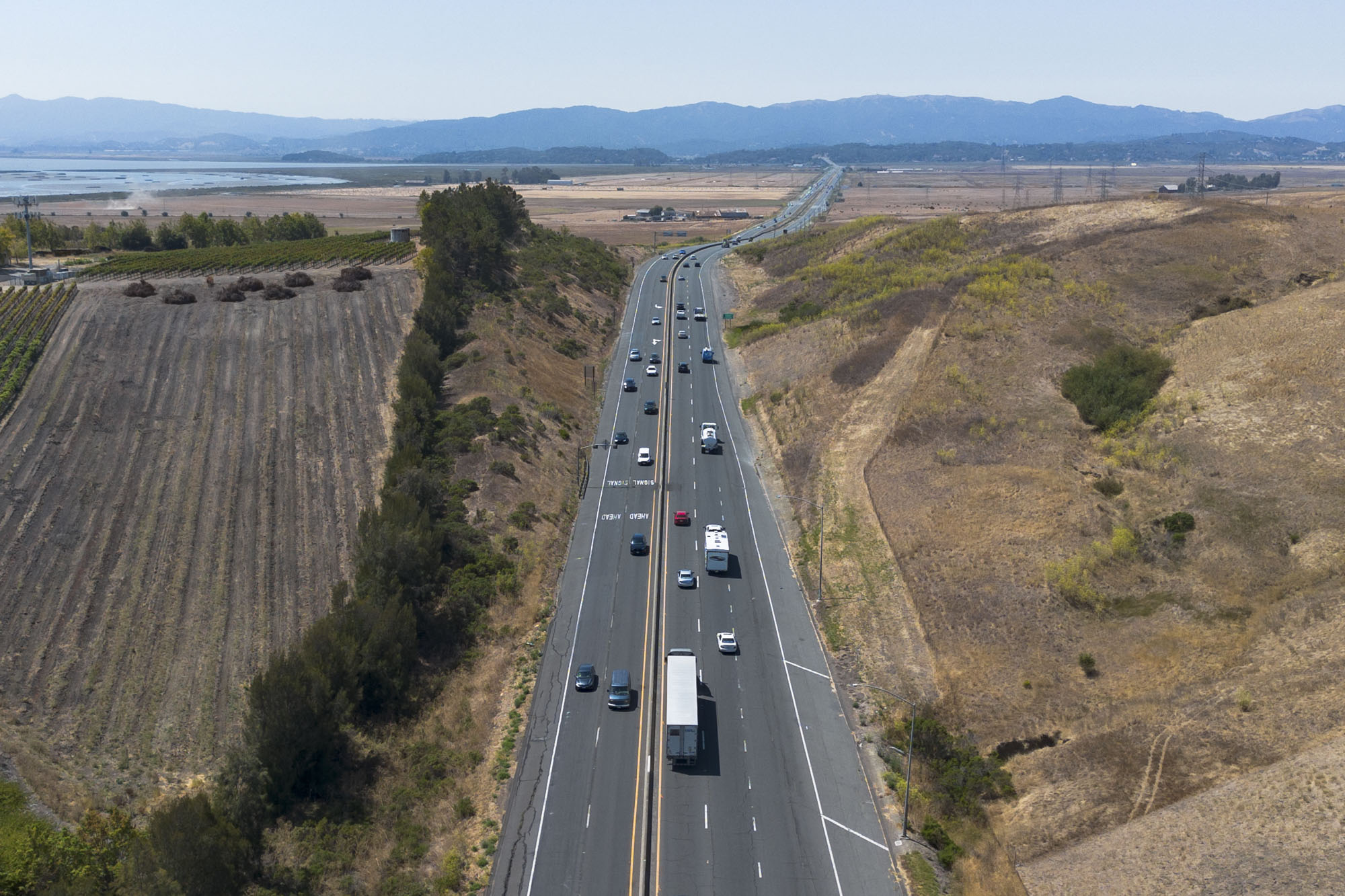 Cars drive down Highway 37 in Sonoma County on Aug. 19, 2026. (Miles Cull/KQED)
During his cross-examination, Glenn said he has never testified as either a DUI or drug recognition expert and doesn’t consider himself one. Jurors watched intently as Izaak Schwaiger, one of La Motte’s attorneys, went through La Motte’s cell phone video, frame by frame, to pinpoint when his eyes appeared red, a sign police use to determine impairment.
Debra Erickson, a former CHP officer and DUI expert, testified on behalf of La Motte on Thursday that he didn’t show signs of intoxication.
Schwaiger asked how Glenn could possibly gauge the work of Ray and Snider without being a subject matter expert on DUI arrests. Glenn responded that he “evaluated their reports” and consulted a manual on recognizing if someone is under the influence of drugs.
“I looked at everything that was important,” Glenn said, admitting he didn’t read the whole book or relevant parts about how drugs can impact a person’s eye movements.
During closing remarks, Emmons said the CHP officers weren’t trying to frame La Motte, and the case wasn’t about whether Ray and Snider were perfect, but that they were “not wicked and vicious.”
Emmons asked jurors to “take them at their word: they saw what they saw, and they did their job.
“We need them,” Emmons said. “We need them to do their jobs.”
“Yes, we need them to do their jobs,” Schwaiger said in response. “Do their jobs in accordance with the law.”
The jury has elected to resume deliberations on Monday morning.