
California city councilmembers will no longer have to publicly seek permission for parental leave or risk losing their seats for taking it under a new law signed this week by Gov. Gavin Newsom.
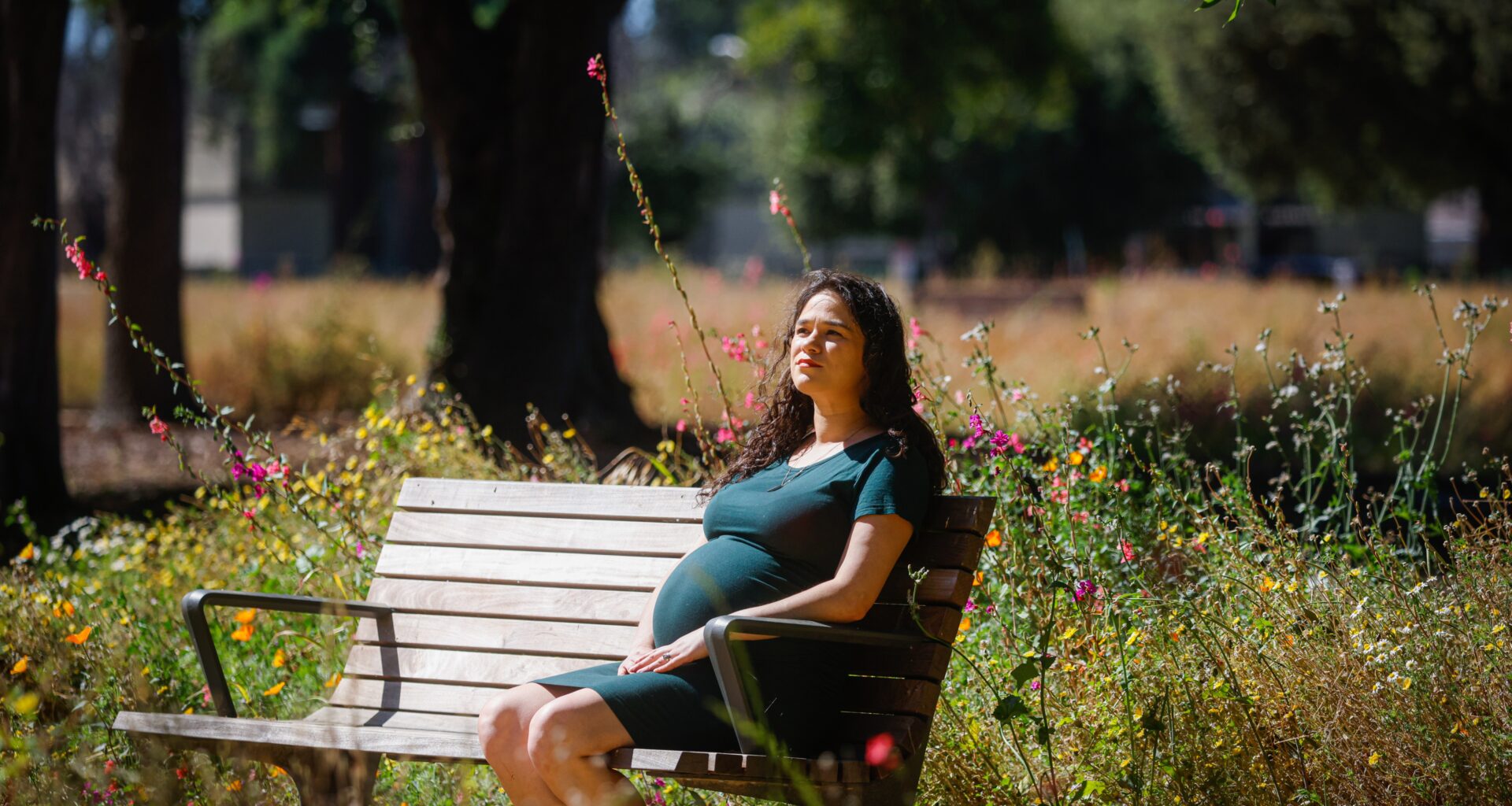
The Family Friendly City Councils Act, authored by state Assemblymember Dawn Addis, D-San Luis Obispo, was inspired by a 2024 article from this news organization about Sunnyvale Councilmember Alysa Cisneros, who, at a public meeting when she was seven months pregnant, had to seek approval to take parental leave from her fellow council members.
Cisneros was among the many local elected officials in California who weren’t covered by the Family and Medical Leave Act, putting her at risk of losing her seat since cities like Sunnyvale have rules in place to declare a seat vacant if a councilmember is absent for a certain number of meetings.
The new law, which takes effect Jan. 1, will prevent the kind of public process that Cisneros had to go through by requiring cities to set out a private procedure for councilmembers to notify city officials that they will be taking up to 12 weeks of leave. The law also prohibits parental leave from counting toward the number of allowed absences allotted to each council member.
“Women who are already doing extraordinarily difficult and important things with their time and in their lives will need to make one less painful, difficult decision,” Cisneros said about not having to make a public declaration about a private medical matter. “I know that this decision can mean the difference between somebody deciding to enter public service and represent people like themselves or not.”
Cisneros said that when Addis called her to give her the news she was “completely shocked” at how quickly the bill was signed into law. After a moment, she said it hit her how important it was for her to tell her story.
AB 2134 received bipartisan support in both the state Assembly and state Senate, passing unanimously through both chambers. Addis said in a statement that the law is “vital because it ensures local elected officials now have the family leave protections that millions of other Californians currently receive.” It was Addis’ first bill of the legislative session, which ends Monday, to be signed into law. Newsom’s office did not respond to a request for comment.
“Local communities and our democracy as whole thrives when parents serve in elected office,” she said. “But for far too long, barriers have made it harder for expectant and new parents to do so.”
In a statement, Liuba Grechen Shirley, the founder and CEO of Vote Mama Lobby, called the new law a “game changer for building a political system that listens to families and delivers on policies that solve their biggest challenges.”
The group, which supports mothers running for office, found that as of February 2026, only 8% of state legislators in the United States were moms with children younger than 18. California is the state with the highest proportion of mothers with young children in the legislature at nearly 22%. State legislators, though, have protections under the Family and Medical Leave Act that aren’t afforded to many local elected officials.
“When government service is only sustainable for people without caregiving responsibilities, we get representation that doesn’t understand the day-to-day struggles working families face, and policies that fail women and children,” Grechen Shirley said.
While Cisneros said she received nothing but support from the community when she decided to have her second child, that isn’t always the case. Former Sunnyvale Mayor Melinda Hamilton faced scrutiny for years because of her decision to have her first child shortly after she was elected in 2003. She previously told this news organization that when campaigning for re-election, a voter asked her if she was “the one who got pregnant” before saying he wouldn’t vote for her and slamming the door in her face.
Cisneros said she got to break the news of the bill becoming law to Hamilton.
“I got to be the one to tell her, ‘No one’s going to go through that ever again in this state,’” Cisneros recounted. “She really went through it… but to tell her ‘yeah, that’s not the way it is anymore,’ oh that was amazing.”