
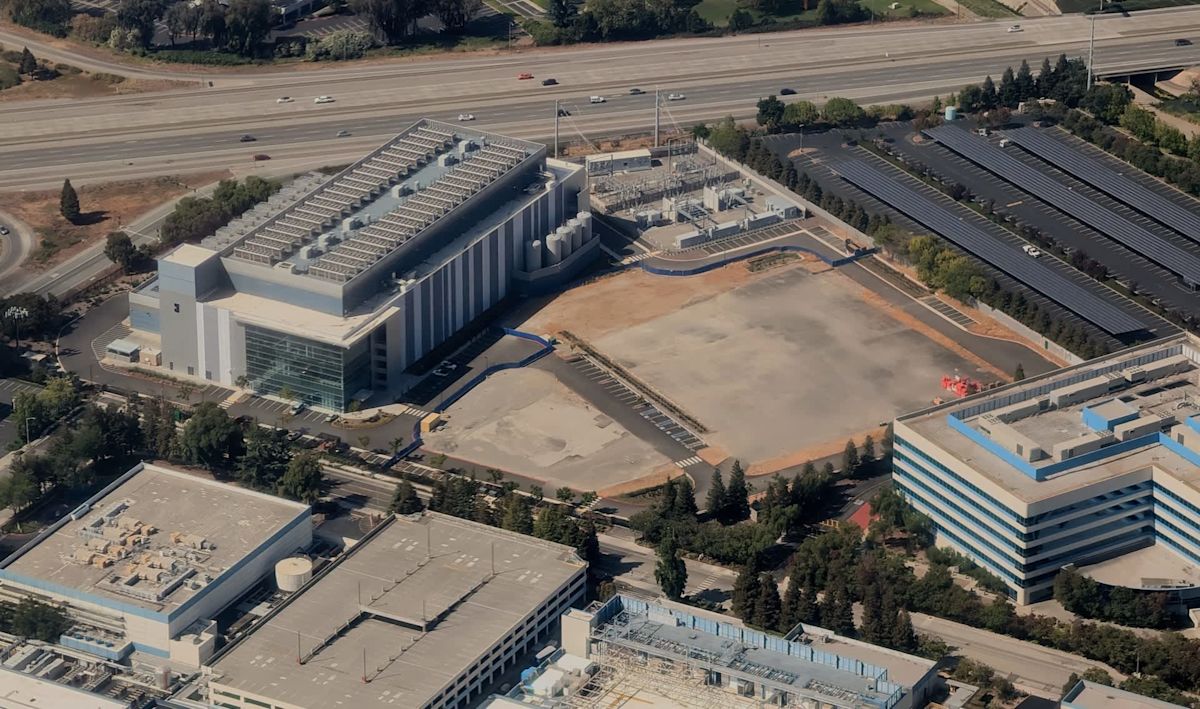
California lawmakers are moving to get ahead of an issue that has sparked alarm in communities around the country: energy-hungry data centers that can strain the grid, worsen pollution, and leave everyone else paying more on their utility bills.
That concern is especially sharp in California, where power is already expensive. Lawmakers there have introduced two bills aimed at preventing AI and cloud infrastructure from adding to residents’ electric bills.
Here’s what to know
A key committee approved both state Senate measures, according to Canary Media. One is designed to prevent large data centers from passing energy-related expenses on to the public, while the other would nudge new projects toward cleaner electricity.
Under Senate Bill 886, the California Public Utilities Commission would have to establish requirements for data centers drawing at least 25 megawatts. Those facilities would be responsible for the generation additions and grid upgrades their power demand creates, and they would also contribute a “reasonable share” toward the fees utilities charge customers for wildfire prevention and similar programs.
SB 886 would further require those facilities to participate in a demand-response program, so they would have to cut back power consumption when the grid faces an emergency.
State Sen. Steve Padilla has framed the legislation as a middle-ground approach. As he told Canary Media, “People are asserting that it’s a binary choice” on data centers. “You can either ban them all, which is some communities’ reaction, or you can have zero regulation.”
More background
California has avoided the same scale of giant data center construction seen elsewhere, yet sizable developments are on the drawing board near Silicon Valley. Canary Media reported that planned projects include Microsoft’s 48-megawatt site in San Jose, Stack Infrastructure’s 77-megawatt facility in Hayward, and Google’s proposed 250-megawatt research and development center in San Jose.
That prospect has intensified debate because the industry offers employment and investment even as it fuels concerns about dirtier backup equipment, greater dependence on oil and gas, and rising electricity rates.
Backup power is a major concern. Data centers typically rely on diesel generators during outages or grid stress, and those systems can further degrade air quality, a contentious issue in neighborhoods already living with heavy industrial pollution.
Canary Media reported that Padilla’s bills stemmed from a dispute in one of the counties he represents, where residents clashed with a developer over a data center proposal.
What’s being done?
The companion measure, Senate Bill 887, would speed up state environmental review for projects that agree to tougher requirements. Developers would qualify by matching every hour of electricity use with carbon-free power within five years, with 75% of that energy coming from newly constructed clean sources.
The bill also calls for zero-carbon backup power during periods of grid stress, most likely batteries rather than diesel generators. It would also require developers to pay interconnection costs upfront and adopt a community benefits plan.
Padilla summarized the goal by saying, “We can protect consumers and communities, and support infrastructure that supports tech companies and jobs.”
Get TCD’s free newsletters for easy tips, smart advice, and a chance to earn $5,000 toward home upgrades. To see more stories like this one, change your Google preferences here.