
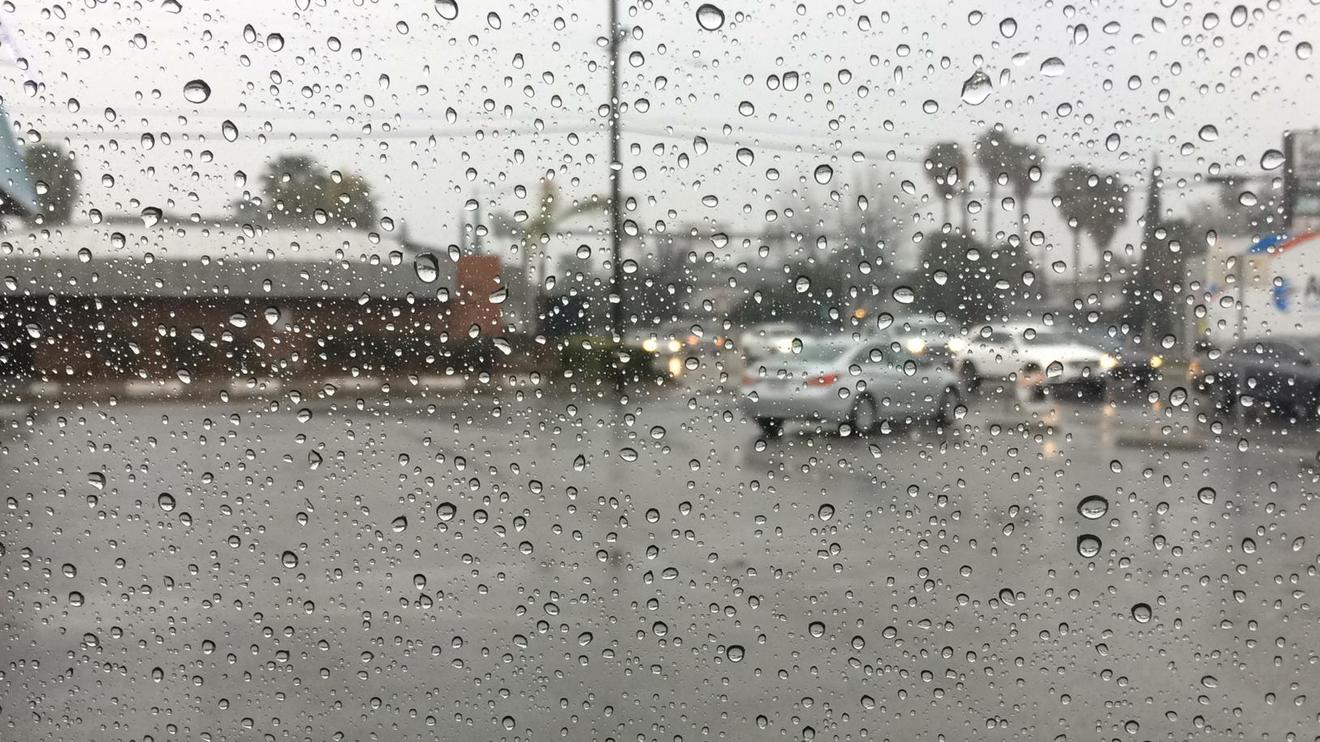
BAKERSFIELD, Calif. (KBAK/KBFX) — With a strengthening El Niño raising the possibility of a wetter fall and winter in Kern County, one local insurance broker is encouraging homeowners to prepare their properties and review their insurance coverage before storms arrive.
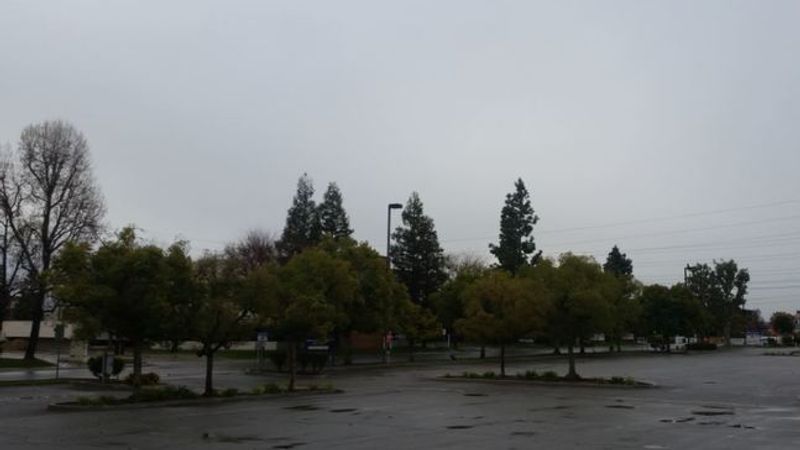 A storm in March brought with it some rain which soaked Kern County, Calif., photo taken March 3, 2018. (KBAK/KBFX)
“The odds are tilted that we will receive at least some precipitation — at least some above average precipitation — for this fall through into the winter as well as into the spring,” Ochs said.
While a wetter winter is not guaranteed, insurance broker Guillory Yahut for Omega Financial & Insurance Services, said homeowners should not wait to begin preparing.
Preparing your home before winter
Yahut said preparation can begin with a walk around the property to identify areas that could become problems during heavy rain or wind.
“They can inspect their roof for missing damaged shingles or tiles,” Yahut said. “They can do a property review around their home, and see if there’s any trees that are really close, that are damaged, or dying.”
She also recommends checking gutters, drains and downspouts to make sure water will be able to properly drain away during periods of heavy rain.
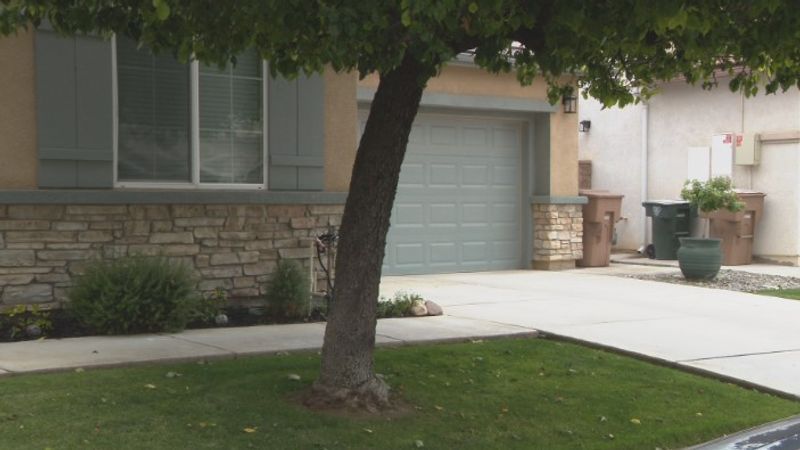 House in Bakersfield.
KBAK/KBFX
Beyond physically preparing the property, Yahut said homeowners should take time to understand their insurance coverage.
“I highly recommend that all insurance homeowners review their insurance with their insurance professionals,” Yahut said.
She said homeowners should pay particular attention to water coverage, their dwelling coverage amount, personal property coverage and loss-of-use limits.
“They want to look for and understand their water coverage,” Yahut said. “And there’s different water coverages as well.”
Flood damage is not included in standard homeowners insurance
One distinction homeowners should understand is the difference between flood damage and other types of water damage.
“Flood, again, is not included in a standard homeowner’s policy,” Yahut said.

Hands of pension man reading retirement paperwork about policy, investment options and funeral cover while planning finance, insurance and budget at home. Signing will, legal document and contract
Yahut said homeowners should not assume that simply seeing water coverage listed in their policy means every type of water damage is covered.
“Water damage, even though it shows that it’s covered in your policy, doesn’t necessarily mean it does,” Yahut said. “There’s different categories in our coverage.”
For example, she said coverage can differ when water damage originates inside a home, such as from a broken pipe, compared with floodwater entering the property from outside.
The California Department of Insurance similarly notes that while homeowners policies do not cover flood damage, they may cover certain other types of water damage. Rain entering through a roof or window damaged by strong winds, for example, may generally be covered depending on the policy.
What if a tree falls on your home?
Heavy rain isn’t the only potential concern during a storm. Wind and saturated ground can also contribute to falling trees.
Yahut said damage to the structure of a home from a fallen tree would typically be covered.
“Typically, yes,” Yahut said. “So, for example, if a tree falls on someone’s home and damages the structure of the home, that typically will be covered.”
She said rain damage could also potentially be covered when a covered event first damages the structure and allows water to enter.
“If the tree or the wind breaks the roof and subsequent water goes in, your personal property should be covered. Typically,” Yahut said.
However, she stressed that coverage depends on the individual policy.
“Yes, depending on the exclusion, the limits of your policy, not all policies are the same either,” Yahut said.
Don’t wait until a storm is approaching to consider flood insurance
For homeowners considering flood insurance, Yahut said waiting until heavy rain appears in the forecast could be too late.
“They take up to 30 days generally of a waiting period,” Yahut said. “So you don’t want to wait and know that, okay, it’s gonna storm this weekend. Let’s hurry up and get flood insurance, ’cause some flood programs will have a waiting period.”
The National Flood Insurance Program generally has a 30-day waiting period before a new policy takes effect, although there are exceptions. The California Department of Insurance advises residents to assess their flood risk and coverage needs before the next storm.
Yahut said her office has seen some additional interest in flood coverage as forecasts surrounding El Niño receive more attention.
“We have seen a little more inquiries about it, but not a whole lot,” Yahut said.
What to do if your home is damaged
If a storm does damage a home, Yahut said documentation should be one of the homeowner’s first priorities.
“Immediately after, they need to take action,” Yahut said.
She recommends contacting the insurance company’s claims department and documenting the damage before beginning cleanup.
“Take exact pictures and video of the damaged areas, different angles, ’cause the more documentation you have, the better it is when you file a loss on a claim,” Yahut said.
Homeowners should also keep track of who they speak with at the insurance company, their claim number and receipts for necessary repairs, she said.
The California Department of Insurance similarly recommends taking pictures, keeping records of cleanup and repair expenses and documenting conversations with insurance representatives. The department advises making necessary temporary repairs to prevent further damage but waiting until an adjuster has seen the damage before making permanent repairs.
Ultimately, Yahut said homeowners should speak directly with their insurance professional because policies, limits and exclusions can differ.
“You really want to look into that and talk to your professionals,” Yahut said.
With El Niño expected to continue strengthening through the end of the year, forecasters say its exact impacts on California are still not guaranteed. For homeowners, Yahut’s advice is to understand their coverage and prepare their property before the rainy season arrives.