
Time to read [4 minutes]
AI-Driven Market Rebound: San Francisco’s housing market has surged, fueled by the generative AI boom, talent concentration, return-to-office mandates, and impending IPOs from startups like OpenAI and Anthropic.
Severe Inventory Crunch: A severe shortage of high-end housing (”mansion shortage”) has emerged as newly wealthy tech professionals compete for limited inventory, a squeeze intensified by Compass’s private listing strategy across its 60% city market share.
Regional Price & Trend Lead: As an epicenter for high-wage tech and international demand, San Francisco’s dense market prices sit at roughly double those in Oakland on an aggregate basis, with an aggressive price rebound several years ahead of its East Bay neighbor.
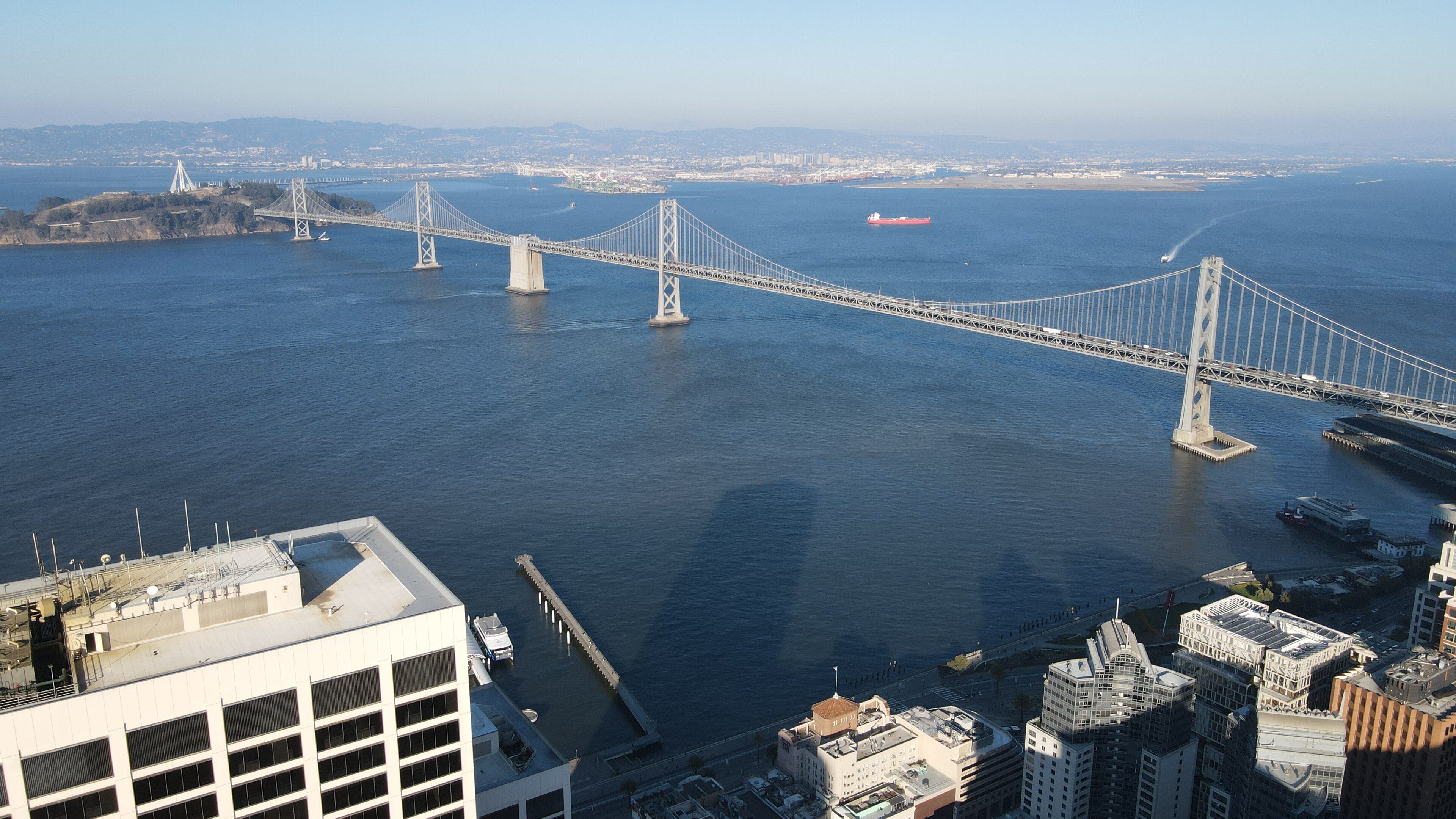 Source: Wikipedia – San Francisco-Oakland Bay Bridge
San Francisco is unusually exposed to technology employment. A tech job doesn’t just support one well-paid tech worker; it also stimulates demand for residential support services like housing, restaurants, transportation, offices, etc. The public release of ChatGPT in late 2022, followed by a rush into generative AI in 2023, shifted attention back towards San Francisco. That’s where the sector’s talent lives. It’s like Floridians proclaiming their state is “Wall Street South,” yet the challenge they face against the NYC securities industry is talent availability (for now).
My other role these days is as the Director of Markets for StreetMatrix. I thought the shift in single-family price direction between San Francisco and Oakland, as shown in the July StreetMatrix report and separated only by the San Francisco–Oakland Bay Bridge, was telling. Per NPR:
San Francisco is the epicenter of the boom in artificial intelligence, and it’s intensifying competition in an already pricey housing market. AI companies are expanding fast as the tech industry brings many workers back to the office. Startups Anthropic and OpenAI are also preparing to go public, a process that has sparked a flood of wealth already, with a bigger one to come.
Our San Francisco price index below bottomed out in 2023 as tech firms realized they had overhired during the pandemic. However, the index has been roaring ahead in 2026, up 14.44% YOY. Listing inventory is tight and getting tighter, worsened by Compass’s private listing strategy, which owns a 60% market share of the city. The phrase going around is “mansion shortage” because those newly minted tech millionaires can’t find the housing they want, which is driving prices higher.
 Source: StreetMatrix San Francisco Price Index
Please don’t take this the wrong way, but I’ve always thought of Oakland as the Brooklyn of San Francisco. It’s where hipsters tread, and housing is less expensive than in San Francisco on the other side of the bridge. After the pandemic, housing prices peaked in mid-2022 and then steadily declined through the fall of 2023. The massive surge in San Francisco prices likely played a key role in shifting Oakland’s pattern upward, albeit several years later.
 Source: StreetMatrix Oakland Price Index
Prices between the two markets are roughly double, and San Francisco’s higher-priced market saw price gains several years ahead of Oakland. San Francisco’s housing stock is heavily weighted toward high-density living. Oakland’s market leans more toward standalone single-family residences, particularly in hillside and residential neighborhoods. Both cities are experiencing tight markets, where homes routinely go over list price. However, San Francisco’s market is heavily driven by the tech sector and international demand, whereas Oakland’s market is largely driven by domestic migration from within the Bay Area. The high-wage AI tech boom has hit San Francisco hard, leaving little inventory, but Oakland is experiencing spillover from oversized demand on the other side of the bay.
The Actual Final Thought – A thoughtful gift.

My Housing Notes column also appears several times a week over at The Real Deal!
