
Nicholas La Motte had claimed in a federal civil rights lawsuit that California Highway Patrol arrested him without cause.
Sep 1, 2026
Updated 4:49 pm PT
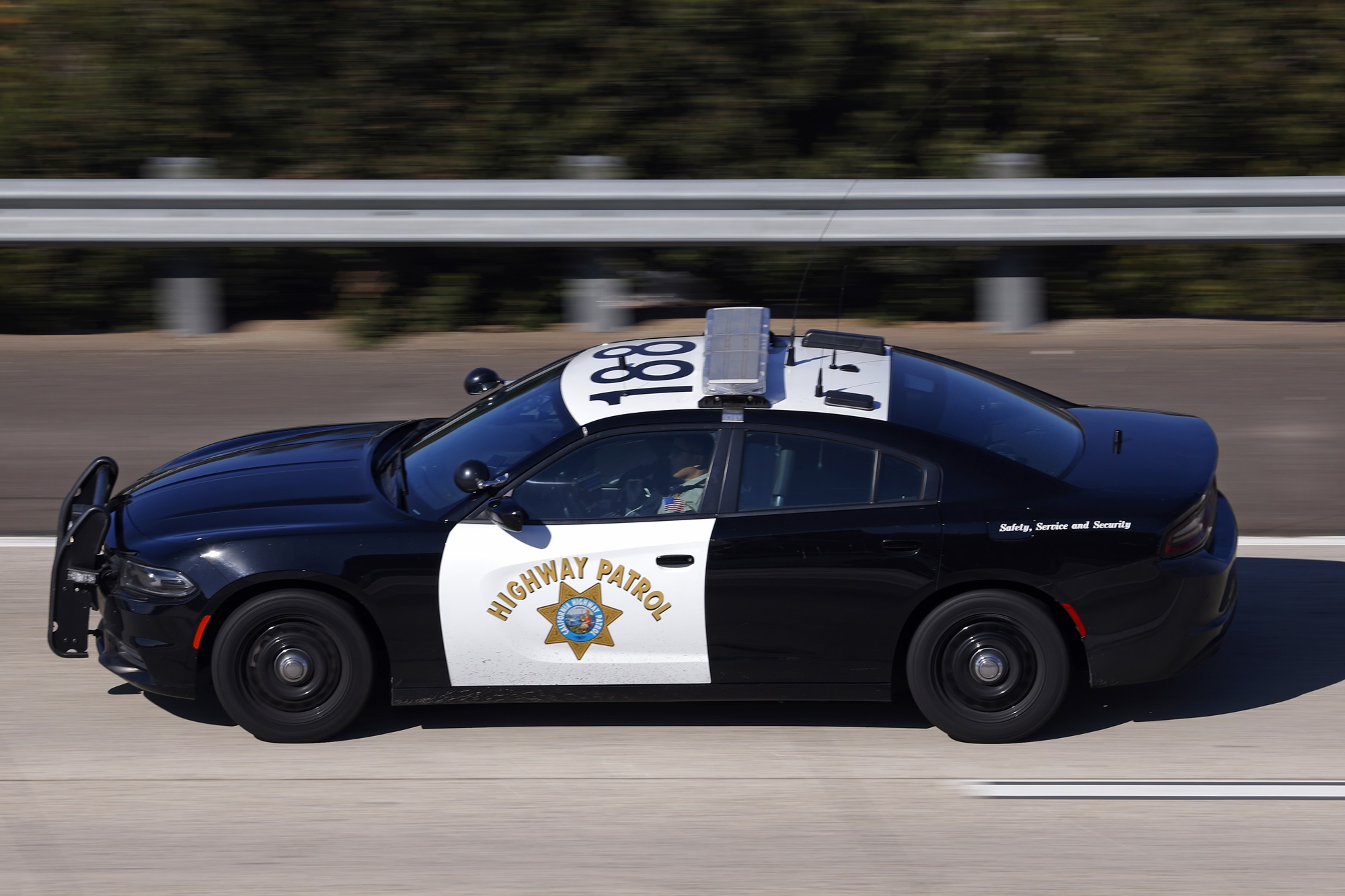
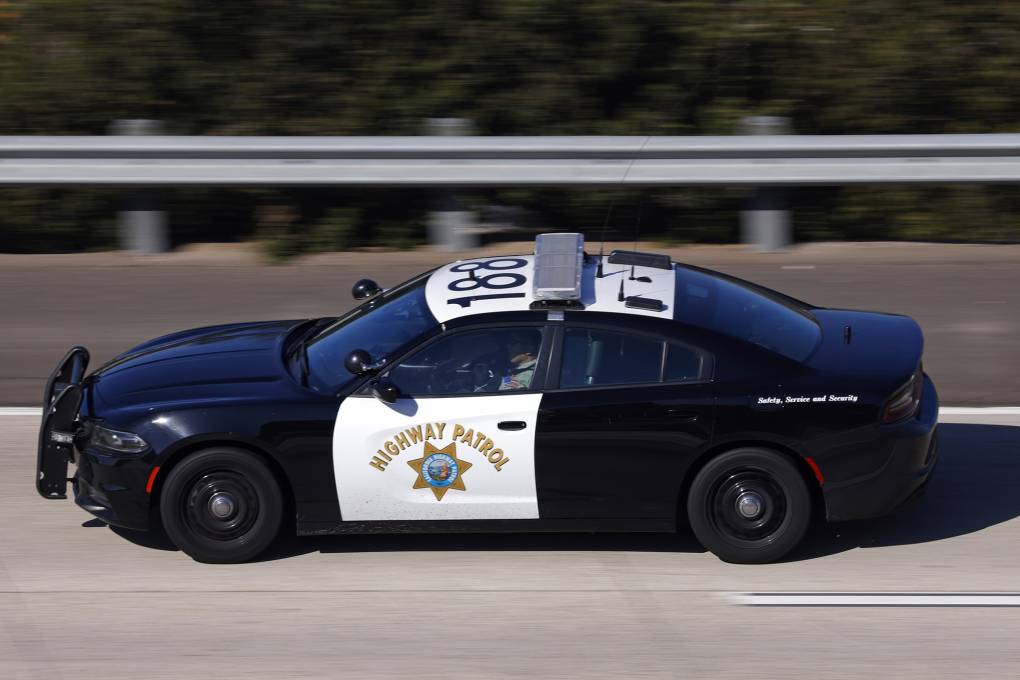
A California Highway Patrol officer drives on State Route 52 on Sept. 28, 2024. The Department of Justice tried unsuccessfully to quash a lawsuit from Nicholas La Motte on the basis of qualified immunity.
(Kevin Carter/Getty Images)
A California Highway Patrol officer and sergeant must pay $5 million to a Sonoma County man for violating his constitutional rights in an unlawful arrest, an Oakland federal jury decided Monday.
The jury found that CHP Officer Jayce Ray and Sgt. John Snider acted with “malice, recklessness, oppression or a conscious or reckless disregard” for the rights of Nicholas La Motte when they arrested him without probable cause in April 2023 for driving under the influence.
La Motte testified last week that around 1:30 a.m. on April 25, 2023, he was driving home from visiting his grandmother in San Francisco. While driving northbound on U.S. 101, he noticed he was being followed by a car — it was Ray in his cruiser.
Ray pulled him over, and La Motte began filming the encounter, footage that proved to key in his case against CHP.
Ray impounded La Motte’s Mercedes and arrested him, claiming he showed signs of intoxication, including red eyes. He then took La Motte to a nearby hospital to have his blood drawn. La Motte argued in his lawsuit that this violated his constitutional rights against unnecessary search and seizure because Ray lacked probable cause for the arrest.
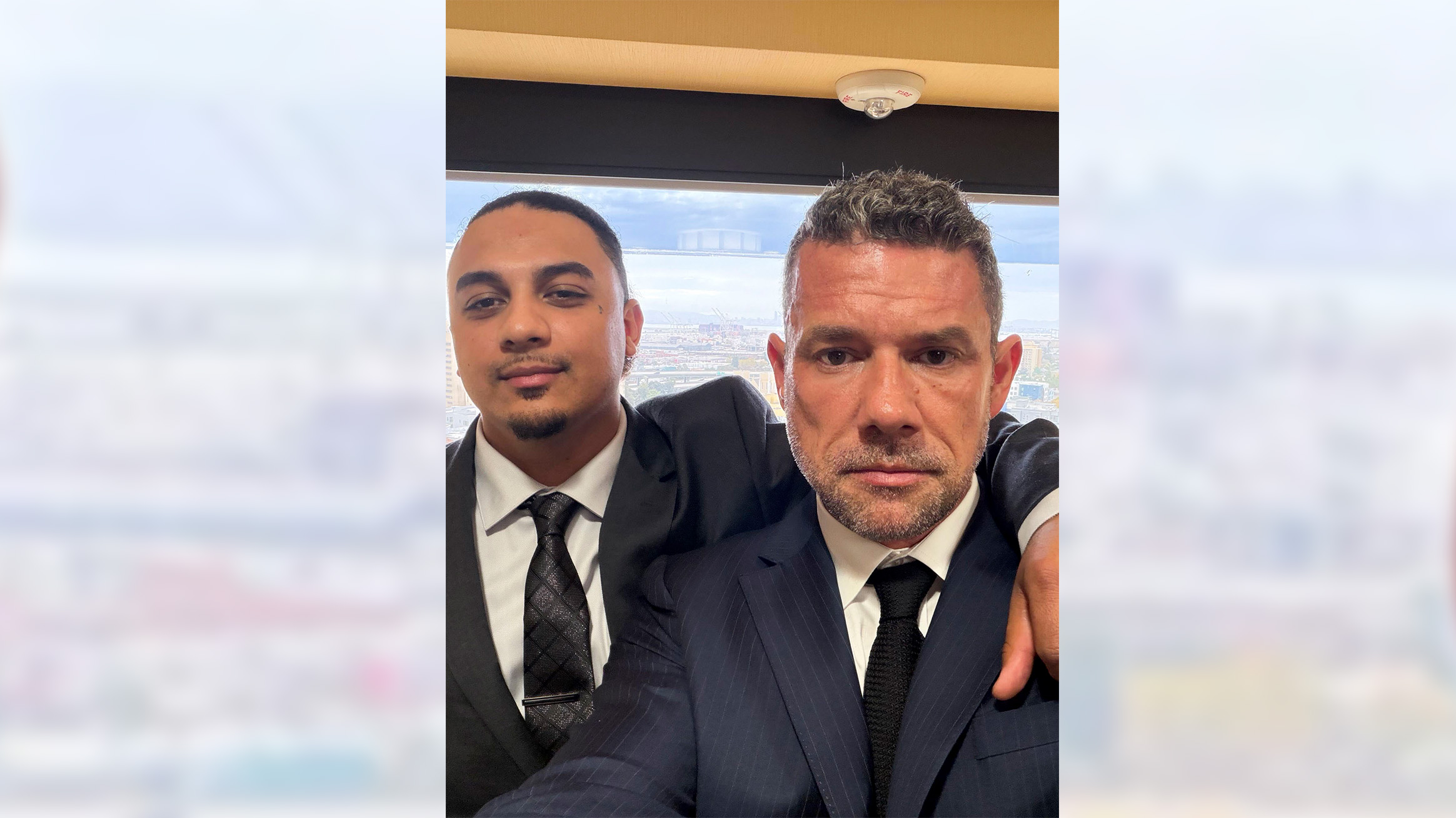 Sonoma County resident Nicholas La Motte (left) poses for a photo with his attorney, Izaak Schwaiger. A jury found LaMotte’s Fourth Amendment rights were violated during a 2023 unlawful arrest by two California Highway Patrol officers. (Courtesy of Nicholas La Motte)
CHP further justified La Motte’s arrest with a set of field sobriety tests that Snider administered at the Santa Rosa station.
Six months later, the Sonoma County District Attorney’s Office formally dropped charges against La Motte.
The jury’s verdict is significant because law enforcement and other government officials are generally protected from liability while on the job, under a legal framework known as qualified immunity. They lose that protection, however, if they violate someone’s rights while performing their duties.
That’s what the jury found happened here.
Izaak Schwaiger, La Motte’s attorney, said that, had his client not recorded the incident, there wouldn’t have been any evidence to combat the police’s version of events because CHP doesn’t require its officers to wear body cameras.
“I would say this is probably the 20th case that we received calls about, the CHP in and around the Sonoma County area making false arrests, but there was never any evidence,” Schwaiger said. “And what can you do when it’s the word of the individual against the word of the cops?”
Schwaiger said he took La Motte’s case because he was “waiting for the right one to come, where somebody had done something to preserve some kind of evidence, so that we could prove that this was going on, because it happens a lot.”
“But without proof,” the lawyer continued, “what can you do? Nick had that video, and the video showed that these cops were lying, and that’s what carried the case.”
Schwaiger said La Motte’s case was unique because it was simply about a wrongful arrest.
“The DA rejected this case because there wasn’t enough evidence that he had committed a crime,” Schwaiger said, adding that La Motte wasn’t prosecuted, nor held in jail for a significant time, nor physically beaten by the officers. “None of those things.”
“It was super important to Nick what happened. It profoundly affected his life, and he did a really good job of explaining that to the jury, such that when it came time to ask the jury for a verdict, we just said, ‘Do what you feel is right,’” Schwaiger said.
The jury’s verdict awarded La Motte $3 million in punitive damages — an amount for which Snider and Ray will not likely be personally liable, Schwaiger said — and $2 million in compensatory damages.
Schwaiger said La Motte called him Tuesday morning and said that he hoped people would hear about the verdict and take similar action, namely by safely filming interactions with police.
“This was the result of a yearslong process where a man, against all odds, decided to stand up for himself and refused to say that what happened was OK,” Schwaiger said. “There’s an important lesson there, and I think if more people do stand up for themselves, that’s how we really affect change.”