
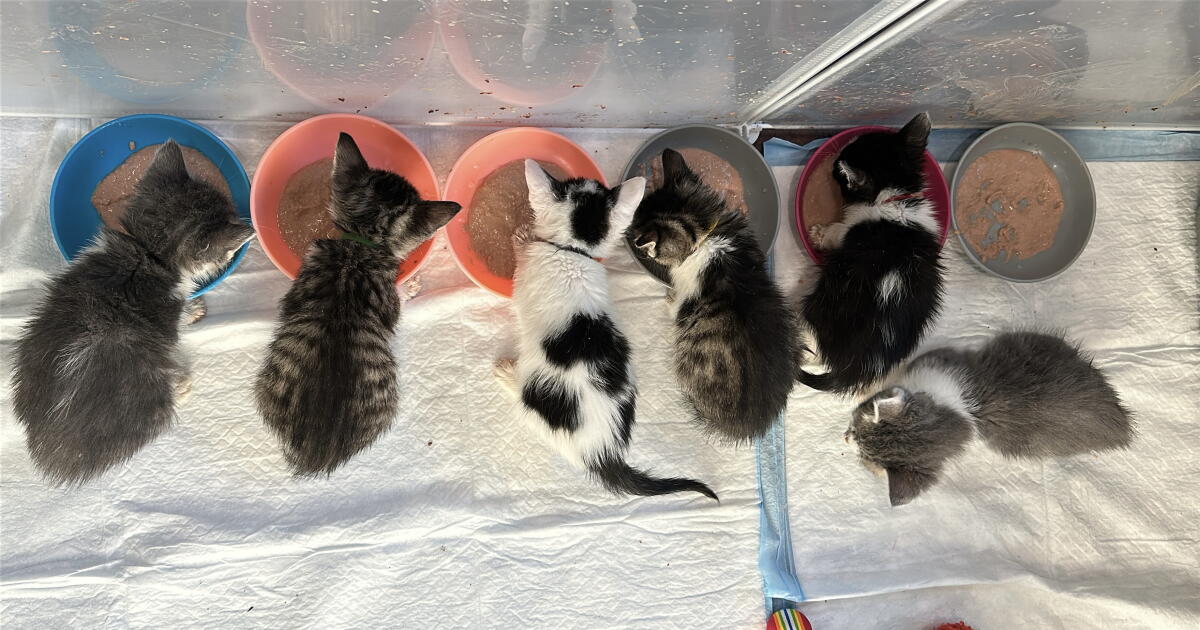
In Southern California, “kitten season” is a bit of a misnomer.
While it’s generally meant to describe the spring through fall months when cats reproduce more often, rescuers often see kittens coming in year-round because of our warm climate. And 2026 has been a busy year.
“This year we have more kittens earlier than normal. The weather plays a role in that,” said Shawnna Saldana, foster kitten coordinator at WAGS Pet Adoption animal shelter in Westminster, serving the cities of Westminster, Stanton, Seal Beach and Costa Mesa. “Shelters see an influx of kittens after warm weather because cats are seasonal breeders whose reproductive cycles are triggered by longer daylight and warmer temperatures.”
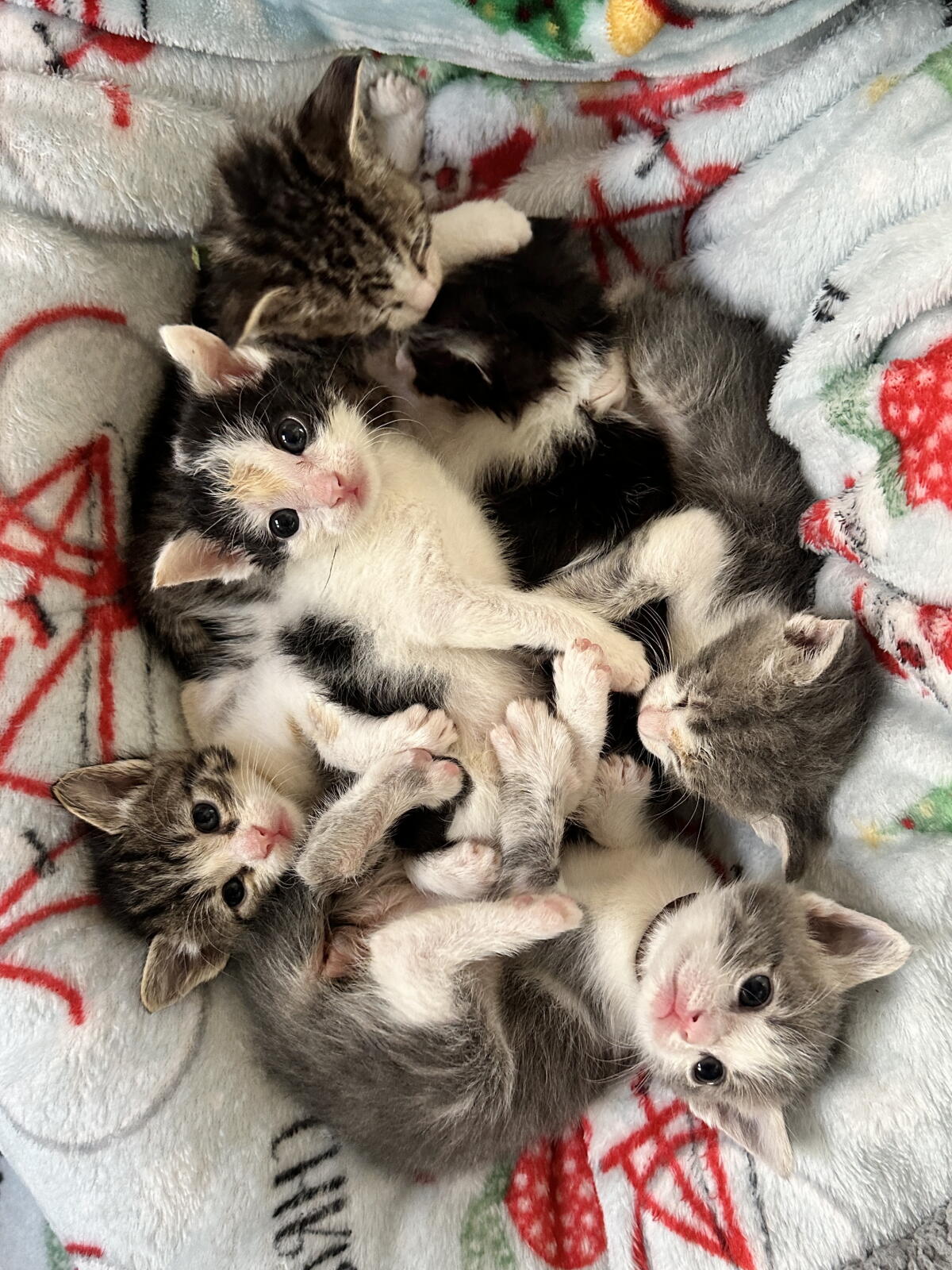
Kitten season is a busy time for WAGS Pet Adoption animal shelter in Westminster.
(Shawnna Saldana)
Saldana said that between the beginning of March and Aug. 11, WAGS cared for 1,273 kittens. Last year, that number was 1,144 during the same period.
She said that as each spring arrives, female cats go into heat more frequently — often every few weeks if not spayed — leading to a quick rise in pregnancies. With a gestation period of about 63 to 65 days in female cats, many of those spring pregnancies result in births during late spring and summer, creating the familiar “kitten season” surge.
“Warmer weather also improves survival rates for newborn kittens outdoors, meaning more litters successfully make it to a stage where they are found and brought into shelters,” she said. “At the same time, increased human outdoor activity during warmer months leads to more discoveries of stray or community cat litters. Combined, these factors create a seasonal wave of kittens that can quickly overwhelm shelter and foster resources.”
Deborah Felin-Magaldi, co-founder and board director of Helen Sanders CatPAWS, a nonprofit cat rescue based in Seal Beach, said that between March 1, 2025 and Aug. 13, 2025, the organization took in 118 cats, mostly kittens. In the same period this year, that number grew to 155 and Felin-Magaldi said her group was asked to take in hundreds more but doesn’t have the foster capacity.
‘Tiniest and most vulnerable’
“Not nearly as cute as it sounds, kitten season refers to the peak months in which cats are mating and kittens are born. In temperate [climates] like Southern California, that is sadly pretty much year round,” Felin-Magaldi said. “What it means to our organization is that we scramble for fosters able to take in the tiniest and most vulnerable lives — kittens not yet eating on their own. Because these newborn kittens need around-the-clock care, which most public shelters are unable to provide, their lives are typically ended there if they are not taken out of the shelter by foster caregivers or rescue organizations.”
She said during kitten season, their biggest challenge is finding fosters with experience handling newborns not yet eating on their own. The rescue does offer training to develop more “bottle feeders” — fosters who can feed very young kittens by bottle.
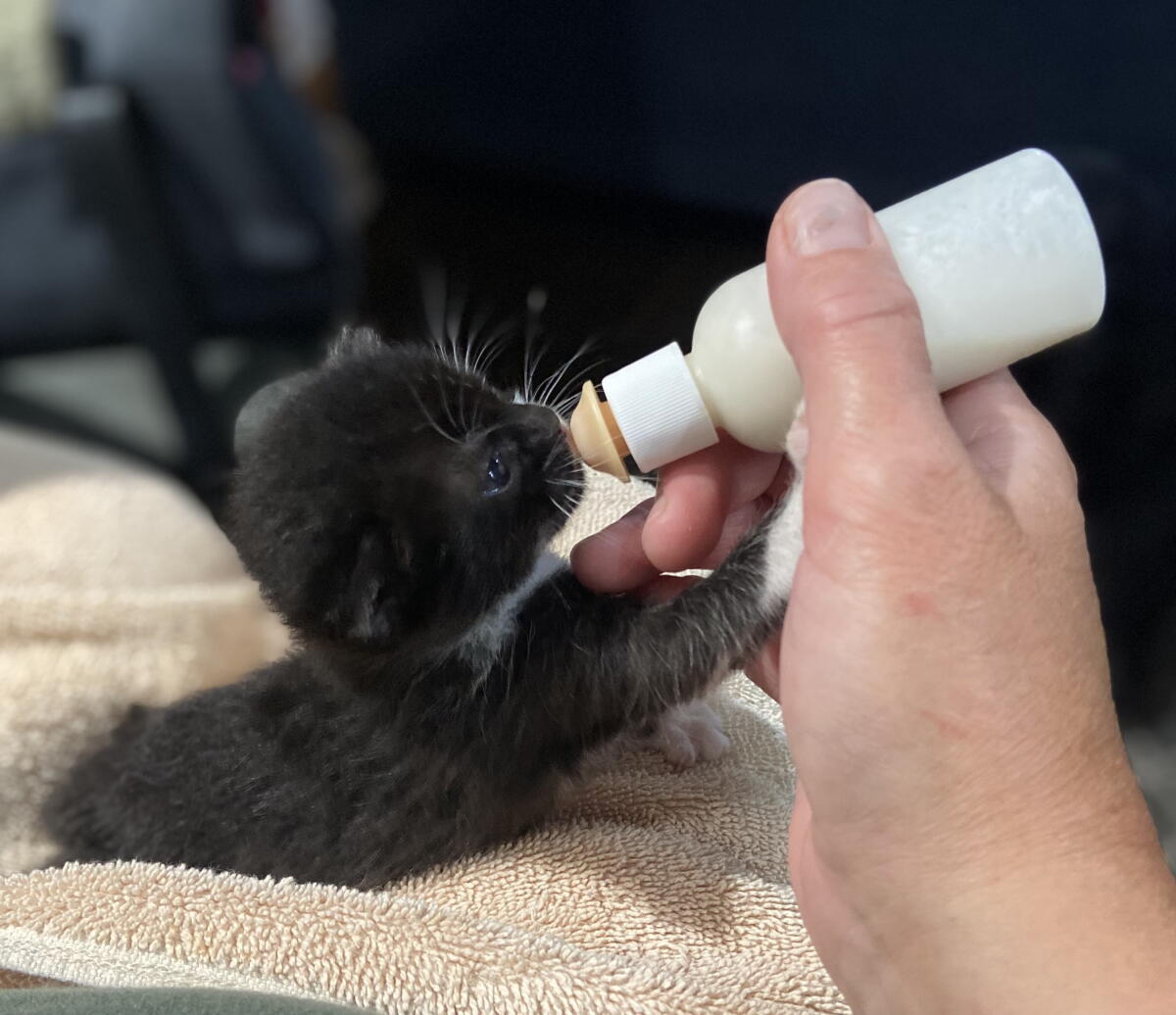
Newborn kittens, like this one at WAGS Pet Adoption, require constant care, including bottle feeding.
(Shawnna Saldana)
“But this population is so frail with so little room for error that we need people who have some experience to be able to immediately save those lives,” Felin-Magaldi said. “While we can use formula and some other supplies, our biggest need is financial, to be able to pay veterinary clinics for the care and medication we need to save lives.”
Denise Woodside, communications manager at OC Animal Care, said their shelter especially needs fosters and specific supplies during kitten season.
“Foster homes provide animals with individualized care, socialization and the opportunity to grow outside of the shelter environment,” Woodside said. “Every foster family helps create space for us to care for even more animals in need, while giving pets the extra support they need to succeed.”
OC Animal Care’s kitten foster program is most in need of kitten formula, bottles, non-clumping litter and food.
Saldana said that one of their biggest hurdles during kitten season is obtaining foster homes and donations to offset costs. It can cost more than $1,000 just to feed kittens each week. During peak kitten season, there are almost never enough foster volunteers to match the volume of kittens that enter their shelter.
“The demand rises sharply in a short window of time,” she said. “Because one foster home may only be able to safely manage a small number of kittens at a time, the need for homes quickly outpaces availability.”
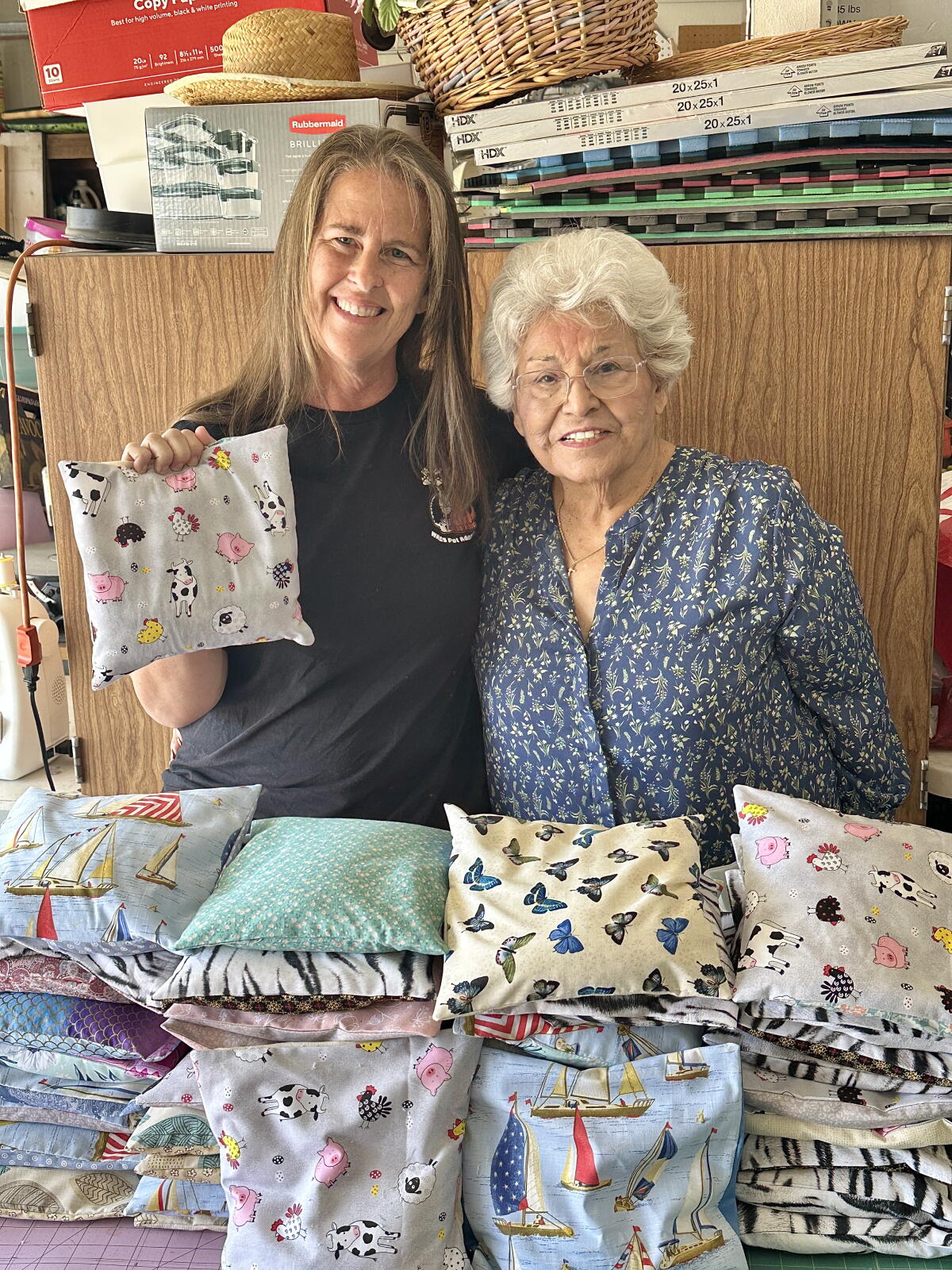
Shawnna Saldana and Genny Saldana pose with some of the completed kitten warming bags made by hand for WAGS Pet Adoption.
(Courtesy of Shawnna Saldana)
But supplies also help. She said last year, a volunteer donated reusable rice heating bags during kitten season to help keep very young felines warm — and the bags quickly became an invaluable resource. Caring for neonatal kittens, typically newborns to about 3 to 4 weeks old, in both shelters and foster homes is intensive and requires around-the-clock attention. These kittens are often unable to regulate their own body temperature, eliminate waste without stimulation or eat solid food, so survival depends on immediate and consistent human care.
“With hundreds of kittens coming through our shelter and heading into foster homes, keeping them warm is essential,” Saldana said. “Commercial heating discs can be expensive, making these rice bags a practical and cost-effective alternative. Needless to say, we used every single one.”
This year, the shelter needed more. Saldana asked her mother-in-law, Genny Saldana, who is a quilter at the Sts. Simon & Jude Quilting Guild in Huntington Beach. In less than a week, the group made 75 rice heating bags by hand for the shelter’s foster kittens.
Genny said they made the rice bags out of terry cloth, stuffed them and then made pillow cases so that they could be washed. Everything was 100% cotton, including the thread, so they would be microwaveable in order to offer kittens warmth.
“I know everyone works really hard over there and they’re always in need of something since they’re a small shelter that has many animals in need,” Genny said. “We didn’t hesitate to help.”
For more information about the agencies mentioned in this story, visit wagspetadoption.org. animalcare.oc.gov, and helensanderscatpaws.com.