
Students have a number of resources to help them stay safe while walking around Pitt’s campus and Oakland at night.
Early last month, a woman was allegedly raped and robbed after leaving a South Side bar, while other recent reports have highlighted concerns about harassment and sexual violence in the city. With the 2026 fall term underway, Pitt officials and upperclassmen are encouraging students to plan ahead, utilize proactive maneuvers and know how to access safety resources if they feel unsafe.
Unlike students at more isolated college campuses, many Pitt students regularly move between campus, residential neighborhoods, businesses and other parts of Pittsburgh, adding another factor to safety considerations.
Mariyah Abdul Rahman, a junior geology major who lives in South Oakland, said she shares her location with several friends and communicates where she is going and how long she expects to be gone.
Originally from Frederick, Maryland, Abdul Rahman said she was used to being able to walk around her community without thinking as much about her surroundings. Moving to Pittsburgh meant becoming more vigilant when walking around the city.
“At home, I felt like I could walk anywhere without having to be aware of where I was going,” Abdul Rahman said. “In Pittsburgh and at Pitt, you have to be a little bit more aware of your surroundings.”
That awareness does not have to mean avoiding going out altogether, according to Abdul Rahman.
“Being anxious is good, but don’t be overly anxious and scared to the point of not doing things,” Abdul Rahman said.
University spokesperson Meredith Herndon emphasized students should discuss their plans before going out, including where they are going, how long they plan to stay and how they will get home.
“Plan to stay together and look out for one another,” Herndon said. “Try to stay in busier, well-lit areas on the walk home, even if it takes a little longer.”
For students who do end up walking alone, Pitt offers several options for getting home safely, according to Herndon.
The University’s SafeRider service provides complimentary transportation from 9 p.m. to 3 a.m. Pitt also offers a Walking Escort Program, where a security officer can accompany students, faculty and staff with a valid Pitt ID from the Hillman Library or William Pitt Union to certain walkable locations during the evening and night.
Annabelle Bunce, a sophomore secondary education major, lives on upper campus. Bunce said she tries to avoid situations where she could possibly be in harm’s way.
“I always say to not walk alone, always walk with a friend, and also just keep your head on a swivel,” Bunce said. “Situational awareness is really important.”
Bunce said she often feels safe around Pitt, though it is important to use additional caution when walking through South Oakland and near fraternity houses at night. She emphasised that new students should feel comfortable using the safety resources provided through the University.
“If you have to walk by yourself or you start to feel a little bit unsettled, you can always use SafeRider,” Bunce said. “I’ve used that before. It’s there for a reason.”
Bunce said students can also learn from each other as they adjust to living in Pittsburgh.
“Talk to the people around you, especially upperclassmen, and see what’s worked for them,” Bunce said.
Kayla Ahern, a sophomore education major, lives in the on-campus residence Ruskin Hall and said first-years building a network around themselves of people they trust and look after is important.
“Use discernment, be safe and rely on those close to you,” Ahern said.
That support system can also help students recognize when a situation is becoming uncomfortable, according to Ahern.
“It’s important to be smart,” Ahern said. “If you’re interacting with somebody and you do feel uncomfortable in that interaction, trust your gut and get yourself out of there.”
Ahern said students going out in larger groups should make sure someone is paying attention to what is happening around them.
“Especially with a big group of girls, make sure that somebody is able to discern situations to make sure that you all are being safe,” Ahern said.
For students who do find themselves in an unsafe situation, Herndon said it is important to act quickly and get somewhere populated. Students who believe they are being followed can enter a restaurant, residence hall or another populated location and ask someone for help.
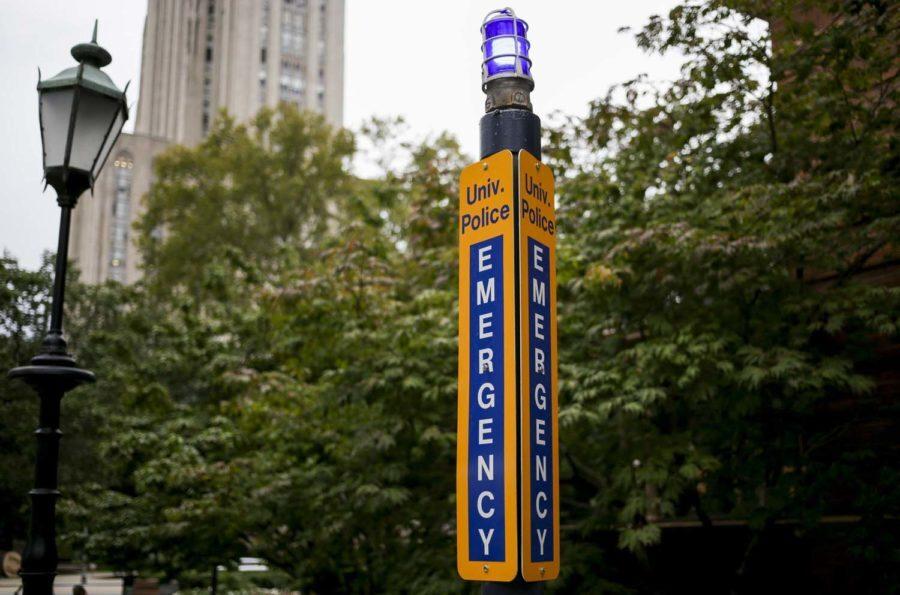
Herndon also recommended that Pitt students download the PittSAFE app to contact Pitt Police and access features such as Mobile Blue Light, Friend Walk and Virtual Walkhome. On campus, Herndon said students also have the ability to activate a physical Emergency Blue Light, while off-campus emergencies should be reported by calling 911. Pitt Police can be reached at 412-624-2121.
Herndon emphasized that students who experience an incident should not blame themselves.
“A survivor or victim is never to blame for what happened to them,” said Herndon.
Herndon said students who experience or witness an incident can report it through Pitt Police or the Pitt Concern Connection.
“Always trust your instincts, and if you see something, say something, and do something,” said Herndon.
The University also offers support through the University Counseling Center, Care Advocates, Pittsburgh Action Against Rape and other community organizations, according to Herndon.
Abdul Rahman said knowing what resources are available is ultimately part of feeling comfortable navigating Pittsburgh.
“There’s so many safety measures that exist on campus,” Abdul Rahman said. “Just be aware of those safety measures that exist for you and know how to use them if you need to.”