
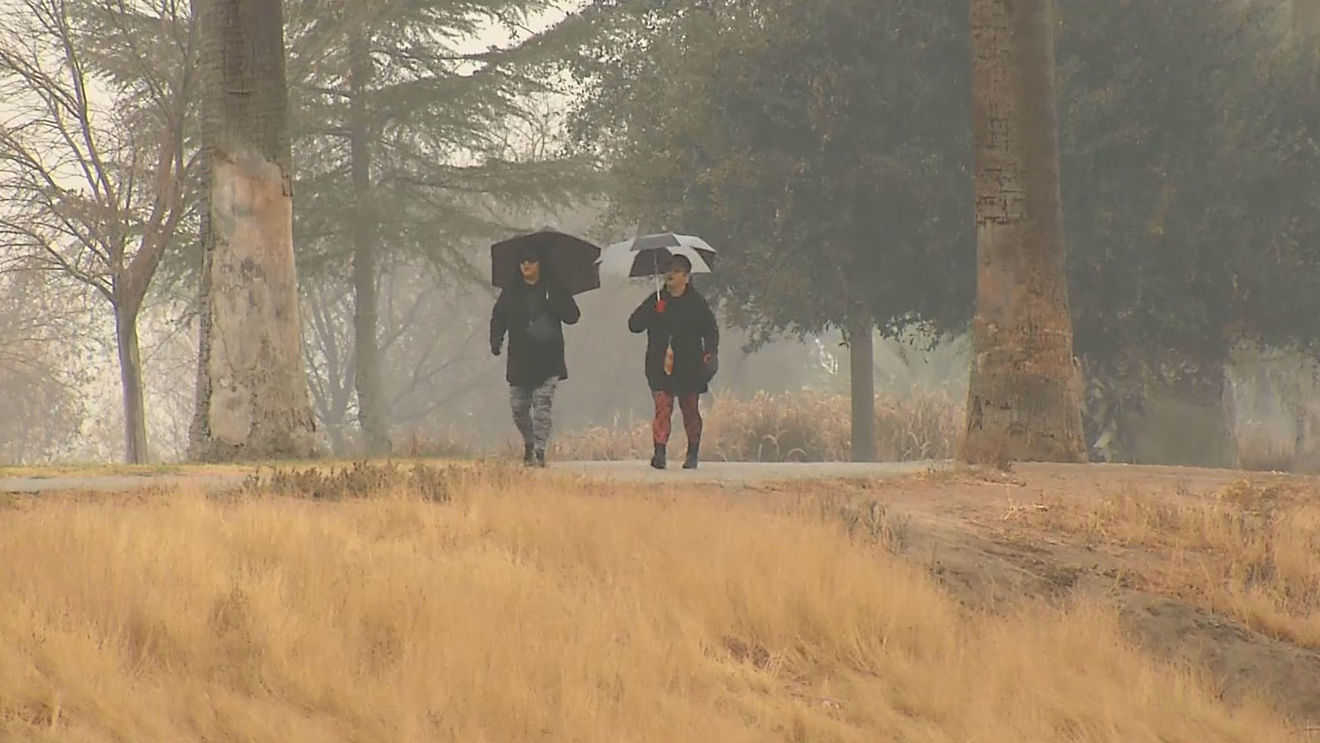
BAKERSFIELD, Calif. (KBAK/KBFX) — As September marks National Preparedness Month, local emergency officials are urging Kern County residents to prepare now for severe weather that could impact the area during the upcoming winter season.
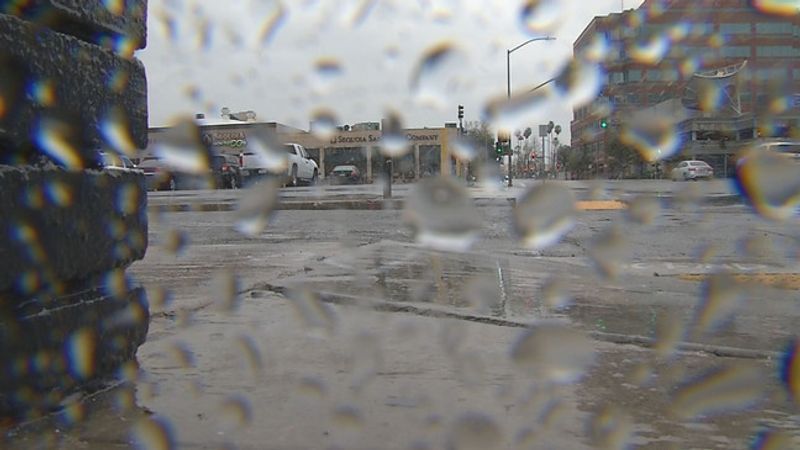
Rain in Bakersfield KBAK/KBFX
The reminder comes after Hurricane Marie brought rain and other impacts to Southern California over Labor Day weekend. Although the hurricane remained well offshore, moisture associated with the system brought widespread rain to parts of Southern California.
While Bakersfield did not experience the same impacts, rain was seen in some of Kern County’s mountain and desert communities.
Meteorologist Ilya Neyman says a strong El Niño could increase the potential for precipitation and more frequent storms this winter.
“It could potentially give us a higher chance of higher precipitation. More frequent storms may be more significant impact area wide, particularly in California and obviously that includes us here in Kern County,” Neyman said.
Kern County Fire Department preparing for severe weather
Jeremy Ruiz, an engineer and public information officer with KCFD, said the department can increase staffing when significant weather impacts the county.
“We’re always prepared to respond. But during these severe weather events, we do have more personnel that we can upstaff those impacted areas and make sure that we are providing those lifesaving responses or emergency responses,” Ruiz said.
KCFD also encourages residents to understand the potential hazards around where they live. Ruiz said some mountain communities and areas near waterways can experience greater impacts during significant rainfall. Areas affected by previous wildfires can also be vulnerable when storms move through.
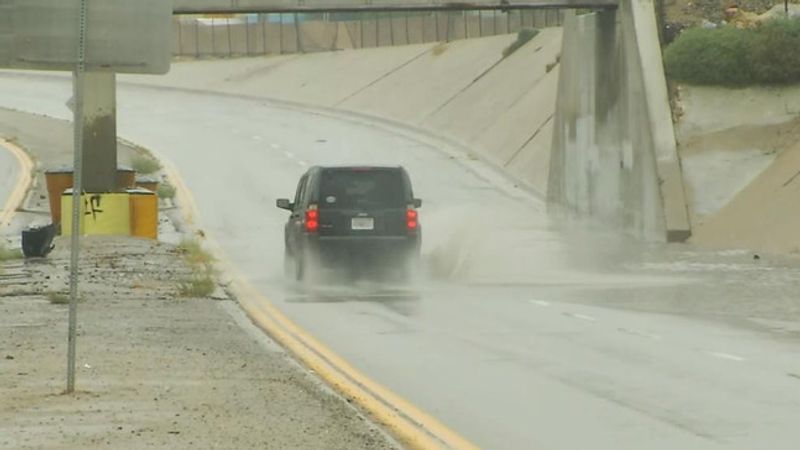
FILE – Bakersfield underpass flooded (KBAK/KBFX)
For homeowners who live near drainage systems, culverts, streams or ravines, Ruiz recommends checking those areas before storms arrive and making sure water has a clear path to move through the property.
“If you have a drainage system near your house or a culvert, if there’s something that passes through your property, like a small stream, making sure that area is cleared, and there’s not gonna be a way for water to get built up, and then cause erosion,” Ruiz said.
But preparing the property is only one part of being ready.
“Have your house prepared, prepare a go bag, and then have an evacuation plan,” Ruiz said.
What should be in an emergency kit?
The American Red Cross recommends families have enough essential supplies available to sustain themselves if an emergency prevents them from leaving home or accessing everyday necessities.
Cindy Huge, public information officer for the Kern chapter of the American Red Cross, recommends having at least three days of supplies ready.
“In an emergency kit at home, you should have three days’ worth of supplies. That’s one gallon of water per person per day. You should have food in there,” Huge said.
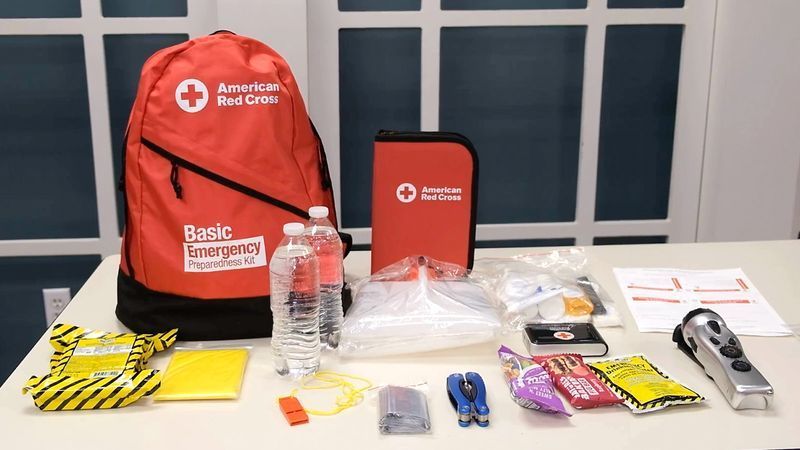
Putting together a “go bag” for your home or car can help keep you prepared for emergencies at any time. Having a go bag means you’re ready to leave quickly if disaster strikes, whether that emergency happens at home or while you’re on the road. (Image courtesy American Red Cross)
Huge also recommends keeping medications, blankets and other necessities in an emergency kit. Residents should consider the individual needs of everyone in the household, including pets.
“Please don’t forget your pets. That is really important to have a leash in the car, some food, a bowl that they can have water, ’cause most of the time your pets are traveling with you,” Huge said.
For those who rely on prescription medications, Huge recommends having several days of medication available when possible. She also suggested taking pictures of medication bottles in case someone becomes separated from their medication during an emergency.
Document what you have before disaster strikes
Preparing for an emergency can also mean documenting important information before it is needed.
Huge recommends residents take pictures of important documents, including birth certificates, passports and insurance information. She also recommends using a phone to record belongings throughout the home.
“Now, in your home, get your phone out and video your home,” Huge said. “Video your TV on, video your washer and dryer on, video anything electronic, because if the home is lost due to a storm or an earthquake, you would be able to show any type of insurance company, this is what I had in my home.”
Huge said those records can become especially important following a disaster, when people may have difficulty remembering important account or policy information.
She also recommends keeping a written list of family members’ phone numbers and identifying a contact who lives outside the 661 area code. If local phone lines become overwhelmed during a widespread emergency, family members could use that person as a common point of contact.
Don’t forget to prepare your vehicle
Winter preparation should extend beyond the home.
Huge recommends making sure vehicles are in good working condition, including checking fluids and windshield wipers. She also recommends keeping at least half a tank of gas available — and considering a full tank when traveling over the Grapevine.
“If you’re driving, make sure your car is in good shape, all the fluids are okay, your windshield wipers are working well, because sometimes they’re not, because we have so much sun here,” Huge said.
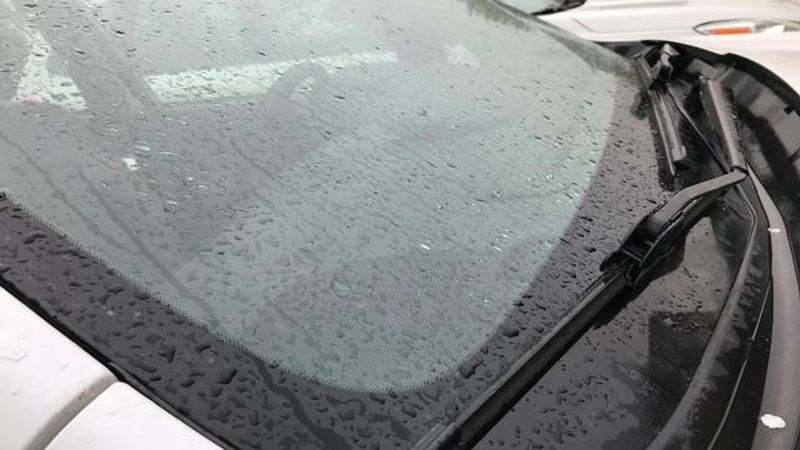
Rain is seen on a vehicle in the Eyewitness News parking lot in Bakersfield, Calif., Wednesday, Feb. 13, 2019. (KBAK/KBFX photo)
Drivers should also consider keeping food, water, blankets and a portable phone charger in their vehicles.
The precautions can become particularly important when traveling through higher elevations. Huge noted that conditions can change during winter travel, including the possibility of encountering snow around the Grapevine.
“Just be careful about where you’re driving. Make sure you check road conditions,” Huge said. “You could be driving up north, and all of a sudden, you hit snow.”
Ruiz also warns drivers not to attempt to cross a roadway when moving water makes it difficult to see the road underneath.
“If there’s any sort of moving water across the roadway or impacting the roadway so that you can’t see, do not drive through that flooded area because that could cause you to get stuck or swept away because you don’t know what that road looks like underneath that much,” Ruiz said.
Prepare before you have to leave
KCFD encourages residents to know whether their neighborhood or normal travel routes could be affected by severe weather and to identify alternate routes ahead of time.
Kern County’s ReadyKern emergency notification system can send residents information about emergencies including severe weather, floods and evacuations.
If forecasts indicate a significant storm could impact an area that has experienced problems in the past, Ruiz said residents should consider leaving before conditions deteriorate.
“If you can prepare ahead of time, you know there’s gonna be a large storm coming through, you’re in an area that’s often impacted, you can leave early, and then you’re gonna avoid that incident altogether,” Ruiz said.
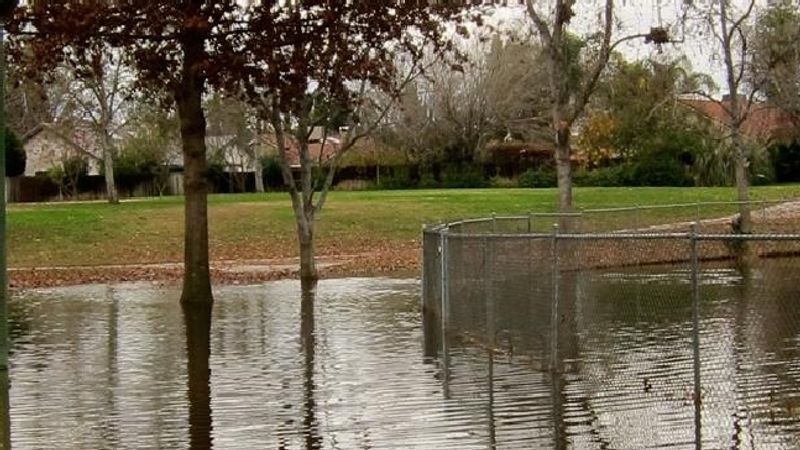
101221_kern_county_floods-4.jpg_BIM.jpg
Ultimately, he said protecting yourself and your family should take priority over protecting belongings.
“Life is always more valuable than property,” Ruiz said.
The Red Cross says getting started does not have to be complicated. Huge encourages families who have not yet prepared to take a few minutes to begin gathering supplies and developing a plan.
“Just make sure that you’re prepared, and take today, take a few minutes, gather a few things,” Huge said.