
The Berkeley City Council will vote on a resolution Sep. 15 to reinstate the police department’s ability to use tear gas only for “critical life-threatening incidents.” The decision has faced ongoing controversy and criticism from community members and local organizations.
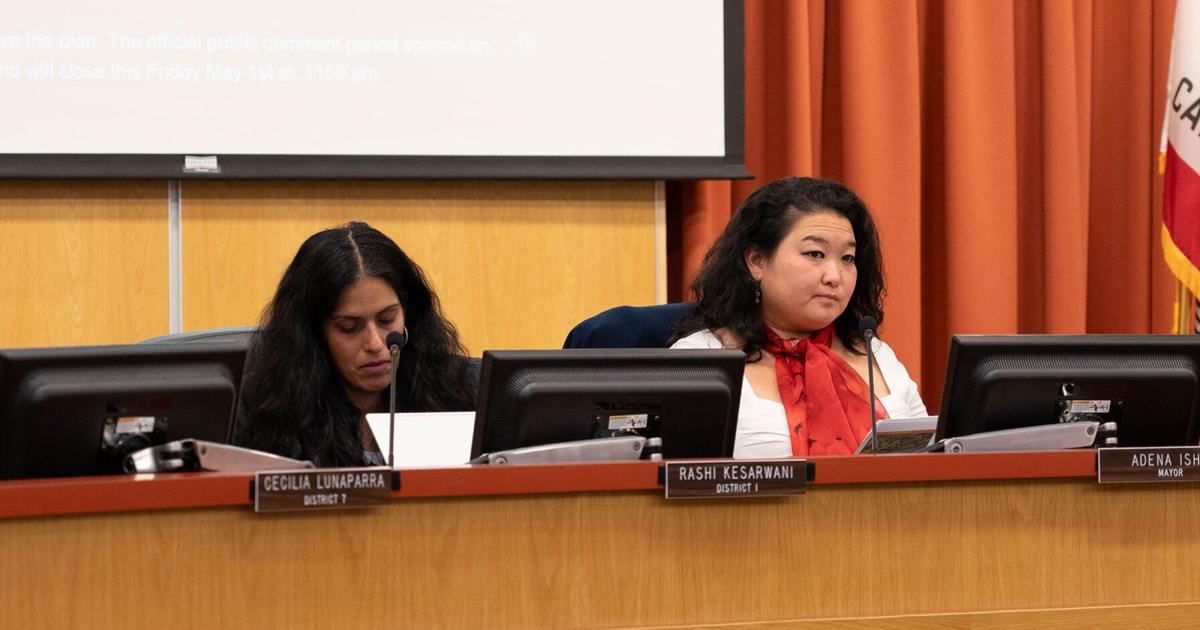
District 1 Councilmember Rashi Kesarwani authored the tear gas resolution. The proposal for a tear gas ban faced a vote by the Public Safety Policy Committee, which Kesarwani serves on, in February. It later came to a canceled council vote this summer.
Indeed, the City Council ultimately delayed the vote until September due to a packed agenda in July.
At the meeting where they were originally scheduled to vote on Kesarwani’s item, the city also passed an item easing restrictions on the use of K-9 units and helicopters for police officers.
“I know this issue matters deeply to many people, and I’m approaching it with care, especially given the potential impact on the residents who may be the most affected,” said Mayor Adena Ishii in an email.
Ishii did not comment on how she would vote, adding that she takes time to review submitted supplemental documents “fully” before deciding.
However, in a previous statement to The Daily Californian in July, Ishii stated that she supports keeping the tear gas ban in place. “I believe (the Berkeley Police Department) can keep our community safe using other less-lethal methods,” Ishii shared.
A resolution by the city’s Peace and Justice Commission is also due to be discussed at the Sept. 15 meeting. Its item asks the council to consider the social justice implications of reinstating the use of chemical agents and other tools for law enforcement.
While the tear gas item explicitly prohibits the use of the weapon for crowd control, the Peace and Justice Commission alleged in the written text for its resolution that “once a weapon is acquired and approved for limited use, it is almost inevitable that it will be used for out-of-policy use.”
“The Peace and Justice Commission has raised important concerns about oleoresin capsicum spray, pepper spray and helicopters that deserve careful consideration,” Ishii said in the email.
The Commission alleges in the resolution that the policy could have serious implications for individuals with preexisting health conditions and cites that pepper spray and tear gas have historically been used disproportionately against racial minorities.
“Given the prevalence of Long COVID, Berkeley’s rapidly aging population, the large number of environmentally sensitive residents, and the city’s legacy as the birthplace of disability rights, it is neither sensitive nor appropriate for the proposal to state that the emergency is over and the health conditions that necessitated the moratorium are no longer present,” the Peace and Justice Commission resolution outlines.