
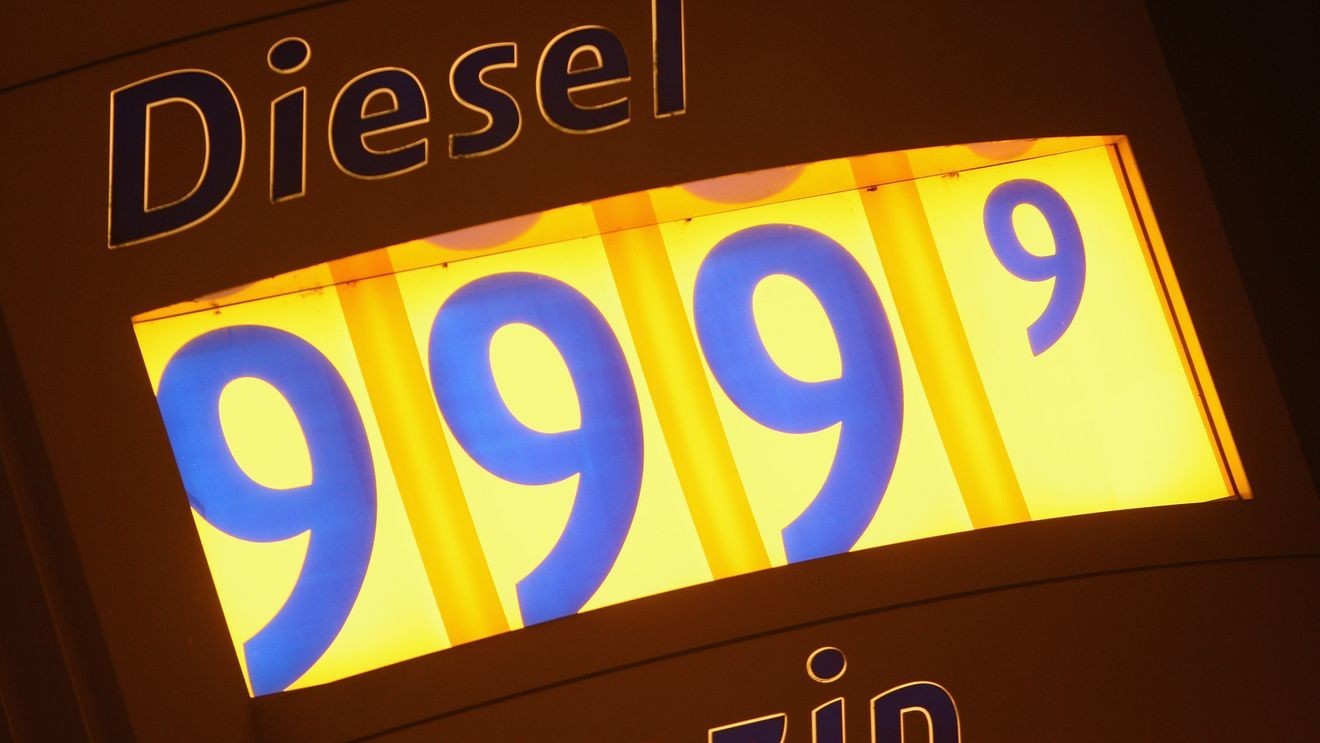
Calif. (TNND) — California drivers are staring down diesel prices so high that some pumps may not be able to show them.
GasBuddy petroleum analyst Patrick De Haan said five diesel pumps in California displayed $9.999 per gallon, the highest price their hardware can show. The report is based on GasBuddy’s crowdsourced, real-time data. The stations and cities were not identified, and the count had not been independently confirmed.
California’s average diesel price was $7.76 per gallon as of Sept. 9, according to the U.S. Energy Information Administration. That was up 55 cents from a week earlier and $2.81 from a year earlier. AAA put California’s diesel average at $7.87 per gallon the same day.
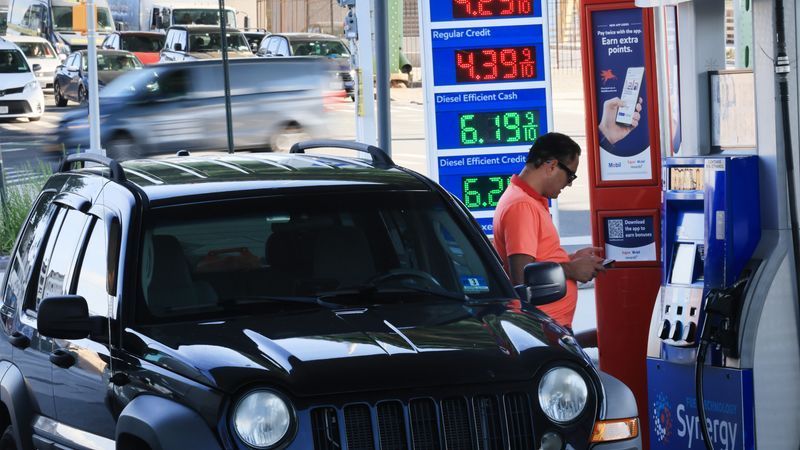
NEW YORK, NEW YORK – SEPTEMBER 04: Gas prices are displayed at a Brooklyn gas station on September 04, 2026, in New York City. As millions of Americans take to the road for Labor Day weekend, gas prices continue to rise. According to AAA, the New York state average is $4.26 a gallon, and the national average is $4.13, both among the most expensive on record. (Photo by Spencer Platt/Getty Images)
Nationally, diesel also hit a new high. The nationwide average diesel price reached a record $5.97 per gallon, topping the previous $5.81 record set in June 2022. EIA said the national diesel price was up 3.7 cents week over week and $1.97 year over year.
De Haan had warned California diesel could top $8 a gallon and that some pumps may not be built to display prices approaching $10.
Recent reports have highlighted extreme prices at individual stations. In March, a Chevron station in Fenner, California, reportedly charged $9.69 for a gallon of regular gas. In May, a downtown Los Angeles Chevron reportedly charged $8.89 per gallon for diesel and $8.29 for regular gasoline.
California regulators have opened an active investigation into outlier fuel pricing in the Los Angeles and San Bernardino areas, though officials have said no allegations have been proven. The state agency subpoenaed data from California’s five major refiners under the state’s price-gouging law.
Supply pressures are also in focus. U.S. refineries were operating at about 98% capacity, while disruptions involving the Strait of Hormuz, Russian refinery attacks and lower Chinese refinery output have pressured diesel supplies.
Higher diesel costs can ripple beyond the pump, raising transportation expenses and eventually affecting prices for food and other goods moved by truck.