
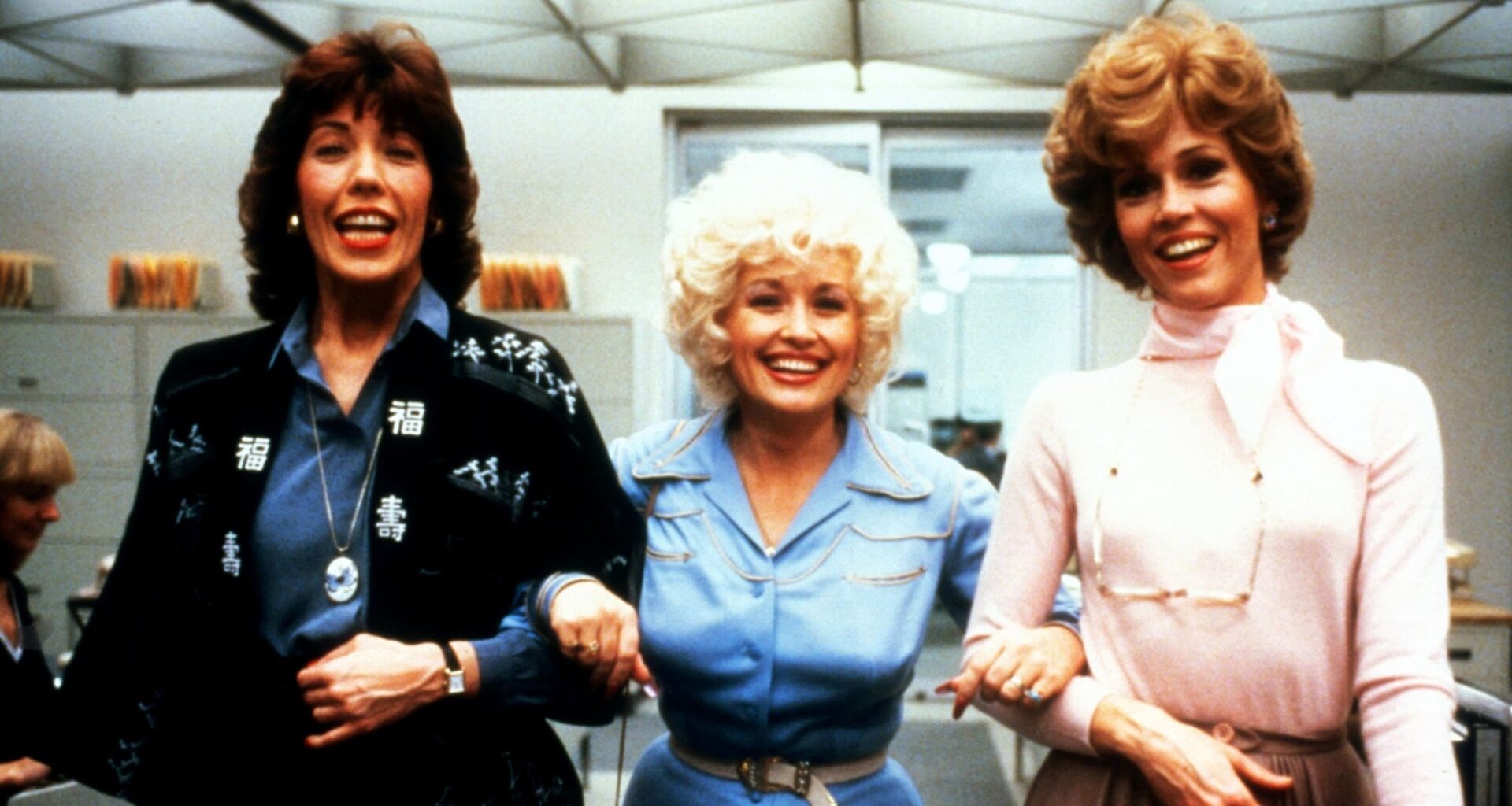
In December 1980, the movie “9 to 5,” starring Dolly Parton, Jane Fonda, Lily Tomlin and Dabney Coleman, was released. It grossed over $100 million, using comedy to deliver a serious message about how women were treated in the workplace. They were underpaid, overlooked, passed over for promotions and subjected to harassment that they couldn’t complain about publicly.
The year before the movie came out, I wrote an article for the Los Angeles Times headlined “Fewer want to be just a secretary.” Employers across the country reported they were having a hard time finding secretaries because the women’s movement had created new opportunities, and many secretaries believed they were underpaid and underappreciated. Women no longer wanted to type up the memos of powerful men. They wanted to wield the power themselves.
When I watched the documentary “Still Working 9 to 5,” I saw my 1979 article flash across the screen. The documentary explores the making of the movie and the environment in which it was made, including the fight to ratify the Equal Rights Amendment. In 1980, one in three working women held a clerical job. In 1973, a grassroots organization of office workers, called 9to5, had formed to demand “raises, rights and respect” — equal pay, child care and an end to sexual harassment. Jane Fonda got the idea to make the movie from that effort.
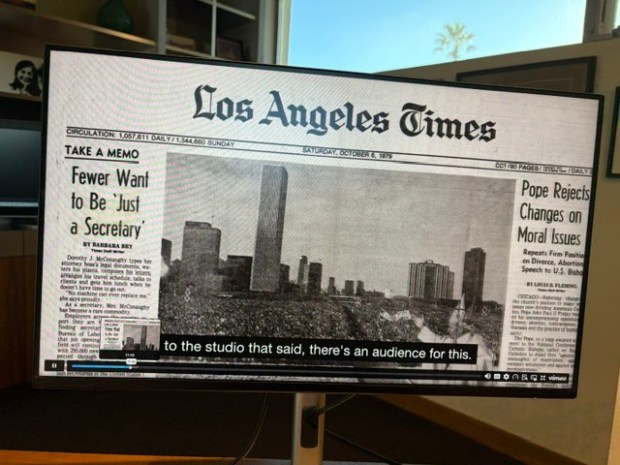 A photo of a screen grab of The Los Angeles Times that featured an article – “Fewer want to be just a secretary” – by Barbara Bry in 1979. (Barbara Bry)
As you get older, you find yourself looking back at what you did and asking: Does it still matter? Is it still relevant? After I watched the documentary, I looked back. The ERA didn’t get the required votes when its deadline expired in 1982. The Clarence Thomas-Anita Hill hearings in 1991 finally forced sexual harassment into the spotlight, and 1992 was the “Year of the Woman” in Congress. Lilly Ledbetter fought her equal-pay case all the way to a federal law bearing her name in 2009. The #MeToo movement went viral in 2017 and spread around the world. Virginia became the 38th state to ratify the ERA in 2020 — the number needed — though the amendment is not the law because of the expired deadline. And the gender pay gap? It still exists. As Dolly Parton says in the documentary, we still have a long way to go.
I confronted both equal pay and sexual harassment issues early in my career, and those experiences are a major reason I co-founded two organizations to empower women: Run Women Run, which recruits, trains and supports qualified women seeking elected and appointed office, and Athena STEM, which advances women in San Diego’s innovation economy. In both cases, we never wanted special treatment. We only wanted a level playing field.
The question today is the one the documentary poses: Are these issues still relevant?
That’s why I’m excited that Point Loma Nazarene University has chosen “Still Working 9 to 5” to open its Illuminate Speaker & Engagement Series on Wednesday at 6 p.m. The evening, titled “Stories, Work and the Way Forward,” will show clips from the documentary followed by a panel discussion. I’ll be joined on the panel by Venessa Jackson, a retired executive assistant and banker, and Taylor Dunne Woof, program director with Capitol Impact. They will share their experiences in the workplace, along with Camille Hardman, the documentary’s producer. Lindsey Lupo, dean of PLNU’s School of Humanities, Arts and Public Engagement, will moderate.
What I like about PLNU’s program is that it isn’t asking anyone to endorse a particular position. The series, free for students and the wider community, seeks to build understanding before judgment, to move beyond reaction toward reflection, and to recognize the humanity behind deeply held convictions. Those are skills we could use more of at every age.
So, does what did I during my life to empower women make a difference? Hopefully, the work of our earlier chapters becomes the foundation for the next generation.
Forty-seven years after I wrote that fewer women wanted to be “just a secretary,” I’ll sit on a stage with women a generation or two younger than I am and compare notes, and I’ll hear from students about their experiences and expectations. My hope is that when they gather to watch this documentary 40 years from now, the questions it asks will finally be history.
I love getting your suggestions. Please email your column ideas to me at bbry@blackbirdv.com.