
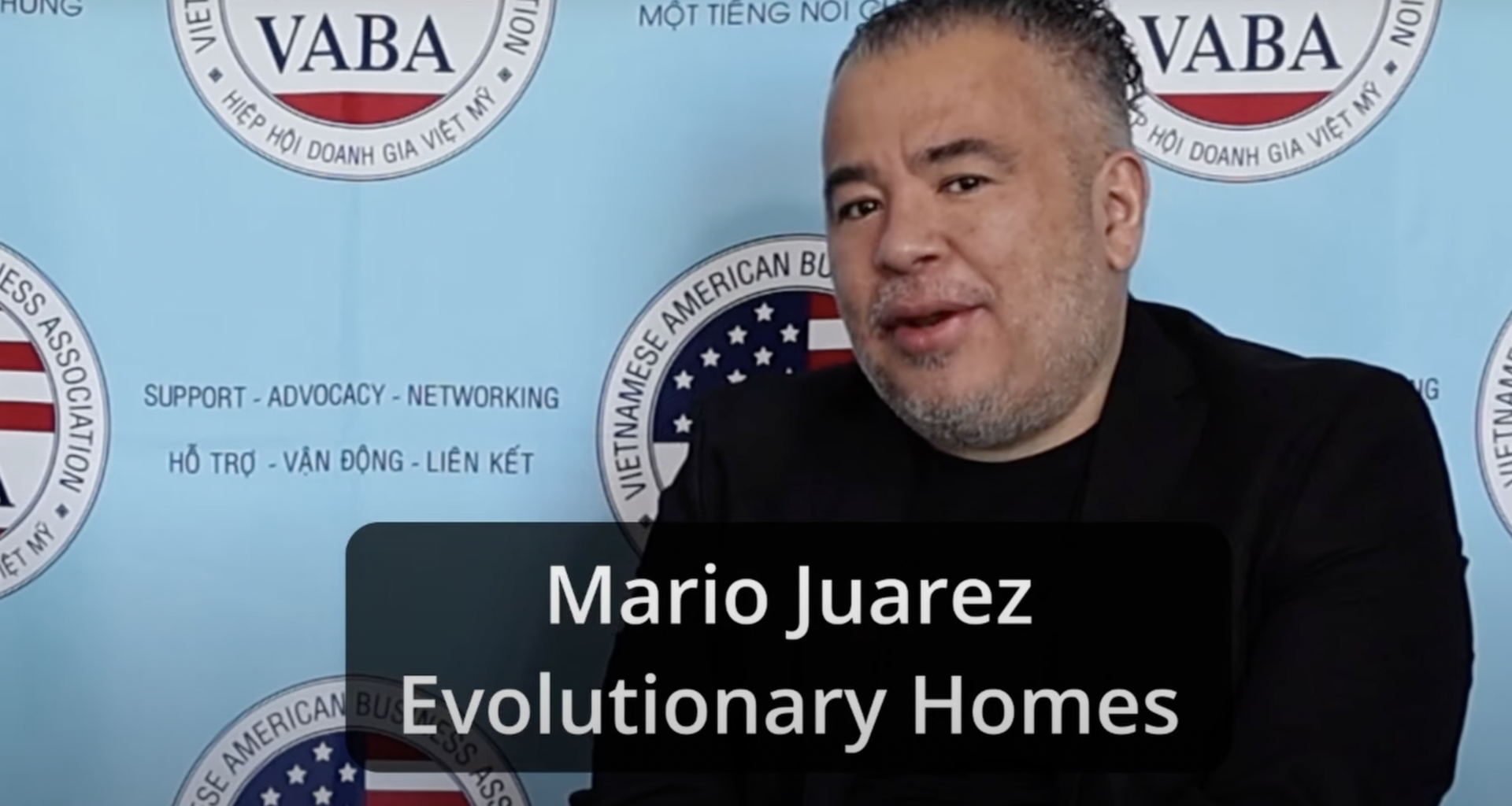
As the corruption trial of former Mayor Sheng Thao nears, prosecutors and defense attorneys are waging a last-minute fight over what jurors will get to hear about the background of a key witness: Mario Juarez.
On Monday, attorneys for David Duong, the head of California Waste Solutions who is accused of bribing Thao, asked a federal judge to let them cross-examine Juarez about his lengthy and contentious legal history.
They also hinted that they have more details about Juarez’s alleged misconduct that they want to show the court under seal.
Duong’s attorneys, Edward Swanson and August Gugelmann, argue that much of the evidence of the alleged bribery scheme was generated by Juarez, and the question of whether Duong or the other defendants were told of the alleged scheme hinges on Juarez’s testimony. This means that jurors will basically have to decide whether or not they trust what Juarez is telling them to make a decision on the guilt or innocence of Thao, Duong, his son Andy Duong, and Thao’s former romantic partner Andre Jones.
“As a result, the issue of Juarez’s credibility will be front and center at trial,” the attorneys wrote in their motion.
Federal prosecutors appear to be aware that Juarez’s past could be a problem in front of a jury, and they have argued that the court should limit the defendants’ ability to ask him questions about his past. In a motion filed on Monday, prosecutors argued that the defendants are trying to turn Juarez’s anticipated cross-examination “into a series of mini-trials” and introduce evidence from decades-old events.
Juarez became an FBI informant after a falling out with the Duongs
The trial, which starts Oct. 13, will address allegations that Thao and Jones accepted $95,000 in bribes from the Duongs. In exchange, Thao allegedly agreed to grant the Duongs various favors, including getting the city of Oakland to purchase hundreds of modular homes from a company called Evolutionary Homes that the Duongs created with Juarez.
Juarez has already pleaded guilty to conspiracy to commit bribery as part of his deal, and apparently agreed to testify under oath.
For several months, attorneys for Thao, Jones, and the Duongs have tried to limit what the federal government can introduce as evidence. Juarez’s planned testimony has been one of the most controversial subjects.
As we’ve previously reported, Juarez has been involved in at least 27 civil lawsuits and has been accused of fraud by former business partners on multiple occasions. In 2024, he was criminally charged by then Alameda County District Attorney Pamela Price for allegedly defrauding a printing press. This alleged crime is what brought the FBI into the picture because it involved the printing and distribution of attack ads paid for by the Duongs, which were designed to swing the 2022 election in Thao’s favor. But after Price was recalled, DA Ursula Jones Dickson dropped the charges.
During a hearing on Friday, Judge Yvonne Gonzalez Rogers said she would not allow parts of Juarez’s legal history to be introduced as evidence if it didn’t result in a judgment. She also said it’s usually her practice not to let parties bring up litigation that is older than 10 years. But she also acknowledged that Juarez’s history poses a problem because of the large number of allegations involving local officials.
“What I can tell you is it’s a huge mess, and if in fact there is fire where there is so much smoke, then the jury gets to hear about the credibility of this individual,” Rogers said.
The defendants argued in court papers that the 10-year cut-off “would present the jury with an incomplete and misleading picture of Juarez’s consistent and long-standing character for lack of truthfulness.”
Allegations of fraud, retaliation, and sexual liaisons
During Friday’s court hearing, defense attorneys discussed a handful of incidents they want to be able to question Juarez about.
One of the incidents occurred several years ago in Oakland, when Juarez allegedly defrauded a local businessman out of a real estate loan. When the man, who is referred to in court papers as “S.C.,” confronted Juarez, Juarez allegedly threatened to retaliate against him.
Attorneys for David Duong argued this illustrated Juarez’s modus operandi of engaging in business ventures, defrauding his partners, and then threatening them when confronted.
During the hearing on Friday, prosecutors said that S.C. is Stewart Chen, a chiropractor and the head of the Oakland Chinatown Improvement Council.
We have previously reported that Chen claimed he gave Juarez a $250,000 loan. Juarez guaranteed the loan with a piece of property on East 12th and High streets, but Chen alleges that he later discovered Juarez had used the same property as collateral for a different loan. According to an affidavit written by a district attorney inspector, when Chen confronted Juarez about this, Juarez responded by threatening Chen, going to his wife, and claiming that Chen had hired prostitutes.
Prosecutors made several legal arguments about why they think this incident shouldn’t be brought up during the trial. And they told the judge that Juarez’s allegations about sexual conduct that occurred during the Duong-sponsored government trip to Vietnam aren’t fabrications.
“Defendants neglected to mention that S.C. is the same person who Andy Duong recorded discussing sexual relations with prostitutes on the 2023 Duong-sponsored Vietnam trip, and that sexual behavior was the subject of Juarez’s alleged threats,” U.S. Attorney Craig Missakian wrote in a motion filed last week. “In other words, the alleged threats that Juarez made were true.”
In an interview on Friday, Chen told The Oaklandside he did not have sex with prostitutes in Vietnam. Chen said he and a group of other people visited bars, including a rooftop bar where there was a dancer on a pole, but he said the dancer wasn’t naked or dressed provocatively.
Chen said that Juarez told his wife he had compromising footage of Chen. According to Chen, his wife asked for the footage, and Juarez couldn’t produce it.
Other claims the jury won’t hear
Judge Rogers made a few decisions on Friday that will shape the trial to come.
She said the defendants will not be allowed to introduce evidence to argue that the case against Thao was politically motivated — something Thao herself suggested shortly after her home was raided by federal agents in June 2024. Rogers also indicated that she would likely allow records that highlighted potential biases for a couple of witnesses.
Rogers said she is going to defer a ruling on whether or not to let the defendants ask Juarez about a shooting he was involved in shortly before the June 2024 raids. In court briefings, the defendants have zeroed in on discrepancies in Juarez’s account of the shooting. Rogers said if the government doesn’t bring up the shooting during direct examination, she will ask the defense attorneys on the spot if they want to bring it up as an issue in cross-examination. If they do, she said, the government will get to ask Juarez about it first.
“*” indicates required fields