
The American Cancer Society recommends that average-risk men start screening at age 50, but there is no automatic standard in place, leaving many men unchecked.
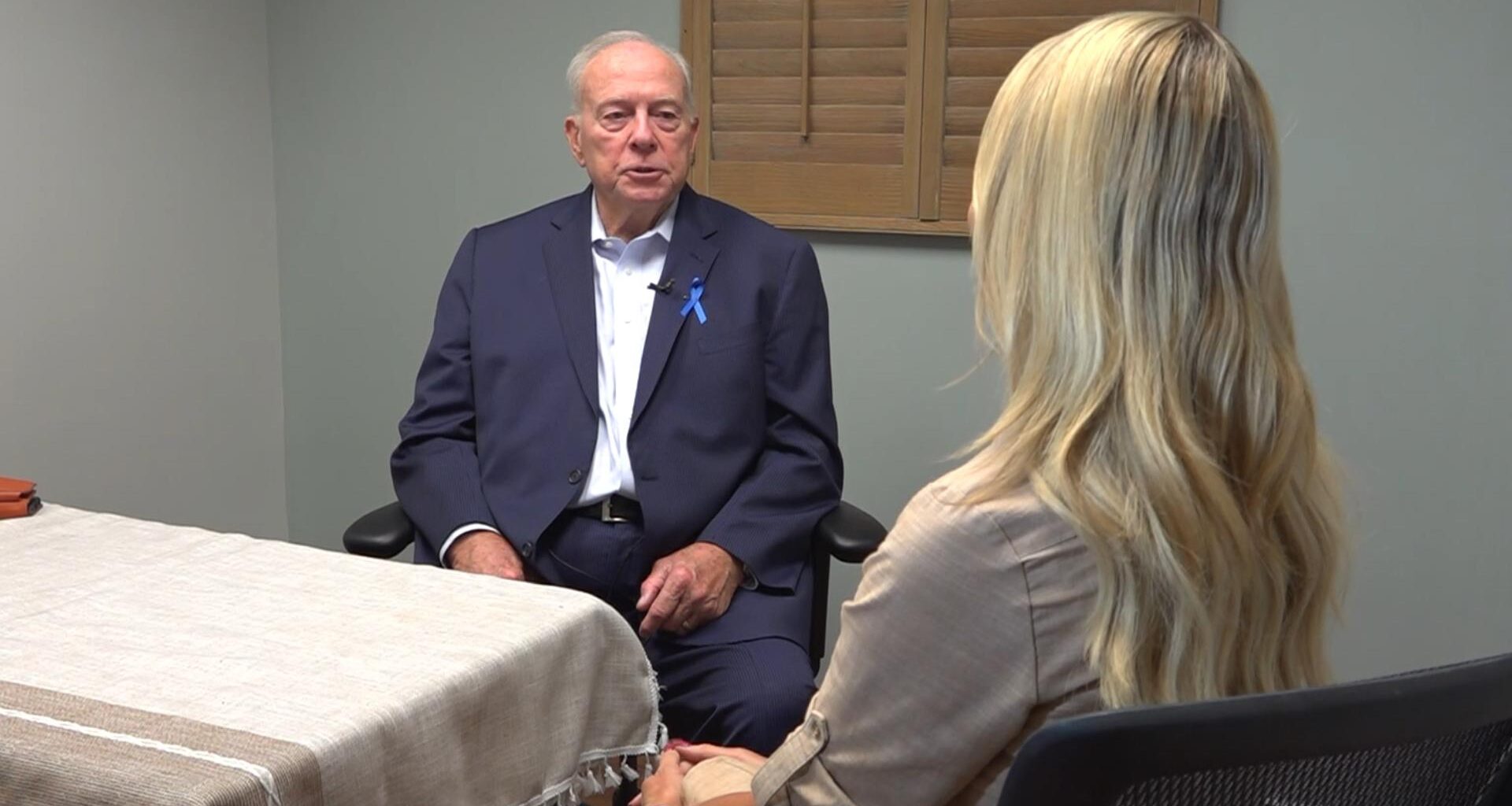
SAN DIEGO — September is Prostate Cancer Awareness Month, and 75-year-old Vietnam veteran Pete McBride is sharing his personal story to encourage others to get screened for this often-silent disease. McBride’s journey took a devastating turn last month when he learned he had terminal prostate cancer, a diagnosis that shocked him and his family.

This story continues below.
“I was, you know, are you kidding me? This can’t happen to me,” McBride recalled after receiving the news.
The prognosis was grim; with treatment, he might have about five years to live, but without it, he could face just two years. The cancer has metastasized to his lymph nodes because it was not caught early enough.
“I never received a prostate-specific antigen, or PSA, test,” McBride explained, emphasizing the importance of early detection.
He began receiving care through the Veteran Affairs (VA) system several years ago, but it wasn’t until he insisted on a PSA test outside the VA system that his alarming levels were revealed.
The American Cancer Society recommends that average-risk men start screening at age 50, but there is no automatic standard in place, leaving many men unchecked. Dr. Robert Princenthal, medical director of prostate imaging for RadNet, underscored the confusion surrounding PSA screening, attributing it to shifting medical guidelines.
“The government has created confusion by changing the goalposts regarding PSA screening,” he said. “A lot of primary care doctors and patients don’t know about it and forget to ask to get a PSA [screening].”
Princenthal noted that the PSA test is affordable—around $10—and usually covered by insurance for men aged 65 and older with Medicare. Prostate MRIs, which provide a more detailed look when cancer is suspected, are also widely covered.
Statistics show that one in eight men will be diagnosed with prostate cancer in their lifetime, with rates even higher among Vietnam veterans. Symptoms can vary from changes in urination to fatigue or bone pain, but many early-stage cases show no symptoms at all, underscoring the need for regular screening.
“If I can prevent other vets or other people in general from having to go through this, that’s one of my big objectives,” McBride said in a plea for awareness.
RadNet is holding an informational seminar on men’s health on Sept. 19.