
There’s an open race for California’s 34th Senate District, which encompasses a large swathe of north Orange County and a bit of Los Angeles County. Democratic Sen. Tom Umberg, who is termed out, has represented the Latino majority district since 2018. Despite its partisan lean – Democrats hold a 12-point registration advantage – Umberg has been one of the least ideological Democrats in the Legislature.
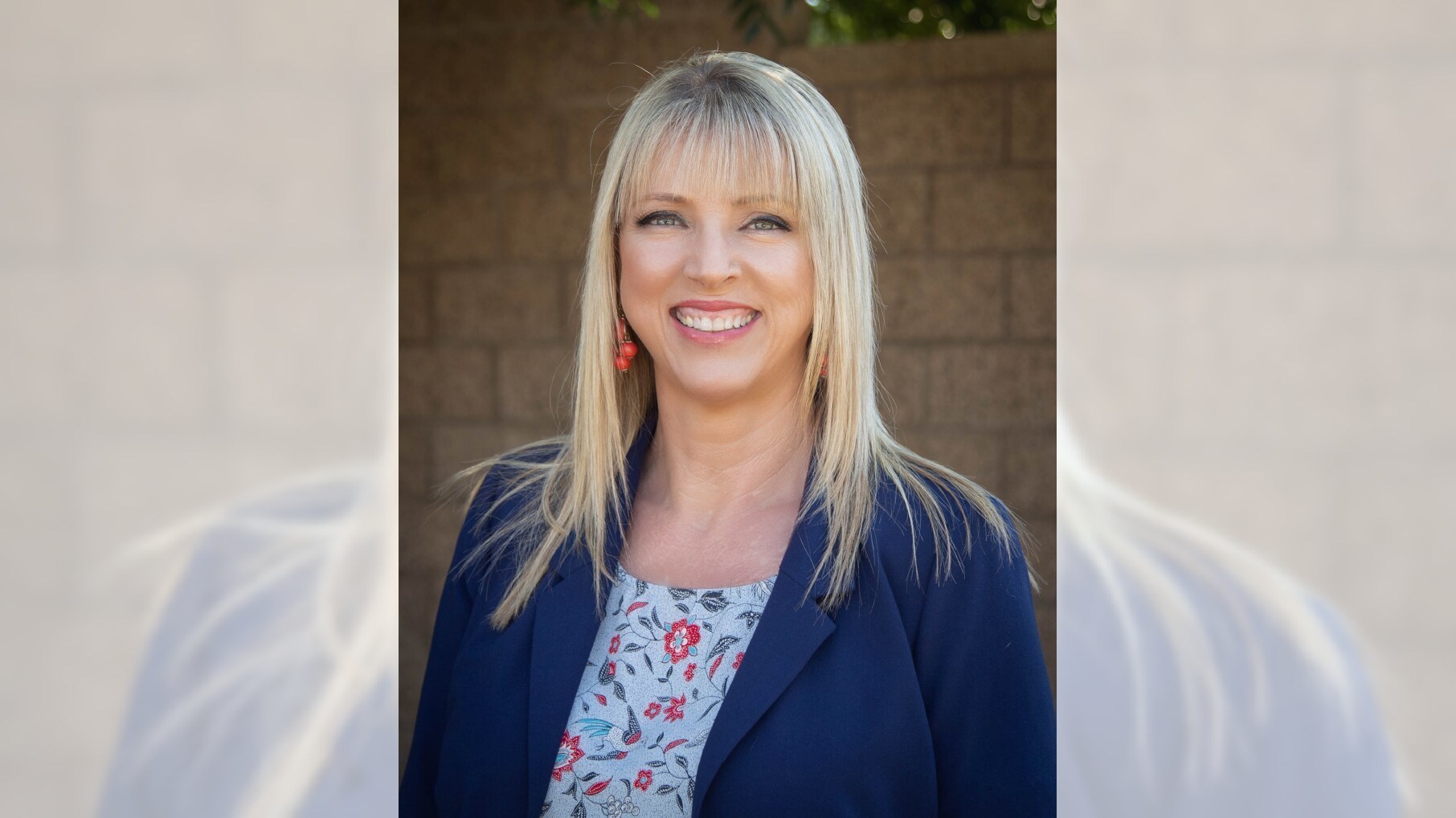
The candidates for this key Orange County legislative seat are reasonable and knowledgeable: Assembly member Avelino Valencia, D-Anaheim, and Rhonda Shader, R-Placentia. Both have been in local government, with Valencia on the Anaheim City Council and Shader on the Placentia City Council.
Valencia promised to bring the same “analytical and rational approach” as Umberg. He touted various centrist, market-oriented positions on everything from insurance regulation to the construction of market-rate housing – and was well versed in the details of these issues. He vowed to protect tax-limiting Proposition 13, which is a relief for a Democrat. The district can do far worse than Valencia as its senator.
Yet we throw our support to Shader.
She reminds us of an old-school Republican – of the sort we miss, actually – as she talked about Sacramento’s “death by 1,000 cuts” approach to business regulation and emphasized a market-oriented affordability approach. She understands the need to reduce construction-stifling building regulations. And she understands that Sacramento’s endless catering to special interests leaves California government overextended and reliant on new taxes to sustain itself.
With Democratic supermajorities in Sacramento, Shader would offer needed balance.
But our biggest reason for endorsing Shader is the courage she showed in standing up to the public-employee unions in her own city. As we noted in our 2022 endorsement of her, “she endured union wrath for creating a new fire department (and exiting an overpriced county contract) that saves the city $28 million over a decade.” To curb the ability of other cities to follow suit, Sacramento responded with Assembly Bill 2967 to “prohibit cities, special districts, and counties contracted with CalPERS from exploring novel and innovative operational structures in the future,” as the League of California Cities put it.
By contrast, Valencia echoed support for a pro-union status quo that restricts state efficiency and enables government overreach. While he initially refrained from voting on Assembly Bill 1383, which rolls back pension limits to allow public safety workers to retire sooner with higher payouts, and Assembly Bill 1776, which makes it easier for the state to sue single companies for alleged monopoly practices, he ultimately voted to advance both to the governor’s desk.
Beyond his support for Prop. 13 and opposition to the wealth tax, Valencia hasn’t been a friend of the taxpayer. After explaining that the state must discipline its spending habits and that throwing more money at problems isn’t always the answer, he also acknowledged his support for new taxes on health insurance and software. He also voted for Assembly Bill 1768, which exempted Contra Costa County and Los Angeles County from the state sales tax limit so they could adopt higher taxes. Contra Costa voters wisely voted down a sales tax measure in June, while Angelenos approved a $1 billion a year sales tax hike.
Shader is facing long odds, but we believe she’s the right choice for the district. She would bring a common sense, back-to-basics agenda to Sacramento. As she proved in Placentia, she is willing to buck powerful interests in defense of taxpayers. Considering most Republicans in the Legislature at this point are also as beholden to public employee unions as the Democrats, she’d be one of the only true fiscal conservatives in Sacramento. She has our endorsement.