
Grief is a complicated emotion. A profound loss can break a heart and bring unexpected emotional and physical pain that lasts for months or even years. As Marcella Johnson says, “Grief has no expiration date.” It can devastate, but it can also inspire.
Johnson knows this from experience. In 1999, her fourth child was diagnosed in utero with osteogenesis imperfecta type 2, a life-limiting disease. George was born on April 11, 1999, and died that same day.
“I got to hold him and look into his big blue eyes and tell him that I loved him,” she recalls. “That was very special for my family.”
In the days that followed, Johnson was swept up in sorrow and a physical pain she couldn’t understand. Her heart felt as though it physically ached; the only relief came from pressing on her chest, as if tending to an open wound. Her arms hurt, too, and rubbing them or applying ointment did nothing to ease the pain. She later came to understand the heart pain as stress-induced cardiomyopathy, also known as takotsubo syndrome or broken heart syndrome, a condition that was little understood at the time. She also experienced what’s commonly called empty arm syndrome, though it isn’t an official diagnosis. “It’s when your arms are literally aching to hold your child,” she says.
A week later, Johnson found an unexpected source of relief. Someone had left a terracotta pot of flowers at George’s gravesite, and her father urged her to take it home. When she held the pot, the aching began to subside.
“It was a cold, hard terracotta pot, but the weight of it gave me comfort. I felt an immediate response, and I thought, I can’t say anything to anyone. This is so weird,” she says. “I got home and I did not want to put that terracotta pot down. I found myself walking around the house, and every time I put it down, my pain would return. So I didn’t let go of it … I was so desperate to get myself out of pain that I [would] do whatever it takes.”
PARTNER CONTENT

Vi at La Jolla Village Brings Good Living to Life

Summer Nights at SeaWorld San Diego
 Courtesy of Marcella Johnson
Johnson soon learned she wasn’t the only grieving mother to find comfort in an inanimate object. Women had found solace in a sack of flour, a pillow, even a pineapple.
Johnson set aside her own grief and thought, I have to do something for these women.
“We needed to get to them before they left the hospital, because for me, leaving the hospital empty-handed was the worst experience of my life,” she says.
She began thinking about what might help. At George’s funeral, guests had brought stuffed animals to donate. Seeing a Beanie Baby at the top of the pile sparked an idea: What if she made a teddy bear about the size of a baby?
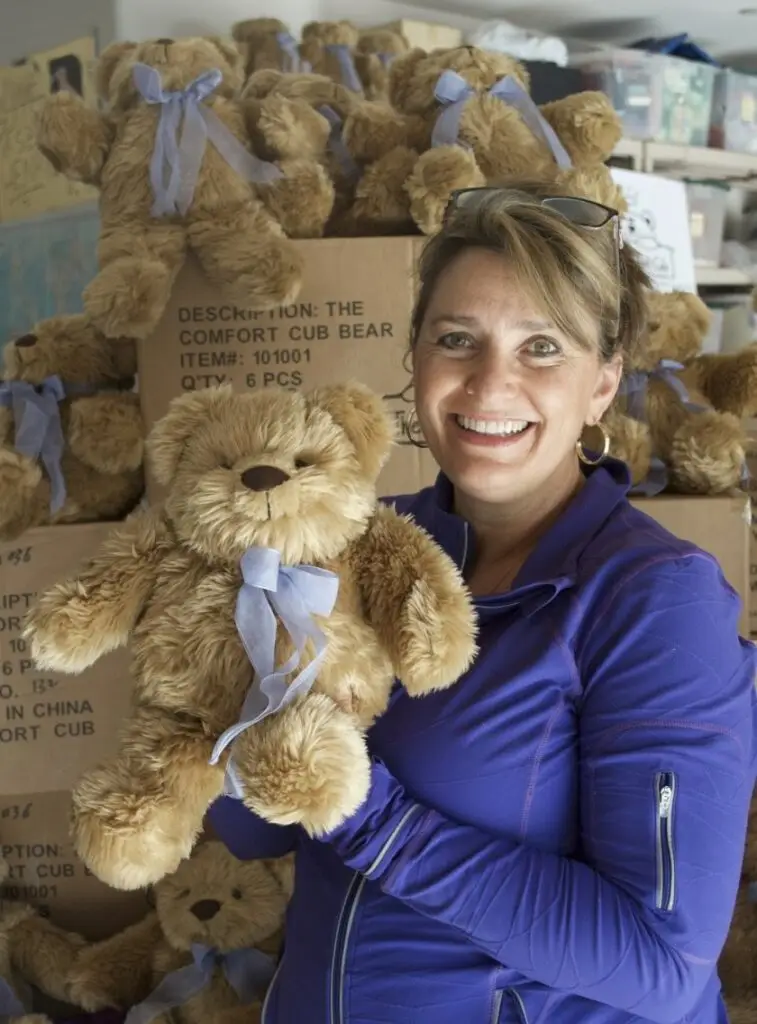
“It’s not uncommon for a grown woman to have a stuffed animal. And the teddy bear, the Comfort Cub that we came up with, if you look at it, you have no idea that it’s a therapeutic tool,” she says.
Johnson went to a predecessor of Build-A-Bear Workshop and filled a teddy bear with split peas. After a few tries, she found a weight that felt right. At first, she made every Comfort Cub by hand and included a personalized note. Soon, the bears were being donated to mothers who had lost a child at hospitals throughout San Diego. Johnson’s effort later expanded to select hospitals across the country.
As weighted blankets became more popular, Johnson saw growing interest in the calming effects of deep pressure. Research on weighted blankets suggests they may help some people feel calmer, though the evidence remains limited. Johnson also realized Comfort Cubs might help people beyond grieving mothers. She brought them to the San Diego Police Department for use during trauma cases. “They were very well received,” she says.
Today, through her nonprofit, the Comfort Cub Program, therapeutic bears are given to families grieving the loss of an infant and to survivors of violent crimes.
 Courtesy of Marcella Johnson
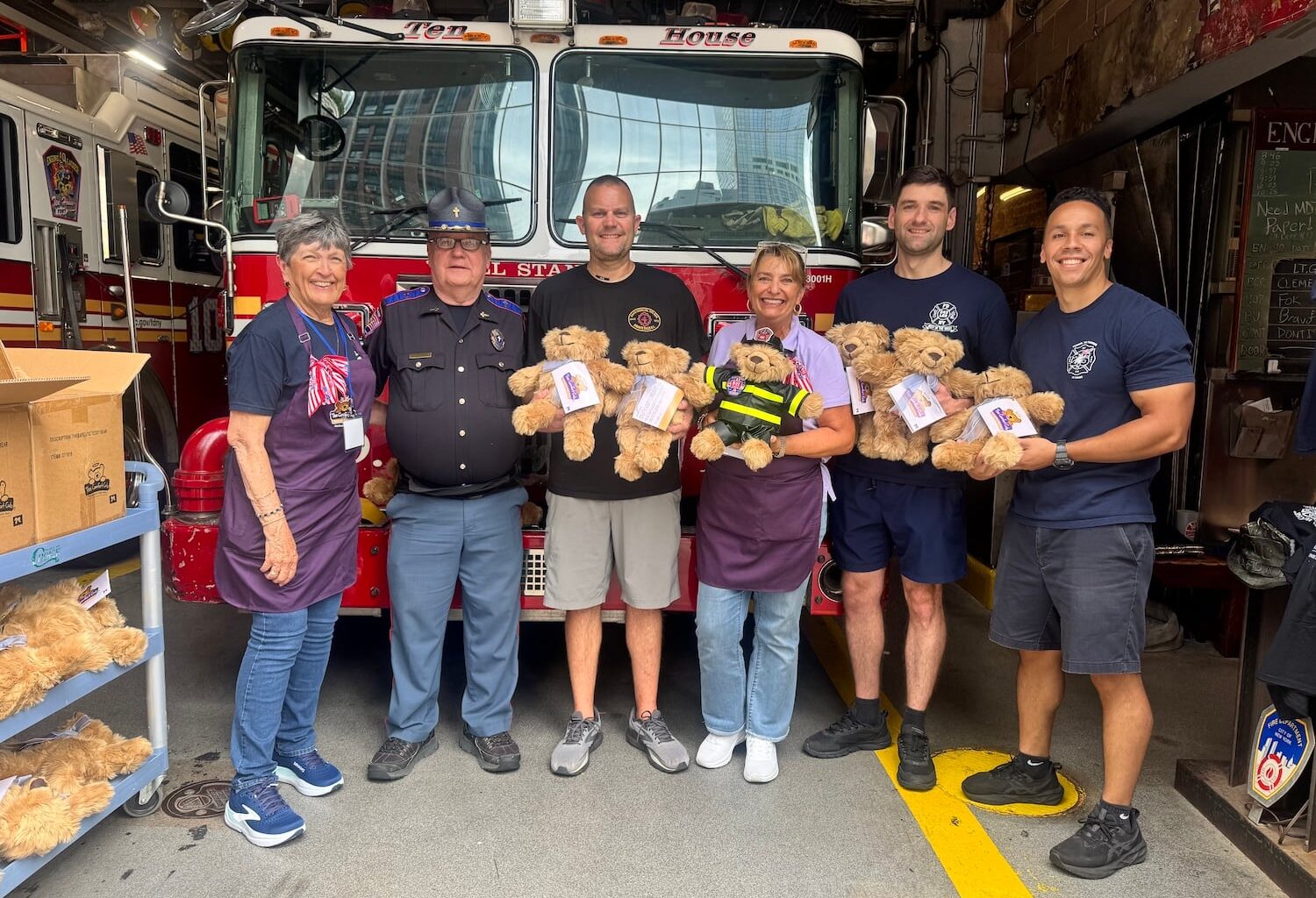
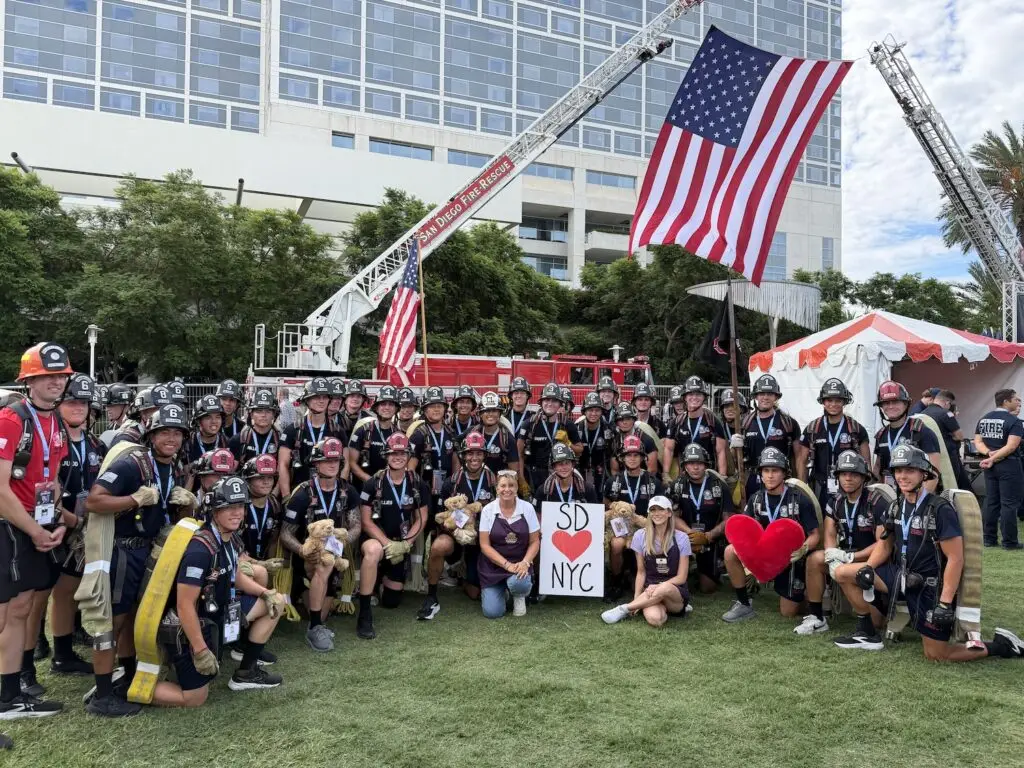
The organization has provided Comfort Cubs to individuals, families, first responders, and communities across the country affected by tragedy, trauma, and loss. Bears went to families of victims after the 2012 Sandy Hook shooting and the 2017 Las Vegas mass shooting, as well as to people affected by the wildfires in Maui and Los Angeles and the catastrophic flood that killed 28 people at Camp Mystic for Girls in Hunt, Texas. Johnson recently traveled to New York to donate more than 1,000 bears to surviving family members attending the VOICES 25th Anniversary NYC Symposium and Commemorative Luncheon, a 9/11 memorial event.
Johnson called the experience “humbling.”
“Whether a loss happened yesterday, five years ago, or 25 years ago, the need for emotional healing and support remains essential,” Johnson says. “Grief has no expiration date—and neither should comfort.”