
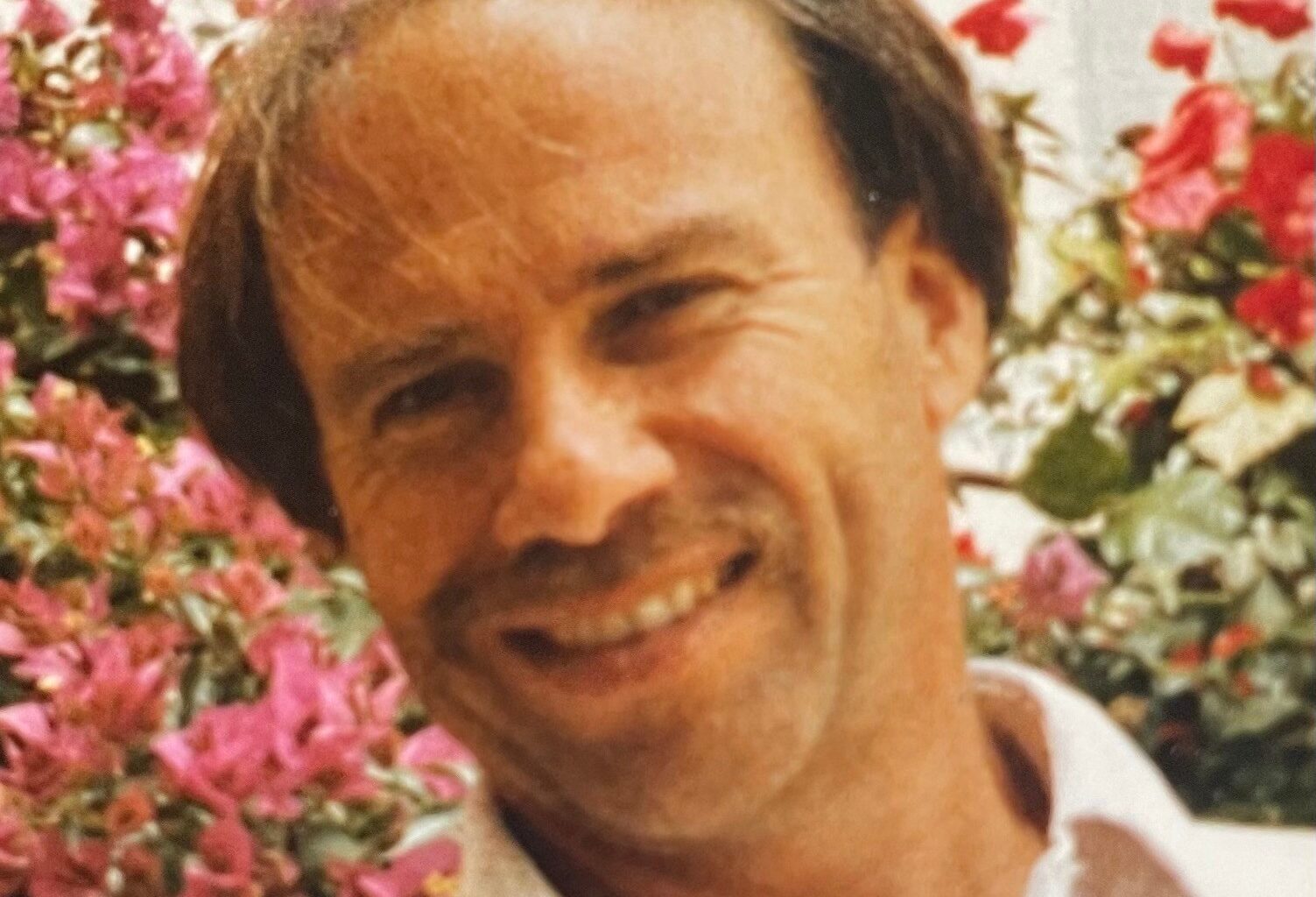
Triano Ciani
OBITUARY
Noted artisan Triano J. Ciani, lived in seven small homes by the time he entered high school, living first in Glendale then Burbank with his mother, Elda and brother Tony, who was 4 years younger. In the late 1940s they lived in a tiny trailer at the Valley Village Trailer Court. Without a car, the family either walked or rode the bus or streetcar. During the week, Mom rode the bus to her job as a bank teller and Triano walked Tony to school along the railroad spur leading to the lumberyard. Because of the trailer’s lack of space, they played outside in vacant lots or went on adventures in the foothills and canyons of the Verdugo mountains. A few times in the summer, Triano took Tony on the 3-hour streetcar ride to the ocean at Santa Monica.
Triano grew to love everything about nature and native peoples who valued and respected the land. As a boy he followed those principles at play and in his art. He continued that philosophy throughout art school and later in his pottery and as an artisan for clients in the construction of their homes. He received a grant to attend Principia High School in Saint Louis where he excelled in art and long-distance running. When he graduated, he got a full grant to attend the Millard Sheets Art Summer School in LA. That year mom took the family on the train to San Diego and moved to La Jolla. There, Triano’s passion to explore nature continued in the coastal bluffs and canyons at Torrey Pines State Park where he collected clay that he used to create unique pottery that was featured in an exhibition at the La Jolla Art Center.
Triano was drafted into the Army and after completing boot camp at Fort Ord, near Monterey, he went on to the U. S. Army’s elite 101st Airborne Division because he wanted to fly with the “Screaming Eagles.” At Fort Cambell, KY he became the company artist making posters including several for the 1964 Summer Olympics in Tokyo, Japan. When he was released from duty back at Fort Ord, Triano walked along the California coast back home to La Jolla. That journey inspired him to visit friends he made in high school, including traveling to Montana and Alberta, Canada where he stayed on as a cowboy and ranch hand. Eventually he volunteered on the Navajo Nation Territory in Arizona and Colorado teaching pottery. He enjoyed learning the languages of the people he lived with. He also became a fluent speaker in Spanish. Back in La Jolla, he helped the Rodriquez family restore the kiln in La Jolla’s Pottery Canyon and to get the canyon designated as a local historical site.
Friends in marine sciences invited Triano to apply his craftsmanship to help build personal submarines and to explore the ocean. He worked from the Bering Sea to the Gulf of Mexico assisting with Marine Advisors’ studies of ocean currents. His love for the sea inspired his quest to body surf and swim in the open ocean.
Triano later volunteered with Jimmy Carter’s Habitat for Humanity organization to build homes in Tijuana. Throughout his career in building, Triano sponsored immigrants from Mexico, Central and South America teaching them in various construction trades such as stone masonry, tile and carpentry building custom homes in La Jolla and Point Loma.
Meanwhile, Triano bought a small one-bedroom cottage in Pacific Beach that he called “the house of impossible dreams.” There, he maintained a vegetable garden and built a large kiln using custom-shaped bricks. He continued his passion for clay at home and eventually traveled to India to study that culture’s ceramics and take a bus to hike in the foothills of the Himalayas.
Triano loved being an uncle to his nephew, David and niece, Mariah, and brother-in-law to Lisa. When his mom needed home care, Triano studied and became a licensed caregiver. She lived to be 104 years old in his “House of Impossible Dreams.” Finally, he sought the comfort of assisted living and new friends before he left on the moonlit night of July 28, 2026, for the place he called “The Happy Hunting Grounds.”
Triano believed in kinship with all life. Donations in his honor can be made to the San Diego Chapter of the California Native Plant Society: https://cnpssd.org/