
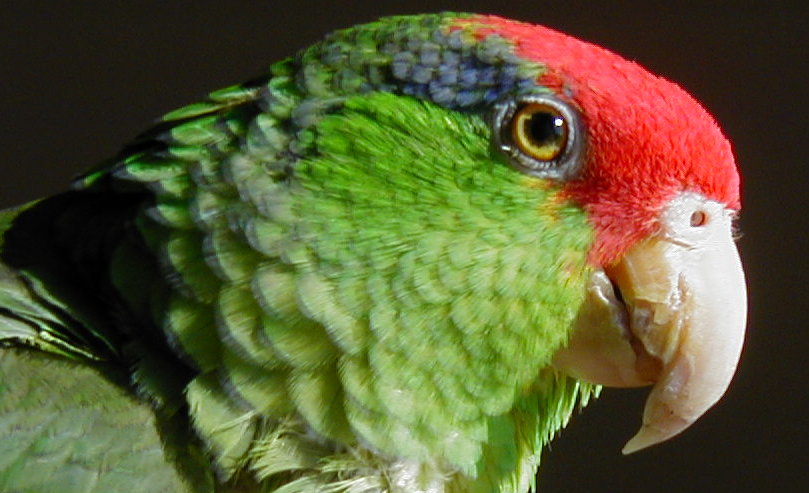
Ornithologist John McCormack of the Moore Lab of Zoology explains the squawking
Nearly a century ago, bird nerd Robert Thomas Moore arrived in Los Angeles with some 3,000 specimens he had acquired south of the border. Moore, then pushing 50, scaled volcanoes and traipsed through the jungles looking for new species to stuff and examine. In 1951, he moved his collection to Occidental College, where the Moore Laboratory of Zoology remains, known as the world’s largest collection of Mexican bird specimens.
On October 19, you can meet ornithologist, evolutionary biologist and museum curator John McCormack, who runs the lab today, and hear about the birds of L.A., including our astounding flocks of wild parrots. McCormack’s talk is part of the “Lectures on Tap” series, which brings authorities on everything from Champagne to natural disasters to director Christopher Nolan out of the classroom and into a bar to share their expertise.
“It’s like a pub trivia night,” says McCormack. “But it’s a public lecture on an intellectual topic. I did it onstage at El Cid and loved talking about parrots where all these famous comedians and dancers had performed.”
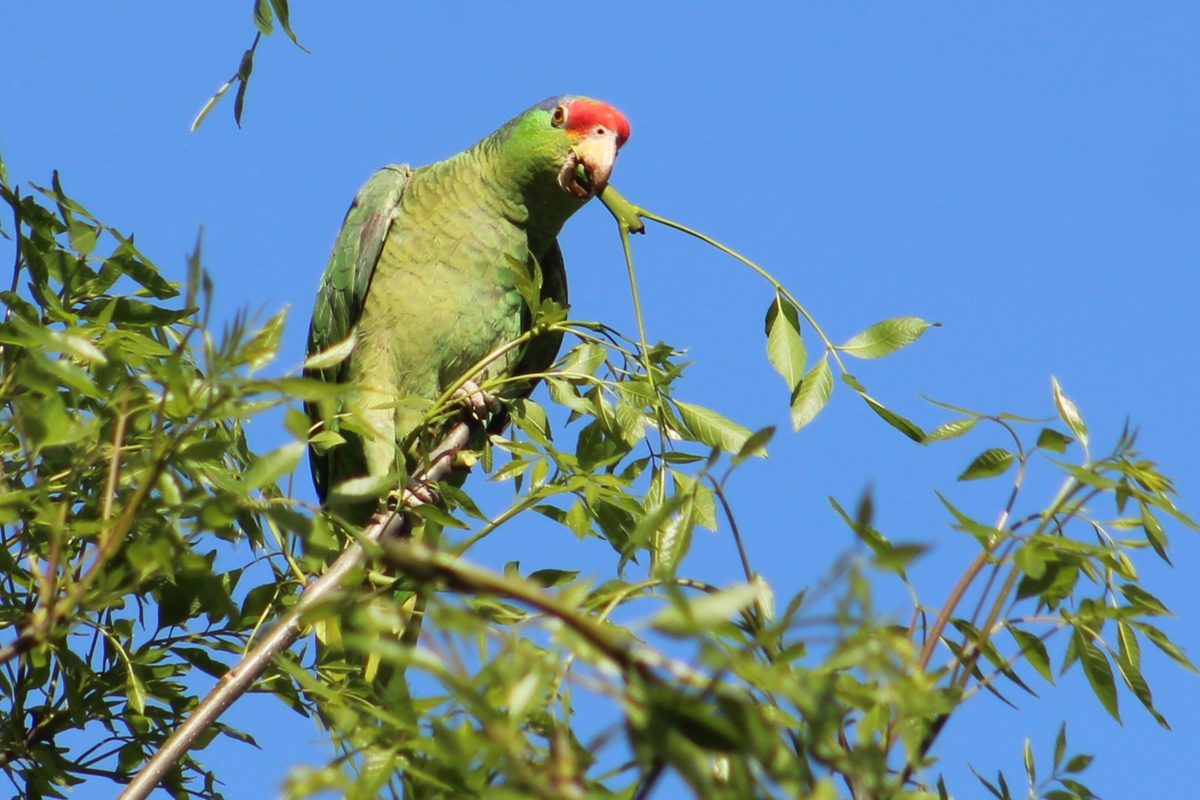 An Amazona viridigenalis at home in MexicoCredit: Photo by rebal/Wikipedia
L.A.’s wild parrot population exploded in the 1950s, according to the state Department of Fish and Game at the time. In 1971, nearly a million birds, mostly parrots and canaries, were legally imported but smugglers sometimes released flocks to avoid getting caught with illegal birds. The Wild Bird Conservation Act of 1992 cracked down on imports of exotic species, including parrots, cockatoos and macaws.
McCormack and his students utilize the vast collection of 65,000 birds collected in the 20th century for comparisons to modern animals. “We can get DNA out of the old specimens,” McCormack says. “It’s degraded but we can compare a parrot of 100 years ago to the same species today and reconstruct evolutionary history, divergence and species formation.” Historical information on where the original bird was found helps track down their nesting locations and aid in taxonomy.
The enormous flocks of red-crowned Amazon parrots that today call the San Gabriel home were once limited to a small area around Temple City but have expanded their habitat greatly. “There’s evidence that people have tried to shoot them with bb guns and people have tried trapping them with nets,” McCormack says. “Either for target practice of their find them annoying.” Twenty years ago, a Trader Joe’s clerk in Temple City told the Los Angeles Times his backyard was “like the Amazon.”
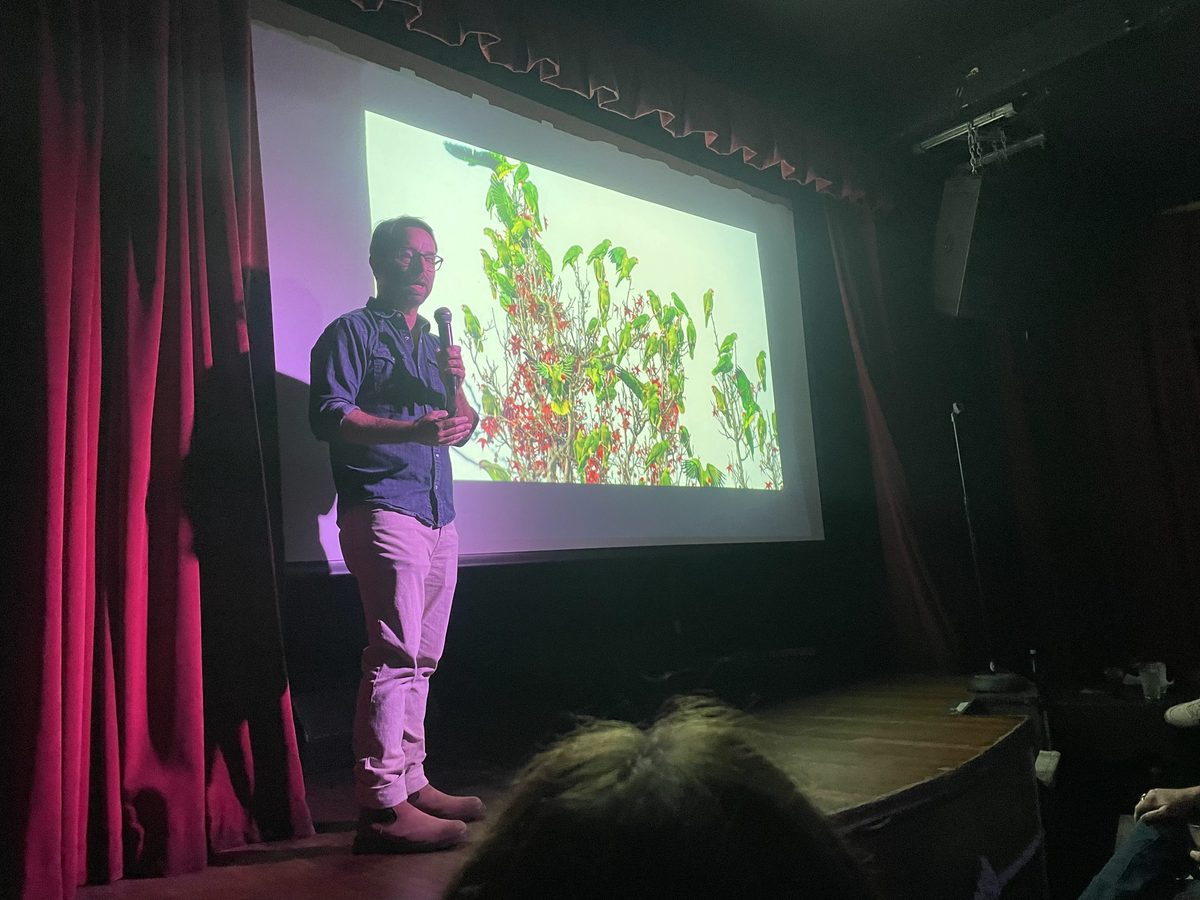 John McCormack of the Moore Laboratory of ZoologyCredit: Photo by Amanda McCormack
Scroll to continue reading
McCormack says smuggling is still a problem, citing a recent case where a flock of baby parrot nestlings was found stuffed into a hidden compartment in a vehicle returning from Mexico. “Some of them didn’t make it,” he says. “Just like human trafficking.” McCormack and the Occidental students have built a genomic map with DNA from confiscated birds so they can be returned to their native areas. “It’s like a wildlife forensic crime type study,” he says.
Exotic fruits and plants rooted in L.A. backyards, along with warmer and more humid weather in recent years, have created an environment more accommodating to the red-crowned Amazon parrot, so don’t expect their screeching to diminish anytime soon.