
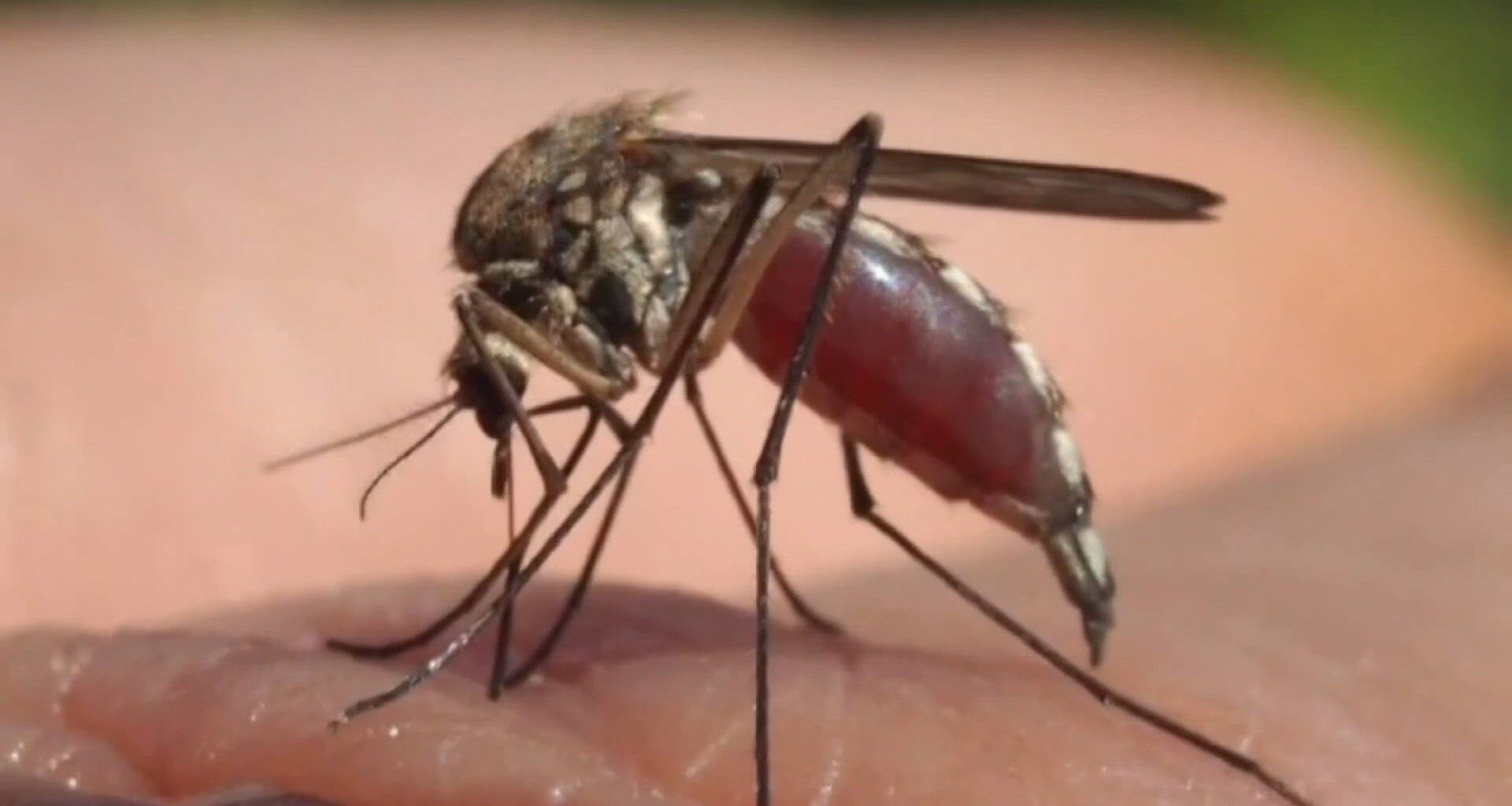
There have been 11 documented cases this year, up from zero last year.
SAN DIEGO — County health experts are urging residents to take precautions as West Nile virus cases have surged to 11, the highest number in a decade. This rise in cases marks a stark contrast to last year, which saw no reported infections in the county.
In response to the outbreak, county officials are actively spreading awareness and providing mosquito control measures, particularly in areas with higher case rates, such as Coronado. Vector control trucks were deployed early Friday morning, and officials plan to return Saturday at 1am to spray again. Signs alerting residents of the spraying operation are posted in affected neighborhoods, with a map indicating the areas to be treated, spanning from 2nd Street to Ocean Boulevard and F Avenue to Glorietta Boulevard.

This story continues below.
According to vector control officials, they “identified an area that we see as having a higher risk of West Nile virus, based on finding positive mosquitoes within a limited area.”
The virus typically originates from infected birds, which mosquitoes then transmit to humans. Although 80% of people who become infected with West Nile do not show symptoms, the remaining 20% may experience flu-like symptoms such as fever and muscle aches. Severe symptoms occur in about 1% of cases, which can sometimes lead to death. Currently, four individuals from the 11 confirmed cases this year have been hospitalized.
“It’s really important to understand there is no vaccine, there is no treatment for West Nile virus, so we have to take prevention really, really seriously,” Public Health Officer, Dr. Sayone Thihalolipavan emphasized.
To reduce risks, residents are advised to eliminate standing water around their homes where mosquitoes breed, including flower pots and bird baths. Additionally, using insect repellent and wearing long sleeves and pants can help protect against bites. Mosquito activity peaks during dawn and dusk, making those times particularly important for caution. The threat of rising cases is heightened by a forecasted El Niño, which may create more standing water and extend the risk beyond the typical peak season from June to October.
According to the CDC, an unusually warm and wet spring led to an early surge in mosquito breeding and virus circulation across the United States this year.