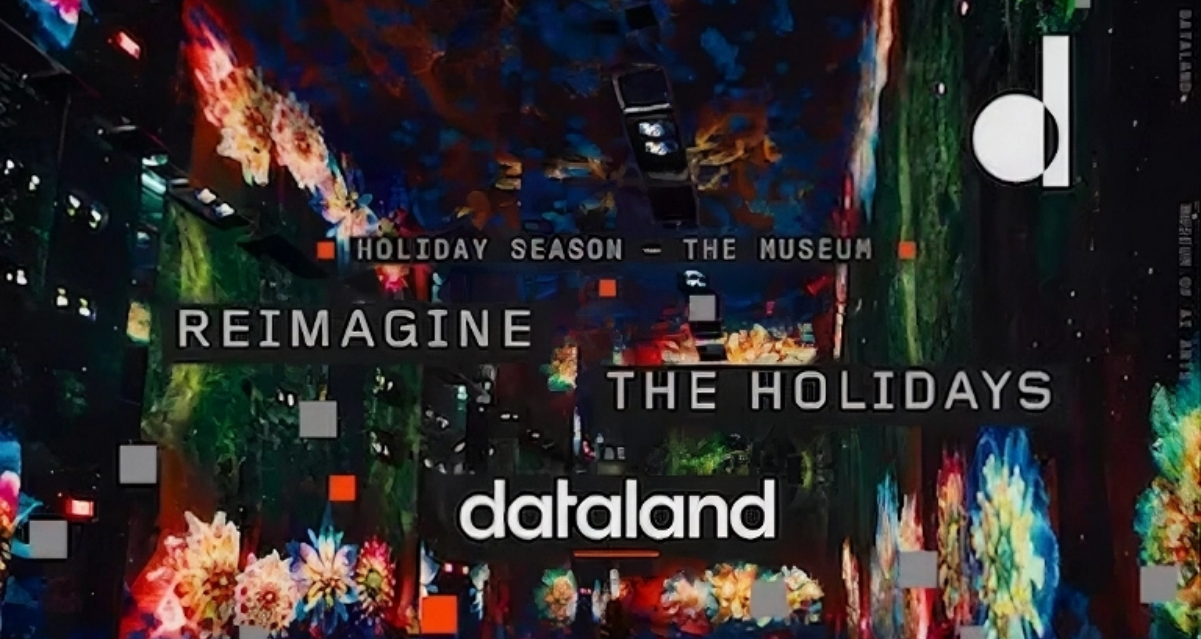
Santa Clarita Valley residents looking for a different kind of museum experience may want to make the trip to Los Angeles to check out Dataland, a museum focused on artificial intelligence, digital art, and how technology can create new forms of art.
For the 177th installment of KHTS’ Extremely Quirky Destinations series, we’re heading to Dataland, which describes itself as the world’s first museum dedicated to AI arts.
Dataland was created by Refik Anadol Studio and brings together art, science, artificial intelligence and technology. Much of the museum focuses on how AI can use large amounts of information, including data from nature, to create art and interactive experiences.
The museum’s first major exhibition is built around the Large Nature Model, an open-source AI system created using data collected from the natural world.
The idea is to use AI to help people see and understand nature in a different way. Visitors can see how information about forests, wildlife and the environment can be turned into visuals, sounds and other experiences.
Gallery A – Data Pavilion: Latent Forest
The Data Pavilion is one of the museum’s largest immersive spaces. Instead of simply looking at artwork on a wall, visitors become part of the experience.
Large digital images cover the walls and ceiling, creating an ever-changing rainforest-inspired environment. The artwork responds to people as they move through the space.
Technology tracks things such as movement and where people are standing, allowing the visuals and sounds to change around them.
The experience can also use wearable devices to create personalized sounds. Even things such as a person’s heartbeat can become part of the sounds visitors hear.
The goal is to make visitors feel like they are stepping inside an AI-generated version of nature rather than simply viewing it from the outside.
Gallery B – Latent Gallery
The Latent Gallery gives visitors a closer look at how AI-generated art is actually made.
Visitors can explore some of the data, technology and AI tools used by Refik Anadol Studio. Instead of keeping the process behind the scenes, the gallery lets people see how data can be turned into artwork.
There are also interactive tools that allow visitors to experiment with AI and create their own digital experiences.
The gallery even brings data into food. Some of the experiences are inspired by the plants and wildlife found in rainforests, using different flavors, smells and textures to represent information about nature.
Gallery C – Infinity Room: The Dream of Ruwe Pinu
The Dream of Ruwe Pinu was inspired by an experience Refik Anadol had during a trip to the Amazon rainforest.
According to the story behind the artwork, Anadol dreamed about a glowing bird near a dying forest. Yawanawá spiritual leader Nixiwaka recognized the image and gave the bird the name Ruwe Pinu.
Inside the Infinity Room, visitors see a glowing hummingbird carrying what is described as the final breath of a tree.
The installation focuses on the loss of forests and the importance of preserving the memories and knowledge connected to them.
One of the sounds used in the exhibit is a recording of the last known male Kaua’i ʻŌʻō, a Hawaiian bird that is now extinct. Its call is used as a reminder of species that have disappeared.
The exhibit also connects environmental conservation with the knowledge passed down by Indigenous communities that have protected these environments for generations.
Gallery D – The Sanctuary: Machine Hallucinations: Rainforest
The Sanctuary offers a quieter experience than some of the museum’s larger exhibits.
The space is designed to give visitors a chance to slow down and take in the sights and sounds around them. Light, sound and digital artwork work together to create a more peaceful environment.
Rather than focusing on the fast-moving side of technology, the exhibit looks at how artificial intelligence can be used to create an atmosphere that encourages people to stop, think and pay attention to their surroundings.
The experience changes based on the people inside the space, making each visit slightly different.
Dataland offers a different take on the traditional museum experience, combining art, nature and artificial intelligence into a series of interactive exhibits.
For Santa Clarita Valley families looking for something unusual to do outside the Santa Clarita Valley, Dataland could make for an interesting trip into Los Angeles.
To view last week’s quirky destination, The Little Door, click here.
Sponsored Articles
Do you have a news tip? Call us at (661) 298-1220, or send an email to news@hometownstation.com. Don’t miss a thing. Get breaking KHTS Santa Clarita News Alerts delivered right to your inbox. Report a typo or error, email Corrections@hometownstation.com
KHTS FM 98.1 and AM 1220 is Santa Clarita’s only local radio station. KHTS mixes in a combination of news, traffic, sports, and features along with your favorite adult contemporary hits. Santa Clarita news and features are delivered throughout the day over our airwaves, on our website and through a variety of social media platforms. Our KHTS national award-winning daily news briefs are now read daily by 34,000+ residents. A vibrant member of the Santa Clarita community, the KHTS broadcast signal reaches all of the Santa Clarita Valley and parts of the high desert communities located in the Antelope Valley. The station streams its talk shows over the web, reaching a potentially worldwide audience. Follow @KHTSRadio on Facebook, Twitter, and Instagram.