
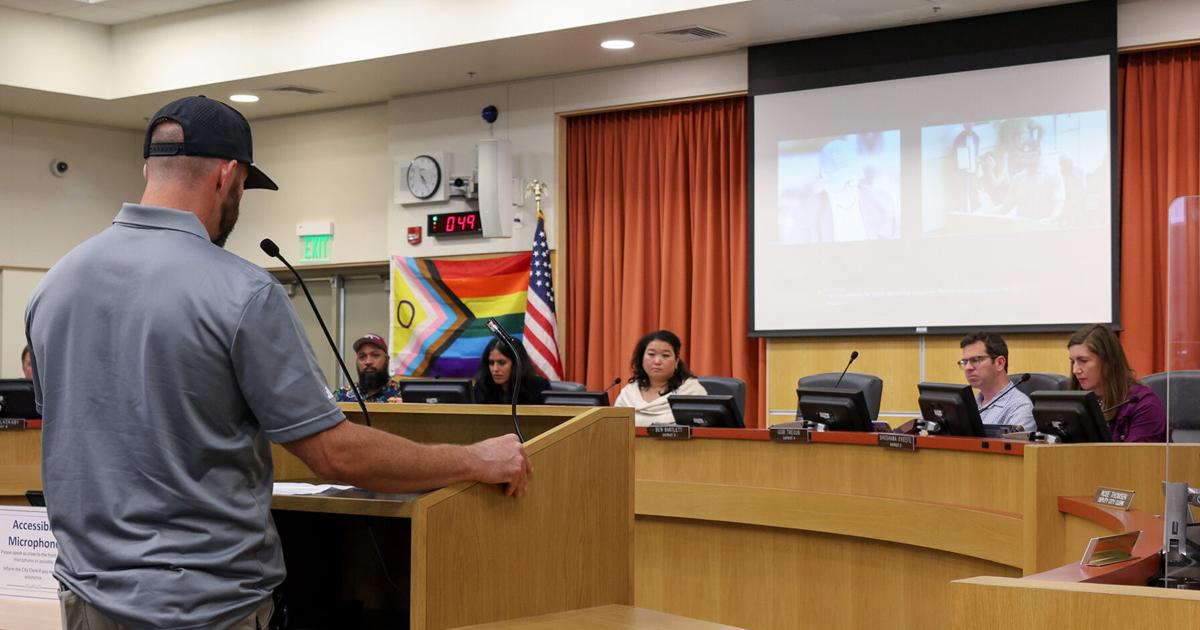
In a 5-4 vote at a special meeting Tuesday, Berkeley City Council rejected an item that would have repealed a BLM-era ban on the use of tear gas by police.
The resolution, authored by District 1 Councilmember Rashi Kesarwani, would have reinstated the ability of Berkeley Police Department’s Special Response Team to use tear gas for critical, life-threatening incidents only. Further, the item lifted the suspension on the use of smoke and Oleoresin Capsicum spray.
The City Council had approved a ban on the use of tear gas and a moratorium on the use of OC spray in 2020. However, this resolution would lift that ban, while maintaining the prohibition on the use of tear gas for crowd control.
The resolution was unanimously approved by the Public Safety Policy Committee on Feb. 19 despite overwhelming opposition from the public. The vote on it was delayed in two instances, once on July 14 and a second time on Sept. 15.
The special meeting was scheduled after technical difficulties at the Sept. 15 meeting, where many community members again shared their dissenting opinions on the issue.
“I am asking my colleagues to put politics aside and think about the possible future life that could be saved if we allow a less-than-lethal tool for a special response team,” Kesarwani said at the meeting.
More than 30 individuals made public comments during the special meeting. All were in opposition to the reinstatement of tear gas, barring a police officer who expressed his support for the resolution. He noted that tear gas is an industry-standard tool that gives police teams more options in emergency situations.
“It is a weapon of war,” said one public commenter. “The City of Berkeley needs to listen to its citizens.”
Other public commenters shared concerns about the unexplored financial implications of tear gas and potential police abuses of chemical weapons. One commenter cited how the Police Accountability Board allegedly found tear gas had barely been used by BPD in recent decades, and that most of those instances of use were for crowd control.
“BPD has only used tear gas three times over the last several decades, and two of those times occurred in a crowd control context that would be prohibited by the Councilmember’s resolution,” the Police Accountability Board wrote in a Sept. 4 letter to the City Council.
In a presentation to the City Council at the Sept. 15 meeting, BPD Chief Jennifer Louis and two other officers claimed there have been three instances when tear gas would have been used since the 2020 ban. However, in all three instances, the situation was resolved without the use of tear gas.
BPD refused to comment as of press time, stating that it does not comment on “impending council items.”
District 7 Councilmember Cecilia Lunaparra expressed her disapproval of reintroducing the use of tear gas.
She voiced concerns about how passing the resolution and reinstating the use of chemical weapons might deter community members from speaking out, attending protests and defending their rights.
District 4 Councilmember Igor Tregub also voiced his opposition to the reinstatement of tear gas and voted against the resolution.
“I respect the important work our Berkeley Police Department is doing to keep our community safe and adhere to the highest norms of professionalism,” Tregub said in an email. “However, I would not want to see these substances used in Berkeley, especially by external agencies that we have virtually zero control over.”
Ahead of the Sept. 15 meeting, District 7 City Council candidate Syrak Micael and ASUC President Margaret Solomon encouraged students to attend the meeting and deliver public comment.
Micael opposed the lifting of the ban, explaining that the reinstatement of chemical weapons is a threat to public health and civil liberties. In an email, he also cited the importance of the city maintaining its commitments to “racial justice, community oversight, and ending police brutality.”
“Students are just as much a part of the Berkeley community as other residents are, and the Council’s decisions impact their lives as well,” said Micael in the email.
In response to the proposed resolution reinstating tear gas, the Berkeley Peace and Justice Commission had put forward a separate resolution that would retain the 2020 moratorium on chemical weapons, retain the requirement for the public reporting of each use of pepper spray and involve an academic institution to study the health impacts of chemical weapons and tear gas.
Though the Council voted to take no action on the item, multiple community members voiced their support of the resolution, calling for more research on the health impacts of tear gas.