
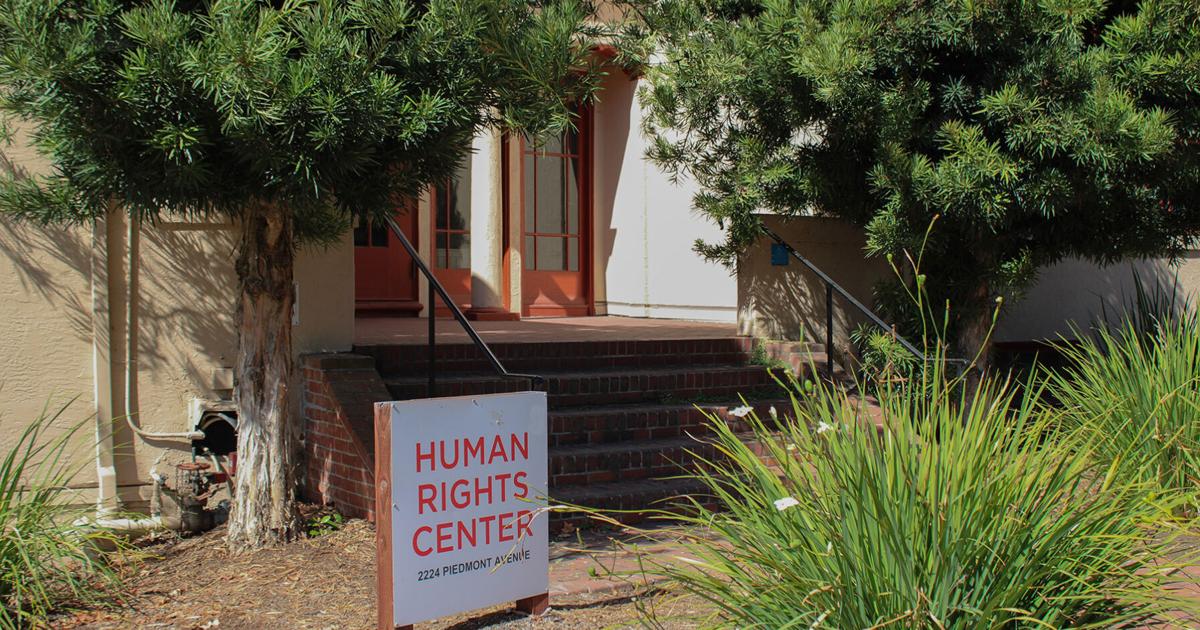
The Human Rights Center at UC Berkeley School of Law has published a multiyear investigation documenting the deaths of 337 journalists and human rights activists in Mexico under the tenure of former President Andrés Manuel López Obrador.
On Sept. 24, the HRC launched “Under Attack: Targeting of Journalists and Human Rights Defenders in Mexico,” a public platform detailing the systemic targeting of Mexican journalists and human rights activists during López Obrador’s six-year presidential term from 2018 to 2024. Mexico was classified as the deadliest country in the world for journalists during this period.
“What we found was deeply troubling,” said Lindsay Freeman, the senior director of international accountability at the HRC, in an email. “During those six years, 78 journalists and 259 human rights defenders were killed, and nearly all of those cases remain unsolved.”
The HRC began to investigate the treatment of Mexican journalists and human rights activists in 2024, originally intending to compile and relay its findings to the International Criminal Court as evidence for prosecutors to open an examination into the country’s situation.
However, following sanctions against the ICC by the second Trump administration, the HRC was unable to submit its findings, so it decided to adapt them for public release.
The HRC’s findings largely attribute the targeting of journalists to the actions of López Obrador’s government. In an article published in the digital policy journal Just Security, Freeman argues that the HRC found five “interlocking instruments” attributable to the persecution of journalists by the Mexican government.
Persecution is a crime under the Rome Statute, the international treaty that created the ICC, which Mexico ratified in 2005. The HRC does not claim its findings are grounds for prosecution, but rather that they contain “information relevant to each element of persecution” that warrants examination.
One of the five instruments outlined by the HRC in its investigation is López Obrador’s use of presidential power to “cast journalists as enemies” to millions. Using artificial intelligence tools, the HRC team found thousands of instances in 1,437 of López Obrador’s morning press conferences in which he used “hostile rhetoric” against journalists.
“The president used his daily press conferences to discredit and attack the press, which we counted 2,827 times, and networks of fake accounts linked to state media amplified that rhetoric into threats and harassment online,” Freeman said.
Additionally, the HRC traced instances of unlawful surveillance. It found that despite opposing claims by López Obrador, the Mexican government unlawfully spied on journalists and human rights activists during his tenure.
The researchers traced how Mexico’s military acquired and used Pegasus spyware against journalists and activists. The Mexican government acquired the spyware, which can covertly compromise smartphones and extract their contents, in a 2011 purchase from Israeli cyberintelligence firm NSO Group at a strip club.
The platform features repositories of case files, a deaths database, an archive of press conferences and military and intelligence organizational charts.
“Our work stands on the shoulders of Mexican journalists and human rights defenders,” Freeman said in the email. “They documented all of this while living through it, often at great personal risk, and without their reporting this platform would not exist.”
Because the HRC is unable to submit its findings to the U.S.-sanctioned ICC, Freeman said she and her team “haven’t been in contact with the Court at all.”
However, she expressed hope for the platform to be used and carried forward by others.
“That could mean organizations outside the United States bringing it to the ICC, prosecutors in Mexico using it at home, or courts in other countries acting under universal jurisdiction,” Freeman said in the email. “We have already been really moved by the response from journalists in Mexico, many of whom see their own experiences reflected in it.”
Freeman also encouraged the public, particularly students, to draw connections between her team’s findings in Mexico and trends in the United States.
“Governments attacking the press and using the courts to punish their critics is not a problem confined to one country, and we are already seeing some of the same tactics here at home,” Freeman said in the email.