
For former foster youth, turning 18 can remove access to financial assistance, housing and the adult support systems most people rely on while attending college.
Local organizations are working to address this gap through housing, mentorship, guaranteed income and other services for young people who aged out of foster care.
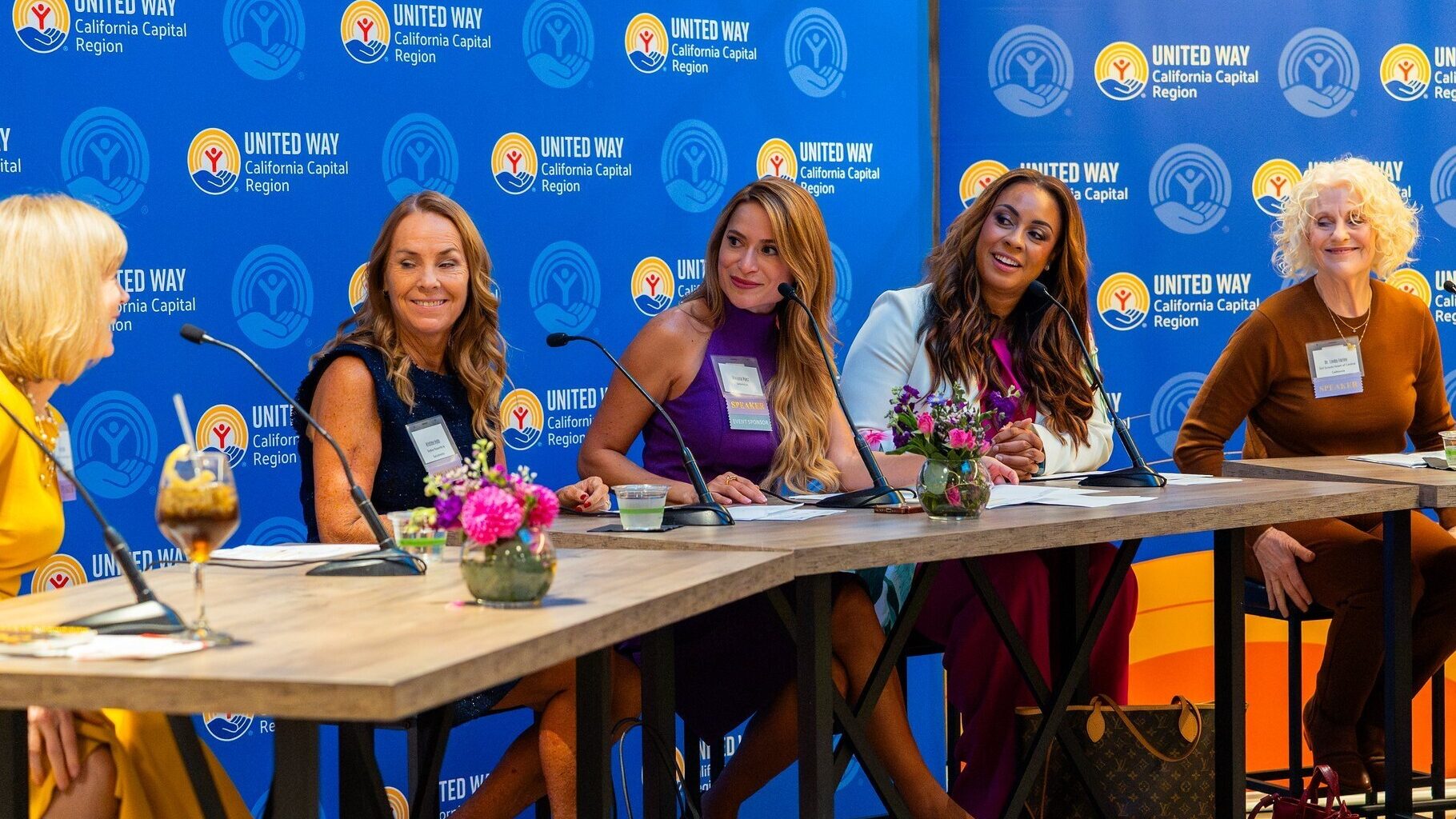
United Way California Capital Region’s (UWCCR) third annual Innovate and Ignite event on Oct. 8 hopes to raise awareness and support for programs serving former foster youth. Hosted by the organization’s Women United Group, the event will feature a fireside chat and networking opportunities.
The event will feature speakers United Way President and CEO Dr. Dawnté Early, SMUD General Manager Laura Anguai and Mary Daffin, co-owner of The Jacqueline.
The UWCCR Chief Resource Development and Marketing Officer Amber Lovett explained the organization’s beginnings. Its current guaranteed income program originated in 2024. The program gives former foster youth from both Sacramento State and UC Davis $900 per month for a year.
“A very low percentage of foster youth actually graduate from college,” Lovett said. “Through our program, we’re looking to help provide them with support for all those other things that pop up while you’re in school.”
With growing costs in California, students can use the money on rent, groceries, vehicle repairs, transportation and textbooks. Lovett said these costs can interfere with a student’s ability to remain enrolled in college.
“They can stay in school, take a full load, maybe not work two jobs, just one job,” Lovett said.
The program is intended to provide stability in a period where former foster youth are expected to become independent quickly without any assistance.
“All of a sudden there on their own and that support stops,” Lovett said.
Staying housed
 A living space at AcademySTAY in Sacramento. The organization provides furnished apartments to up to 56 former foster youth.Courtesy of AcademySTAY
Local organization AcademySTAY provides housing for young adults ages 18 to 24. It operates a 32-unit campus in the Sacramento area, housing approximately 50 former foster youth at a time while they go to school.
Suzanne Gwin, AcademySTAY’S development manager said many of the young adults entering the program are already experiencing housing insecurity.
“Seventy to 75% of the kids who come to us are unstably housed, so they are either living literally on the streets or are couch surfing,” Gwin said.
According to the organization’s website, roughly 170 youth age out of the foster care system each year in Sacramento County.
Gwin said former foster youth often lack the financial and emotional safety net other youth adults take for granted.
“Most 21-year-olds still have a home to call when their car breaks down or their rent goes up, and young adults who are transitioning from foster care really don’t,” Gwin said.
For residents at AcademySTAY, receiving this stable housing is sometimes the first time they feel secure.
“A lot of them say ‘this is the first time I’ve had a bed in months or years,’ because a lot of them have been living on the streets for months,” Gwin said.
Although many organisations are working to bring housing and financial resources to former foster youth, Gwin explained the need for more support.
“The amount of support that they get when they age out of foster care is really still lacking,” Gwin said. “I’d like to see the number, the amount of dollars be higher and resources vaster.”
Supportive adults
Tiffany Sickler, the CEO of CASA Sacramento, talked about how young people who are facing emancipation can experience mental health challenges, housing instability and increased vulnerability to exploitation.
“It makes them so vulnerable to be trafficked into the sex industry, to be exploited in other ways and even be brought into gangs,” Sickler said. “If they don’t have a positive adult role model, they’re susceptible to anything because they’re in survival mode.”
Recruiting and training volunteers to advocate for youth involved in juvenile justice systems and child welfare, CASA Sacramento aims to help young people access medical care, jobs, housing, mental health services and education.
Sickler explained how the relationships between CASA volunteers and youth are especially important.
“Its often the only non-monetized relationship our kids have,” Sickler said. “It shows them that they have value, that they have worth and that someone finds them fun to be around or worth spending time with.”
She said financial resources are important but can never replace a consistent supportive adult relationship.
“Our kids that have been harmed through relationships, that type of healing can only happen through a healthy relationship,” Sickler said.
Housing is another major barrier for foster youth in Sacramento. With rising housing costs and no additional support, going to college can be difficult. According to Zillow, an average apartment in Sacramento can cost up to $1,970 a month excluding additional costs like utilities, food and hygiene.
The event on the 8th will give attendees the chance to learn more about the efforts while hearing from local women leaders and former foster youth.
“We really wanted to provide an event that offered women a chance to network,” Lovette said.
The Women United Innovate and Ignite event will take place from 5:30 p.m. to 7:30 p.m. at The Cannery Place. It will function less like a strict panel and more like a fluid conversation, Lovette said. Tickets are $65. Proceeds will go toward United Way’s foster youth programs. United Way’s programs partner with local organizations including AcademySTAY and CASA Sacramento.
Follow us for more stories like this
CapRadio provides a trusted source of news because of you. As a nonprofit organization, donations from people like you sustain the journalism that allows us to discover stories that are important to our audience. If you believe in what we do and support our mission, please donate today.