
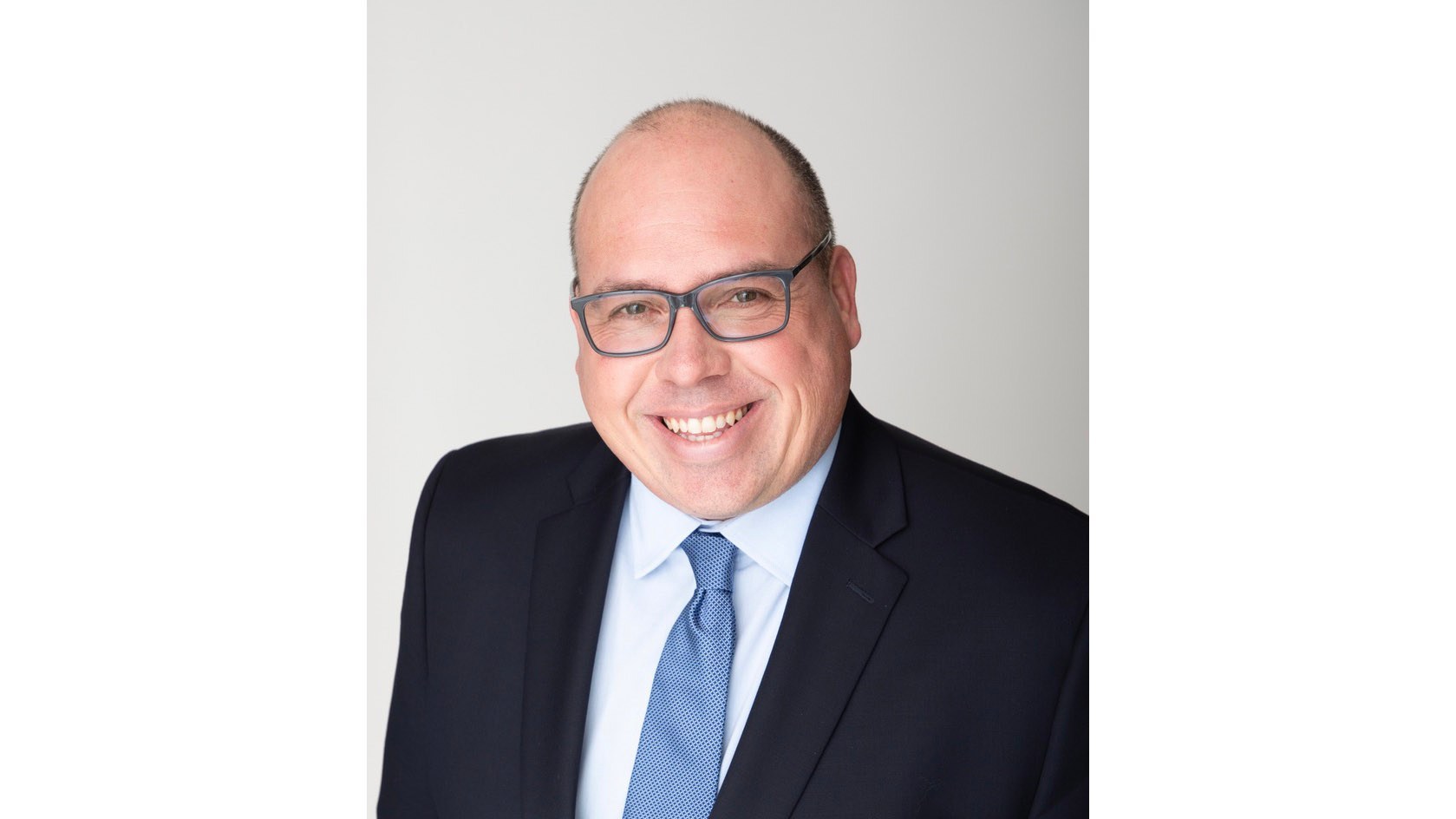
Ahead of the November general election, the Southern California News Group compiled a list of questions to pose to the candidates who wish to represent you. You can find the full questionnaire below.
Name: Steven F. Veres
Age: 50
Current job title: Los Angeles Community College District Trustee
Incumbent: Yes
Other political positions held: Appointed Member of the Santa Monica Mountains Conservancy; Councilmember, City of San Fernando
City where you reside: Los Angeles
Campaign website or social media: www.steveveres.com
What are the top two needs of your college district, and how are you prepared to address them? (Please answer in 200 words or fewer.)
The first need is improving student retention and completion. Too many students leave because of housing costs, food insecurity, transportation, childcare, or the need to work. I will focus on expanding affordable student housing, basic-needs assistance, flexible scheduling, and early intervention so we identify students at risk of leaving and connect them with support before they drop out.
The second need is creating a stronger bridge from college to good jobs. Every student should have the opportunity to graduate with both an education and meaningful work experience. I will work to expand paid internships, apprenticeships, and employer partnerships in high-demand fields and ensure our career programs lead to family-sustaining jobs.
Accountability means setting college-by-college targets for retention and completion and measuring how many students participate in paid work-based learning and successfully transfer or enter employment.
To you, what is the role of community college in education? Is it driving policy, being involved in curriculum, something else entirely? (Please answer in 200 words or fewer.)
Community colleges are the front door to opportunity. Our role is to meet students where they are and help them get where they want to go—whether that means transferring to a university, earning a degree or certificate, learning a trade, or preparing for a better job. As a Trustee, my role is to set policy, establish priorities, provide oversight, and ensure resources are aligned with student success—not to dictate curriculum, which should remain the responsibility of faculty and academic professionals. The Board should create the conditions for innovation by strengthening transfer pathways, expanding workforce partnerships and paid internships, supporting faculty and employees, and removing barriers such as housing, food, and transportation insecurity. Ultimately, our job is to ensure that every student who enters an LACCD college has a clear, affordable pathway to completing their education and improving their economic future.
In October, Long Beach City College will break ground on a new student housing facility at its Liberal Arts Campus that will provide 431 total units to students. Is student housing a priority that your college should pursue? If so, explain how you intend to take on such an endeavor in a timely, cost-effective manner. If you don’t, how should your college district support students searching for affordable housing options near campus? (Please answer in 200 words or less.)
Yes. Student housing must be a priority for LACCD. Housing insecurity is one of the biggest barriers to enrollment, retention, and completion, particularly in Los Angeles. I believe we should pursue affordable student housing on or near campuses where the need and opportunity are greatest, but we must do it responsibly. LACCD should identify underutilized district-owned property, pursue state and local housing funds, and develop partnerships that reduce the financial burden on the District and students. We should learn from projects at Long Beach City College and other community colleges rather than reinventing the wheel.
Timeliness and cost control require clear project goals, realistic budgets, competitive procurement, and strong Board oversight with regular public reporting on costs and schedules. We should also pursue master leases, housing partnerships, and emergency rental assistance that can help students now while permanent housing is developed. Our goal should be straightforward: create housing students can actually afford without diverting resources from the classroom.
What actions would you suggest to prevent a cyberattack similar to the Canvas data breach in May? How can your district ensure students’ information is safe? (Please answer in 200 words or less.)
LACCD has made progress strengthening cybersecurity, and the Board regularly receives updates on threats and our security efforts. The Board’s role is to set clear security and privacy standards, ensure adequate resources for cybersecurity, and hold District leadership and vendors accountable for meeting them. I support ongoing independent security testing, stronger multifactor authentication, continuous monitoring, employee training, secure backups, and rapid incident response. The Canvas breach also shows that our security is only as strong as our vendors. The Board should require strong cybersecurity provisions in contracts, limit the student data vendors can collect and retain, and require prompt disclosure and remediation of breaches. Cybersecurity must remain an ongoing governance and budget priority as threats evolve.
How do you feel artificial intelligence is, or isn’t, safe in the classroom? In what instances should it be expanded in the classroom? What about when it should be limited? (Please answer in 200 words or less.)
AI can be a powerful educational tool when it supports students and faculty rather than replacing learning, critical thinking, or human interaction. We should expand its use when it helps students research, analyze information, develop technical skills, receive tutoring support, or prepare for workplaces where AI is increasingly common. Faculty should have the training and flexibility to determine how AI can strengthen learning within their disciplines. AI should be limited when it substitutes for a student’s own work, undermines academic integrity, compromises privacy, introduces unreliable or biased information, or replaces the judgment and relationships of faculty and staff. LACCD should establish clear standards for responsible AI use while recognizing that different courses require different approaches. Our goal should be AI literacy: teaching students not simply how to use these tools, but how to question, evaluate, and use them responsibly.
How do you believe schools can better teach or engage students in civil discourse? How would you like to see your district tackle this issue? (Please answer in 200 words or less.)
Community colleges should be places where students learn not only what to think about, but how to engage thoughtfully with people who see the world differently. Civil discourse requires listening, questioning assumptions, evaluating evidence, disagreeing respectfully, and defending ideas without attacking people. As a Trustee, I believe leadership means protecting both free expression and every student’s ability to participate safely in their education. Safety means protection from threats, harassment, discrimination, and disruption—not protection from ideas we may find uncomfortable or disagree with. At LACCD, I want us to model the civil discourse we expect from our students. That means encouraging classroom discussion, debates, forums, and events that bring together different perspectives, while supporting faculty in facilitating difficult conversations. Our role as leaders is not to tell students what to believe, but to protect an environment where ideas can be challenged and students develop the critical-thinking and communication skills to reach their own conclusions.
What experiences and priorities do you bring to this role? What have you learned in prior leadership roles that makes you the person for the job? (Please answer in 200 words or less.)
I bring experience as a teacher, college faculty member, local elected official, state legislative leader, and LACCD Trustee since 2011. I have helped lead a nine-college district through major investments in facilities, sustainability, workforce education, student basic needs, and efforts to improve graduation and transfer. My priorities are keeping students enrolled through completion, expanding paid internships and pathways to good jobs, addressing housing and basic-needs insecurity, and ensuring our employees have the resources and respect necessary to serve students. My experience on the San Fernando City Council, Santa Monica Mountains Conservancy, and in the State Legislature taught me that leadership is about setting clear goals, building partnerships, listening to the people closest to the work, and holding institutions accountable for results. I have also learned that lasting progress requires collaboration. A Trustee should provide strong oversight and direction while respecting the expertise of faculty, staff, students, and administrators who make our colleges work every day.
If your campaign had a mascot, what would it be and why? (Please answer in 200 words or fewer.)
My campaign mascot would be a bee. Bees are hardworking, collaborative, and understand that everyone has a role in building a strong community. That reflects how I approach leadership at LACCD. No single person makes a college successful—it takes students, faculty, staff, administrators, labor, and community partners working toward a common purpose. Bees also create something greater than what any one of them could accomplish alone. After more than a decade as a Trustee, I have learned that lasting progress comes from bringing people together, doing the work, and staying focused on the students we serve.
Bonus question: What is the best book you’ve read this year? Explain why you found it compelling.
The best book I’ve read this year is *Abundance* by Ezra Klein and Derek Thompson.
I found it compelling because it asks why institutions with good intentions sometimes struggle to deliver what people actually need. That resonated with me after more than a decade as an LACCD Trustee. I’ve seen firsthand how difficult it can be to turn an idea—whether student housing, a new workforce program, or a modernized campus—into something that directly improves a student’s life. It reinforced my belief that leadership is not just about adopting good policies; it is about making them work. Our students don’t experience our intentions. They experience whether a class is available, whether they can afford to stay enrolled, and whether their education leads to opportunity. That is ultimately how we should measure our success.