
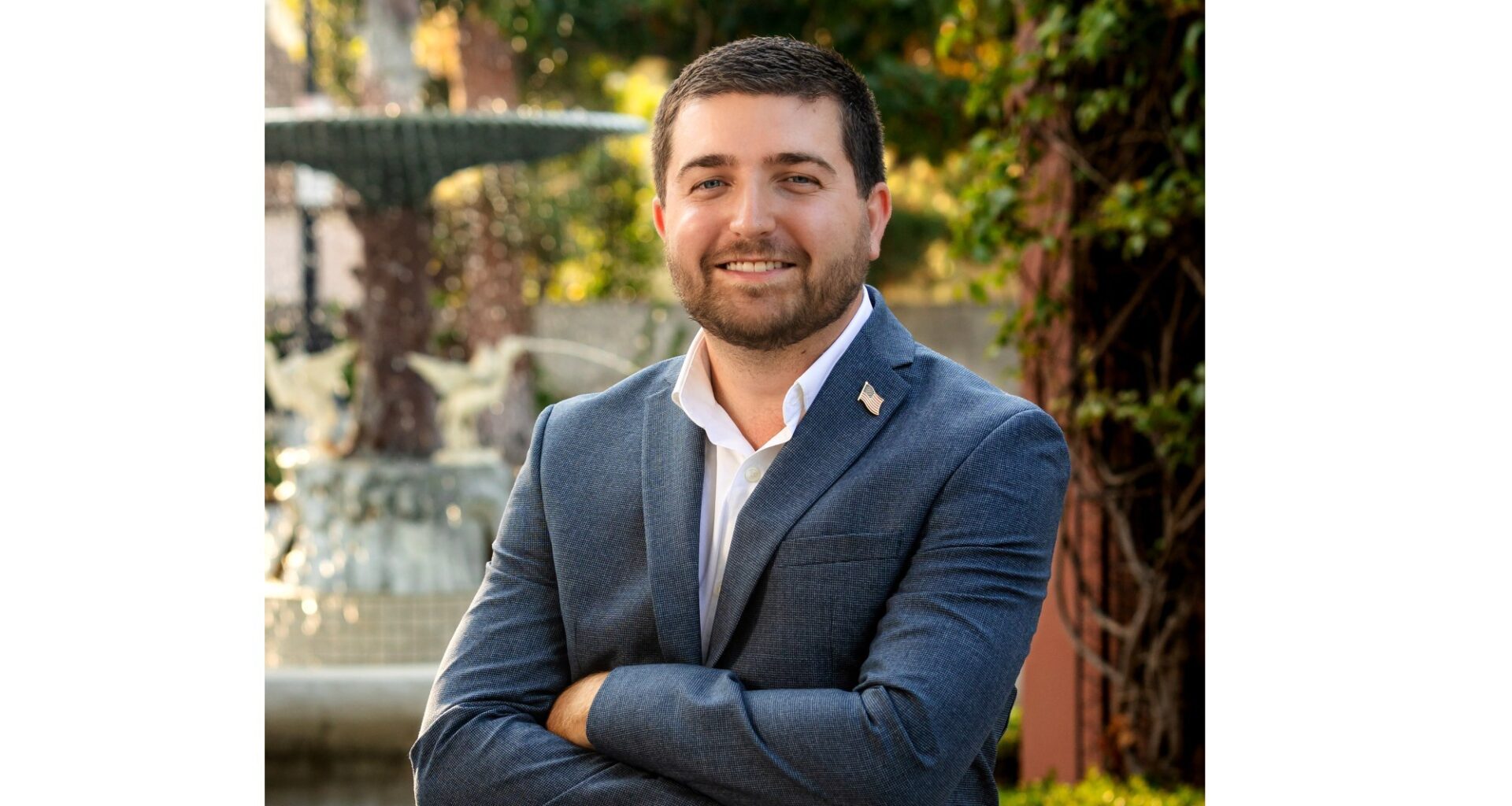
Ahead of the November general election, the Southern California News Group compiled a list of questions to pose to the candidates who wish to represent you. You can find the full questionnaire below.
Name: Albert “AJ” Ricci
Age: 31
Current job title: Real Estate Agent
Incumbent: No
Other political positions held: City of Orange Traffic Commission Vice Chair
City where you reside: Orange
Campaign website or social media: www.votericci.com
How can the city best meet the demand and mandates for more housing, including at lower price points, while also preserving local control and the quality of life for existing neighborhoods and residents? (Please limit your answer to 200 words or less.)
Sacramento’s housing mandates leave cities very little room. When a city’s housing plan falls out of compliance with the state, it loses its main legal tool to say no to a project on zoning grounds. Developers can bring proposals at densities far above what local zoning would normally allow, and the city has little recourse to stop them. Orange came close to this in 2023, when the state rejected our housing plan twice and warned the city it might be sidestepping the law. Look at Huntington Beach, after years of fighting state housing mandates in court, they lost at every level, including the U.S. Supreme Court, and now have restrictions on their own land-use authority while they scramble to catch up. That’s the outcome I want Orange to avoid. The way to keep real local control is to stay ahead of these requirements, have a compliant housing plan, direct new housing to the right locations, like transit corridors and underused commercial sites, and not give Sacramento the opening to take the decisions out of our hands. Every housing decision the city takes is now a defensive play.
How should the city balance rising costs, paying off debts, such as pension liabilities, and building reserves, all while meeting residents’ needs? Should a solution involve finding new revenue, economic development, trimming the budget, or something else entirely? (Please limit your answer to 200 words or less.)
Orange’s costs have grown the way most costs do, labor, healthcare, and inflation, but our revenue hasn’t kept pace. The private sector plans for 3% to 4% cost increases every year as a matter of course. The city has been treating those same increases like a surprise, year after year. That gap, not any single bad decision, is the real driver of Orange’s structural deficit. The fastest way to raise revenue without asking residents to vote for another tax is to grow the tax base itself. Updating our outdated land use table to open the door to the right commercial and mixed-use development, in the right corridors, brings in new sales tax and business revenue without taking more out of every paycheck. That has to be paired with real discipline on spending and staffing, so we are not still chasing this same gap five years from now. Reserves exist to get us through a bad year, not to paper over a structural problem year after year. Pension costs and debt service are fixed obligations we have to plan for and not push into the future. Growth funds the services people expect. Discipline makes sure it lasts.
The public expects transparency from public leaders in spending and governance. How can this be achieved? How can the city do better in this area? (Please limit your answer to 200 words or less.)
Orange recently launched its Open Finance portal, which puts city revenue and spending into a format residents can actually use instead of burying it in a few hundred pages of a budget report. That’s the right direction, and the city should build on it. Most residents won’t read a budget document, but they will watch something built the way the apps they already use every day are built, simple, visual, a few seconds to understand. That’s the idea behind my initiative, “It’s Your City. Learn How to Use It.” The city should take a more active role in civics education, breaking down how city government actually works, what the general fund is, why pension costs are fixed, what a structural deficit means, through short, plain-language content residents will actually watch. Real transparency isn’t posting more documents online. It’s making city government understandable enough that ordinary residents can follow a decision before it’s made, not just react after.
In your opinion, what is the biggest need your city faces, and how would you address it? (Please limit your answer to 200 words or less.)
Orange’s biggest need is a steady revenue base that actually keeps pace with the cost of running the city. Labor, healthcare, and pension costs rise every year like clockwork, but our commercial and business revenue base hasn’t grown fast enough to keep up, and that gap is the real source of our structural deficit. The city has recently started talking about becoming more business friendly and removing development hurdles, which tells you plainly that it hasn’t been a real priority until now. I’d address this by updating our outdated land use table to direct the right kind of commercial and mixed-use development toward corridors that can support it, cutting the red tape that pushes businesses to open in neighboring cities instead of Orange, and treating business retention and attraction as a core function of city government, not an afterthought. Every dollar in new, ongoing business revenue is a dollar we don’t have to ask residents for through a new tax. This isn’t about chasing one big project. It’s about consistent, steady growth in our own tax base so Orange can fund the services residents expect without falling further behind every single year.
Why would you make a good leader, and how would you represent the diverse communities of your city? (Please limit your answer to 200 words or less.)
I’ll tell you what you need to hear, not just what you want to hear. That’s the kind of leadership Orange needs right now; someone who will ask the hard questions about spending, staffing, and city operations, even when the answer isn’t popular, so residents always know where we stand. I’m focused almost to a fault on results, not political theater. I don’t think council meetings are the place for national political fights the city has no authority over, and I won’t waste residents’ time on virtue signaling when there are potholes to fix, budgets to balance, and businesses that need a faster permit process. That focus is exactly how I represent Orange’s communities, the same standard, the same responsiveness, and the same willingness to listen, whether you’re a homeowner in Orange, a small business owner trying to make it, a renter of one of Orange’s beautiful homes, or a family that just moved here. Good representation isn’t about which group you’re speaking to. It’s about showing up, listening honestly, and following through on what this council actually controls, for every resident, every time.