

 SACRAMENTO, Calif. —
California voters are set to decide measures and races at the local, state and federal levels in the upcoming 2026 midterm elections this November.
For this cycle, voters will elect their U.S. representative using maps that were redrawn to favor Democrats. Californians adopted Proposition 50, which created maps using redrawn districts targeting five Republicans that in turn affected the boundaries of neighboring districts.
Gov. Gavin Newsom and other top Democratic leaders advocated for the new maps as part of a national redistricting battle for control of Congress, which can see shifts in power after midterms.
Californians will also decide on 14 statewide propositions, with issues including taxes, elections, housing and the environment.
Below, you can find our guide on what people in Northern California can expect to see on their November ballot. Bookmark this page as we continue to add to our guide.
California statewide races on the November ballot
This content is imported from infogram. You may be able to find the same content in another format, or you may be able to find more information, at their web site.
Governor
This content is imported from infogram. You may be able to find the same content in another format, or you may be able to find more information, at their web site.
Californians will elect a new governor of California in this election.
Democrat Xavier Becerra and Republican Steve Hilton are vying for the most important statewide job.
Ashley Zavala has sat down with both candidates to get their takes on key issues.
Ahead of Nov. 3, both candidates faced off in a debate hosted by CNN. See takeaways here as they discussed issues including immigration, homelessness, data centers, artificial intelligence and more.
Lt. Governor
This content is imported from infogram. You may be able to find the same content in another format, or you may be able to find more information, at their web site.
Democrat Fiona Ma will go up against Republican Gloria Romero for the office of California Lieutenant Governor.
Ma has served as state treasurer and as Assembly Speaker Pro Tempore, while Romero served as State Senate majority leader in the early 2000s.
A key part of the lieutenant governor’s job requires the lieutenant governor to be ready to step in as governor at a moment’s notice. They serve as acting governor when the governor is out of the state.
Attorney General
This content is imported from infogram. You may be able to find the same content in another format, or you may be able to find more information, at their web site.
Democratic incumbent Rob Bonta will face off against Republican challenger Michael Gates for the position of California’s top officer and lawyer.
Newsom nominated Bonta in 2021 to the position after Becerra resigned to become U.S. Health and Human Services secretary.
Meanwhile, Gates told KCRA 3 that he wants to reverse course on crime policies and advocate for increased prison and jail capacity.
Secretary of State
This content is imported from infogram. You may be able to find the same content in another format, or you may be able to find more information, at their web site.
Democratic incumbent Shirley Weber seeks to hold her position as the state’s chief elections officer. She faces Republican challenger Donald Wagner.
Shirley said she wants to strengthen support for counties in their election processes and expand the state’s archives to include ancestry resources.
Wagner seeks election reform to address what he calls “ghost voters,” also publicly supporting voter ID requirements.
State Controller
This content is imported from infogram. You may be able to find the same content in another format, or you may be able to find more information, at their web site.
This is another statewide race where a Democratic incumbent faces off against a Republican challenger.
Cohen seeks reelection for the office responsible for tracking and protecting the state’s public funds. The state controller also audits state spending and chairs the Franchise Tax Board.
Morgan, who touted his decades of work in finance for major Wall Street firms, said he plans to modernize the state’s financial operations through regular audits and by using artificial intelligence to improve efficiency.
Treasurer
This content is imported from infogram. You may be able to find the same content in another format, or you may be able to find more information, at their web site.
Republican Jennifer Hawks will compete against Democrat Eleni Kounalakis for the Office of Treasurer, which serves as California’s banker, investor and lead manager of state assets.
Kounalakis served as California’s lieutenant governor for the past eight years, and she said she wants to understand the inner workings of the state’s financial operations.
According to Hawks’ campaign page, she wants to address fraud, wasteful spending and debt.
Insurance Commissioner
This content is imported from infogram. You may be able to find the same content in another format, or you may be able to find more information, at their web site.
It’s Democrat against Democrat in the race to become California’s insurance commissioner. This position is responsible for regulating the state’s insurance industry, as well as implementing and enforcing all insurance laws. This race comes as the state faces a homeowners insurance crisis as several private insurance companies have left the state due to devastating and costly wildfires.
Ben Allen is a current state senator and said the 2025 Los Angeles wildfires spurred him to launch his campaign. He said he aims to speed up the rate review process, expand customer service operations and strengthen enforcement.
Jane Kim is an attorney and served on the San Francisco Board of Supervisors. If elected, she said she would invest time in understanding the agency’s operations and leadership and establish a state program for universal natural disaster insurance.
Superintendent of Public Instruction
This content is imported from infogram. You may be able to find the same content in another format, or you may be able to find more information, at their web site.
Candidates Richard Barrera and Sonja Shaw are competing for the nonpartisan office of state superintendent. This will be the first election since oversight of the California Department of Education shifted to the governor’s office instead of the state superintendent.
Barrera has served as president of the San Diego Unified School Board for 18 years and wants to improve student performance through a unified approach with specific educational goals. He also claims his track record of keeping a balanced budget every year would help in improving student outcomes.
Shaw is president of the Chino Valley Unified School Board and said the COVID-19 pandemic spurred her journey from concerned parent to political advocate. Shaw said her priorities would include ensuring compliance with federal Title IX regulations, protecting girls in locker rooms and sports, involving parents in decision-making, and focusing education on reading, writing and math.
California propositions on the ballot
This content is imported from infogram. You may be able to find the same content in another format, or you may be able to find more information, at their web site.
Proposition 1 – Bonds for housing affordability programs
This content is imported from infogram. You may be able to find the same content in another format, or you may be able to find more information, at their web site.
California’s housing crisis is top of mind for many in the state, and one possible solution voters will mull is Proposition 1, also known as the Veterans and Affordable Housing Bond Act of 2026.
What it would do: Approve an $11.25 billion bond to help low-income families, farmworkers, students, foster youth and veterans find affordable housing.
Where the money would come from: $10 billion would come from general obligation bonds, meaning the state borrows the money now and repays it over time using taxpayer dollars. The other $1.25 billion would fund Cal-Vet home loans for veterans, with this portion paid back through veterans’ mortgage payments.
What supporters say: This would help thousands of Californians realize a dream of owning a home.
What opponents say: This would be money thrown at a problem with no end in sight.
Read more about Proposition 1 here
Proposition 2 – Bolstering California’s rainy day fund
This content is imported from infogram. You may be able to find the same content in another format, or you may be able to find more information, at their web site.
Could the state have access to more money in a pinch? Voters will make the call on whether the current limit on pulling from the general fund is enough in case financial challenges arise.
What it would do: It would double California’s rainy-day fund cap from 10% to 20% of annual tax revenue.
What supporters say: Recent years have shown that 10% does not cover hardship sufficiently, citing an estimated $101 billion surplus from 2022-2023 that progressed to a $47 billion deficit for 2024-2025. There are concerns that the current cap is leading to the risk of scaling back services such as fire protection, education and healthcare.
What opponents say: California doesn’t have a revenue problem but rather a spending problem. Some argue that surplus tax revenue should be used to pay off debts and provide tax cuts.
Read more about Proposition 2 here
Proposition 3 – Permanent funding for schools and health care
This content is imported from infogram. You may be able to find the same content in another format, or you may be able to find more information, at their web site.
A temporary tax affecting California’s wealthiest taxpayers is set to expire in 2031. This proposition would make the tax permanent.
What it would do: Extend this tax on higher earners, with roughly 40% of the funding from the revenue going toward schools, community colleges and other state programs.
What supporters say: This would positively impact public education, as well as the general fund, which is used to pay for several programs Californians rely on.
What opponents say: Reduce the amount of disposable income for people in the middle class, upper middle class and wealthy categories.
Read more about Proposition 3 here
Proposition 4 – Repeals prohibition on offering public funding of candidate election campaigns
This content is imported from infogram. You may be able to find the same content in another format, or you may be able to find more information, at their web site.
If passed, this proposition would repeal a prohibition on state and local governments offering public funding of candidate election campaigns.
What it would do: Allow politicians in that area to use the money approved by Prop 4 for their campaigns as long as they meet certain thresholds.
What supporters say: California is the only state that bans public funding of campaigns and that special interests want to keep the ban to protect their power.
What opponents say: Prop 4 would allow special interest money in politics, arguing that this would fund politicians’ negative campaigns.
Read more about Proposition 4 here
Proposition 5 – Recall election process changes
This content is imported from infogram. You may be able to find the same content in another format, or you may be able to find more information, at their web site.
Could the process of removing an elected official from office become as simple as asking one question? That’s what voters will decide through Proposition 5.
What it would do: Remove the current second section of a recall election that asks voters to choose a successor, which would mean voters would be asked that in a separate process.
What supporters say: The current method for a recall is a political weapon to try to seize power because the first question asking if someone should be recalled requires a majority vote. However, the second question asking who the successor should be does not.
What opponents say: How officials would be replaced and what the cost of a special election would be, citing Newsom’s failed recall attempt in 2021 that cost taxpayers $276 million.
Read more about Proposition 5 here
Proposition 37 – Home loan program
This content is imported from infogram. You may be able to find the same content in another format, or you may be able to find more information, at their web site.
Middle-class Californians could receive assistance in buying a home under this proposed measure.
What it would do: Create a $25 billion loan program through revenue bonds funded by private investments to help those who qualify with up to 17% of their down payment.
What supporters say: This could help renters become homeowners and increase middle-class housing availability.
What opponents say: That some of the people who qualify for the loans will still not be able to afford them.
Read more about Proposition 37 here
Proposition 38 – Bonds for immunology medical research
This content is imported from infogram. You may be able to find the same content in another format, or you may be able to find more information, at their web site.
Voters this year will decide whether public money should be used to fund medical research.
What it would do: Direct roughly $8.5 billion to California nonprofit organizations that focus on immunology and immunotherapy research, which includes research on diseases such as cancer, Parkinson’s, ALS and MS. Of that total money, about half would go toward an unnamed institute affiliated with UCLA.
What supporters say: The research could help many families struggling with the related diseases, and breakthroughs in research have a chance of generating profit.
What opponents say: Taxpayers should not pay for this proposition and that bonds sound like free money, but they’re not.
Read more about Proposition 38 here
Proposition 39 – Voter ID requirements
This content is imported from infogram. You may be able to find the same content in another format, or you may be able to find more information, at their web site.
California could become the 37th state to require voter ID if Californians approve Proposition 39.
What it would do: If approved, government-issued ID would be required for in-person voting, and those submitting mail-in ballots would need to provide the last four digits of their ID on the ballot envelope. This would also create a new, state-issued voter ID card at no cost to those who request one.
What supporters say: This is a bipartisan solution to concerns about voting integrity that could restore public trust and confidence in elections.
What opponents say: This could suppress voter turnout, compromise personal information, delay election results and cost the state millions.
Read more about Proposition 39 here
Proposition 40 – One-time tax for the wealthiest
This content is imported from infogram. You may be able to find the same content in another format, or you may be able to find more information, at their web site.
If approved, Proposition 40 would create a first-in-the-world tax on California’s billionaires.
What it would do: Impose a one-time 5% tax on billionaires living in the state to address federal cuts made to health care, education and food assistance. Ninety percent would go toward health care, while 10% would support schools and food assistance.
What supporters say: This measure could raise $100 billion and help address looming financial challenges.
What opponents say: This tax could drive billionaires out of the state and harm California’s budget.
Read more about Proposition 40 here
Proposition 41 – Regulating state taxes
This content is imported from infogram. You may be able to find the same content in another format, or you may be able to find more information, at their web site.
This is one of two measures aimed at challenging any future taxes similar to proposals such as Proposition 40.
What it would do: Require audits of any new special taxes before they are presented to voters. Additionally, revenue from such taxes would count toward the state spending limit, potentially allowing taxpayers to receive refunds instead of the funds being allocated to other state programs and services.
What supporters say: This would give voters transparency on where their dollars are going.
What opponents say: This is a “billionaire-funded trick to undo the billionaire tax.”
Read more about Proposition 41 here
Proposition 42 – Prohibiting new state personal property taxes and certain retroactive state taxes
This content is imported from infogram. You may be able to find the same content in another format, or you may be able to find more information, at their web site.
This is the second of two measures intended to challenge future proposals such as Proposition 40.
What it would do: Ban new state taxes on personal property and assets, including retirement accounts, personal savings and investments.
What supporters say: A yes on Prop 42 would protect funds veterans invested in.
What opponents say: Similar to what they’re saying about Prop 41.
Read more about Proposition 42 here
Proposition 43 – Limit on revenue raised for local government services
This content is imported from infogram. You may be able to find the same content in another format, or you may be able to find more information, at their web site.
It could soon become harder to pass new special taxes in cities and counties in California.
What it would do: Make it more difficult to enact new taxes by addressing a 2017 California Supreme Court decision that lowered the threshold for citizen-led special tax measures.
What supporters say: It would restore the original intent and language of Prop 13 in response to what they call a “train wreck path” of increasing taxes.
What opponents say: This measure may run the risk of jeopardizing funding for essential services.
Read more about Proposition 43 here
Proposition 44 – Community health clinic spending
This content is imported from infogram. You may be able to find the same content in another format, or you may be able to find more information, at their web site.
The way community health clinics spend taxpayer dollars may change depending on whether voters approve or reject this measure.
What it would do: Require federally qualified health centers (FQHCs) to spend 90% of their revenue on program services and report their financial records. FQHCs that don’t meet that 90% would face penalties.
What supporters say: This would increase accountability and ensure the money is being spent on direct patient care.
What opponents say: FQHCs are already stretched thin after recent funding changes and funding already goes into providing vital services.
Read more about Proposition 44 here
Proposition 45 – Environmental review for certain projects
This content is imported from infogram. You may be able to find the same content in another format, or you may be able to find more information, at their web site.
Certain construction projects could ramp up their pace if voters approve Proposition 45.
What it would do: Prop 45 could clear hurdles imposed by the California Environmental Quality Act (CEQA) more quickly, allowing projects such as housing, bridges and clean energy infrastructure to be designated as “essential.” That designation sets a one-year limit for environmental reviews and a 270-day deadline for CEQA lawsuits against these projects.
What supporters say: Some environmental lawsuits have resulted in tens of millions of dollars in extra costs for projects.
What opponents say: This could weaken environmental protections for air and water. Some also worry that this could help fast-track the construction of data centers without adequate review.
Read more about Proposition 45 here
Northern California congressional racesU.S. House District 1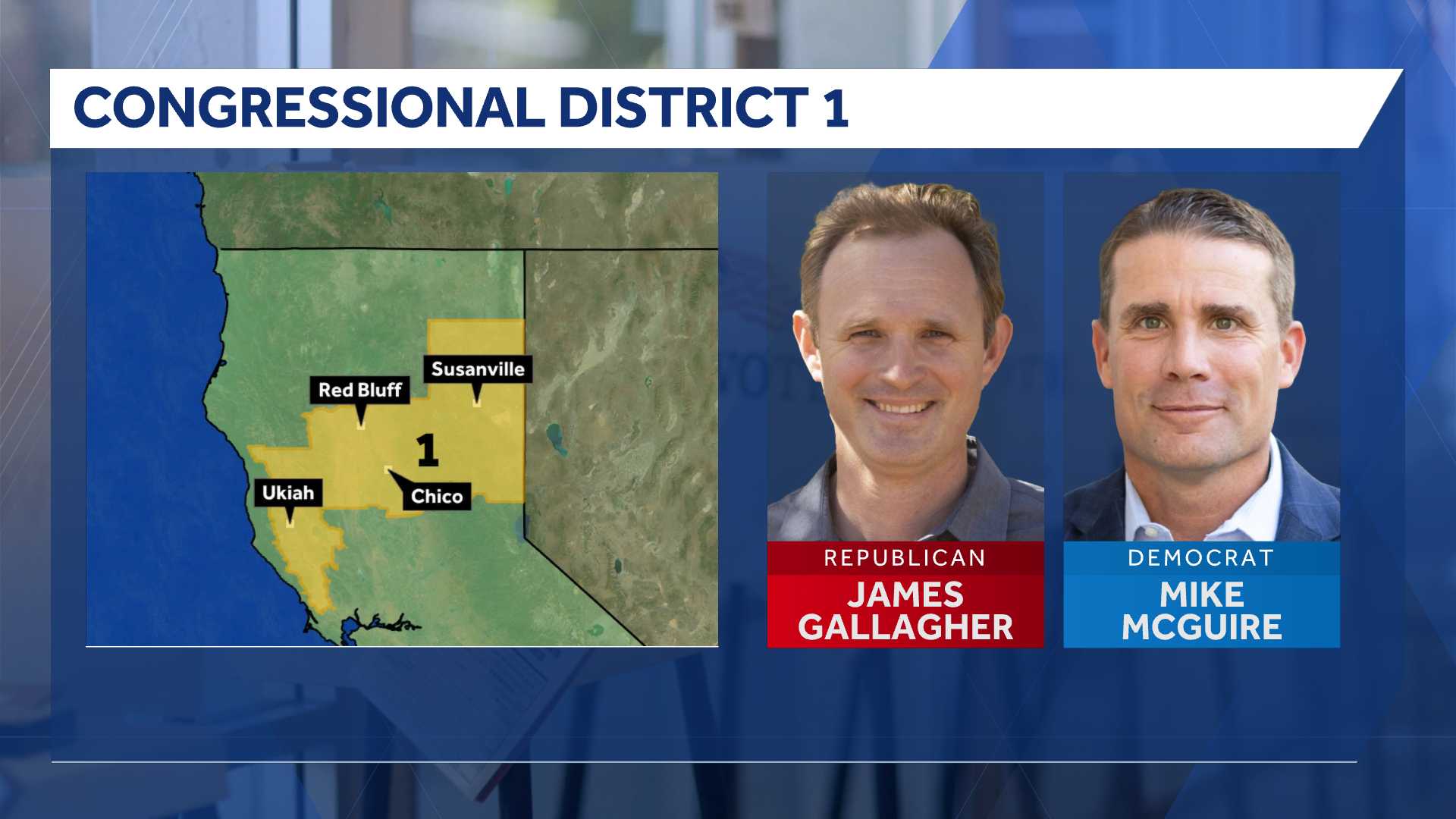
This is one of the five Prop-50 targeted districts redrawn to favor Democrats. Republican James Gallagher hopes to keep the seat he recently took following the death of Doug LaMalfa, his longtime friend and congressional colleague. Meanwhile, Democrat Mike McGuire will attempt to take the seat from Gallagher.
U.S. House District 3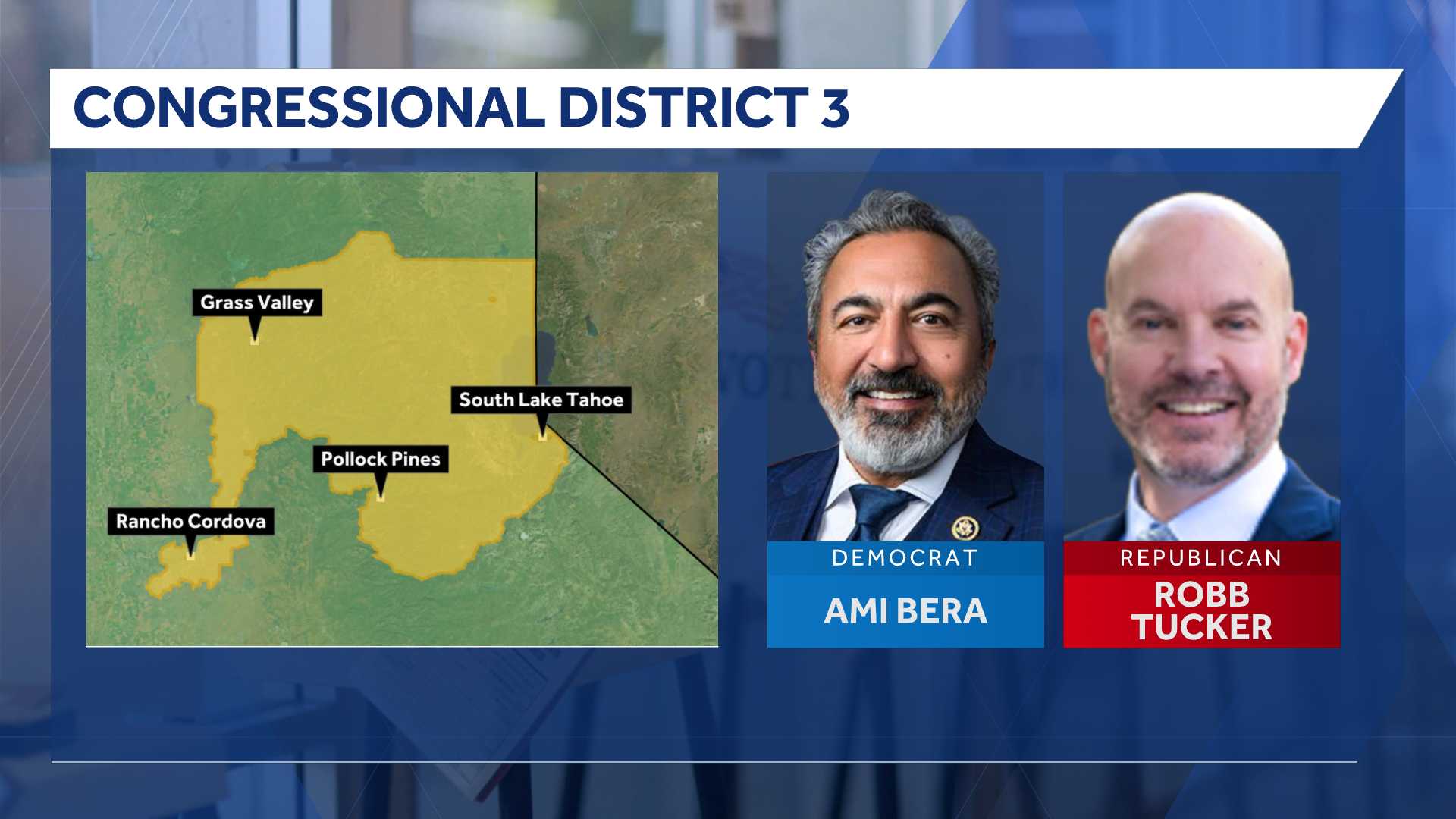
This is also a Prop 50-targeted district. Democrat Ami Bera, who had originally served in District 6, chose to run in this district, which was last held by Republican-turned-independent Kevin Kiley. His opponent, Republican Robb Tucker, currently serves on the Nevada County Board of Supervisors.
The other three targeted districts are 22, 41 and 48.
| RELATED | See an interactive map of the California congressional districts under Prop 50
U.S. House District 4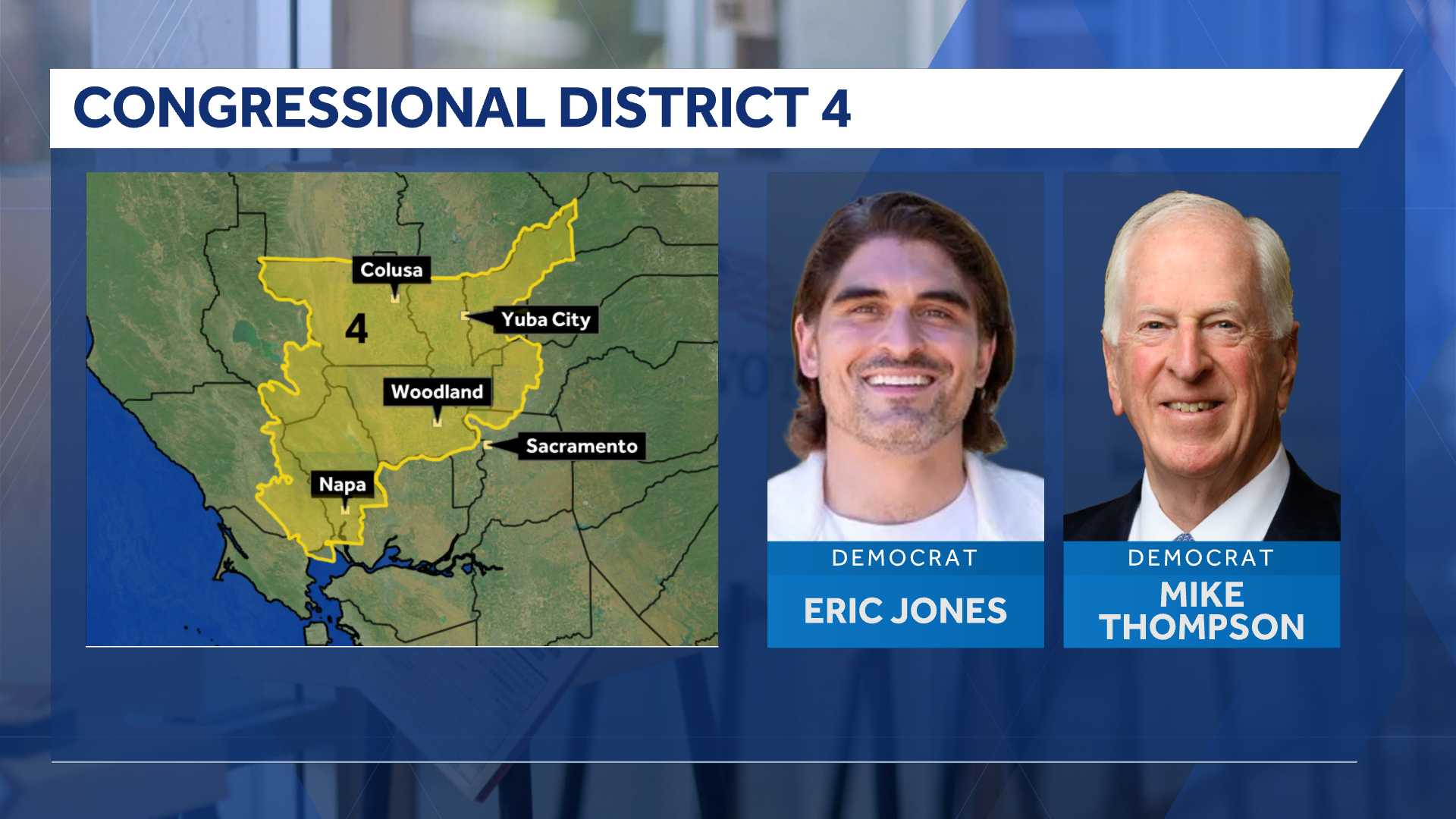
It’s Democrat vs. Democrat this year, with longtime incumbent Mike Thompson facing challenger Eric Jones.
Thompson, who was first elected to Congress in 1998, advanced in the June primary with more than 40% of the vote. Jones has experience working in corporate America and serves as an executive of a nonprofit organization.
We interviewed both candidates earlier in the year ahead of the June primary. See their previous responses on core issues here.
U.S. House District 5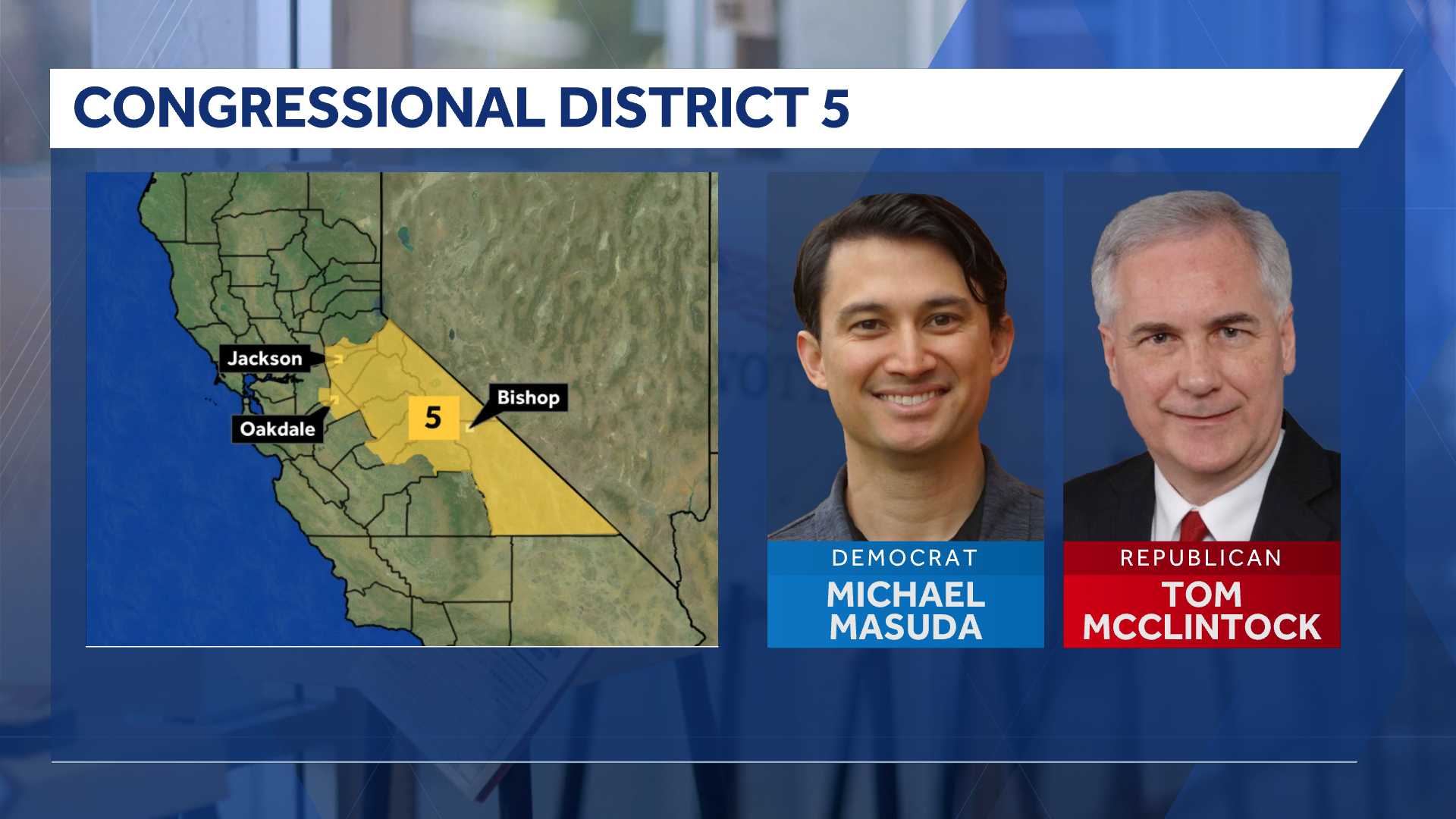
Republican incumbent Tom McClintock aims to keep his seat in this district, having handily won the primary with more than 60% of the vote. Democratic challenger Michael Masuda received an endorsement from the California Democratic Party during its 2026 State Convention.
We interviewed both candidates earlier in the year ahead of the June primary. See their previous responses on core issues here.
U.S. House District 6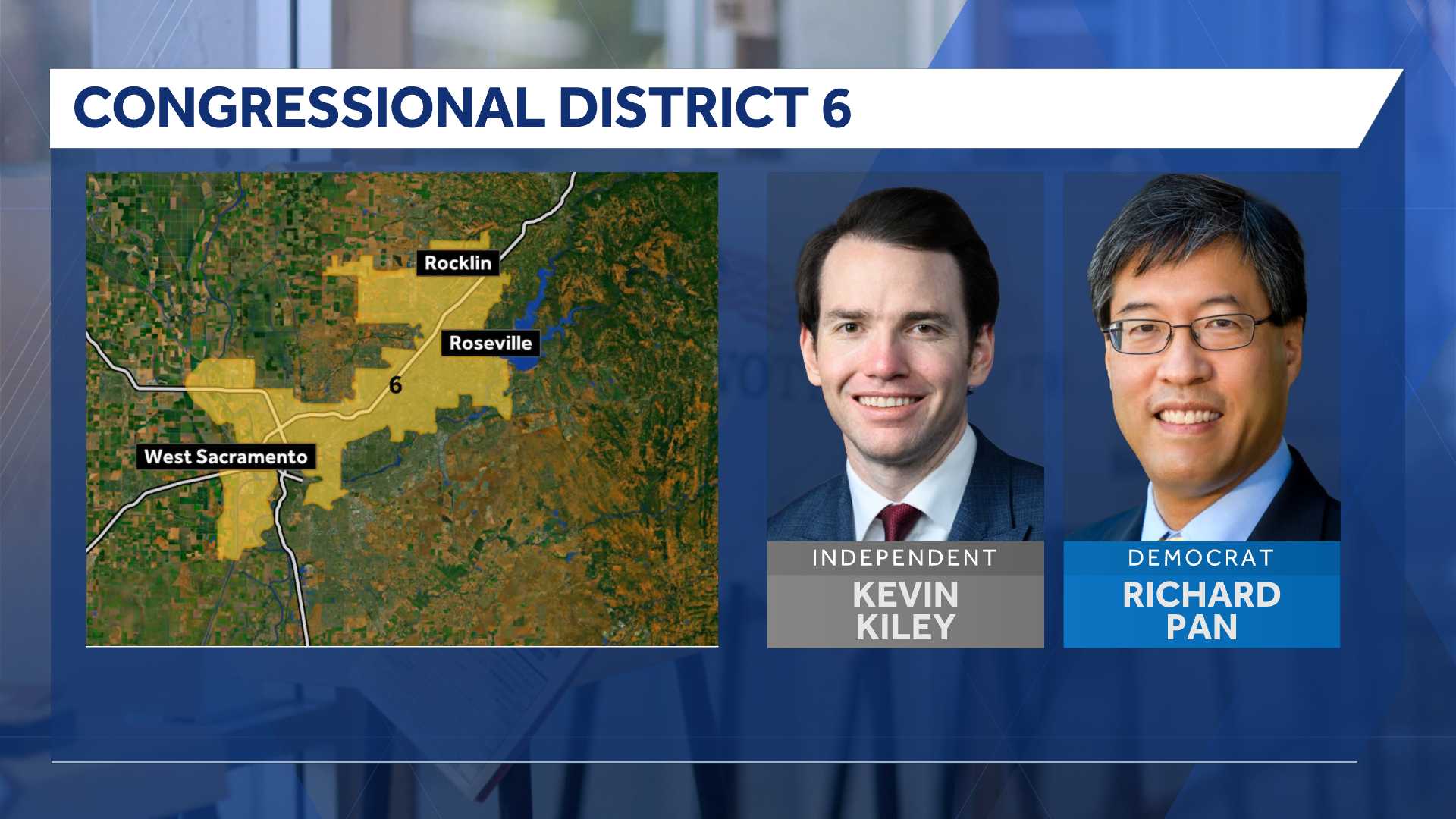
Kevin Kiley, who has served in Congress as a Republican for years, made the choice to run for District 6 rather than his longtime District 3 after Prop 50’s maps largely altered District 3. Now, he’s running as an independent.
His challenger: Democrat Richard Pan, a former state assemblymember and state senator. He also has a background in the medical field.
We interviewed both candidates earlier in the year ahead of the June primary. See their previous responses on core issues here.
U.S. House District 7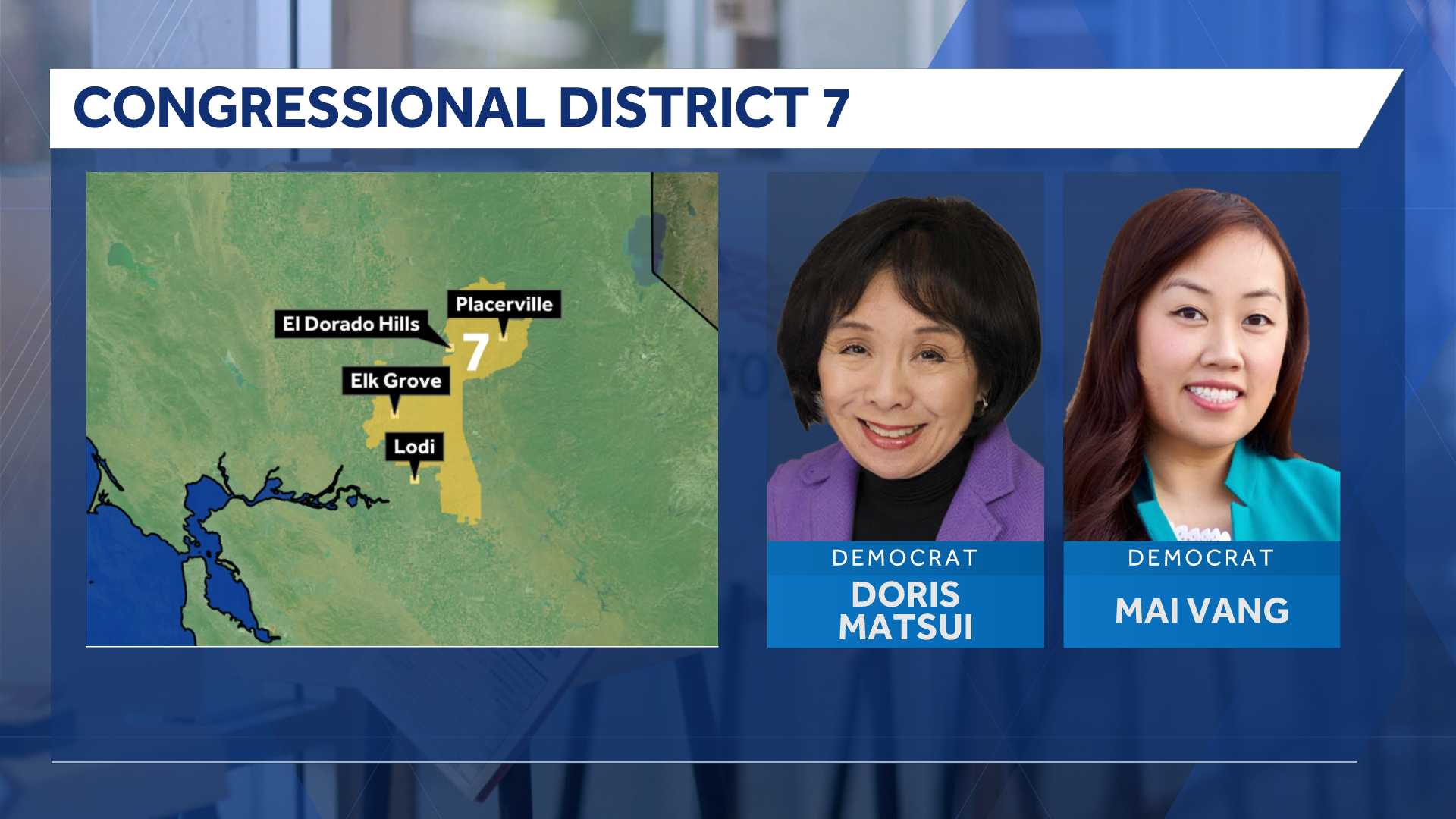
Two Democrats. Two different backgrounds. One is Doris Matsui, who’s been in office since 2005. The other is Mai Vang, who’s currently serving on Sacramento’s city council.
The two clashed during a debate in late August, where both traded jabs on different issues and their experience serving others. See a recap here.
U.S. House District 8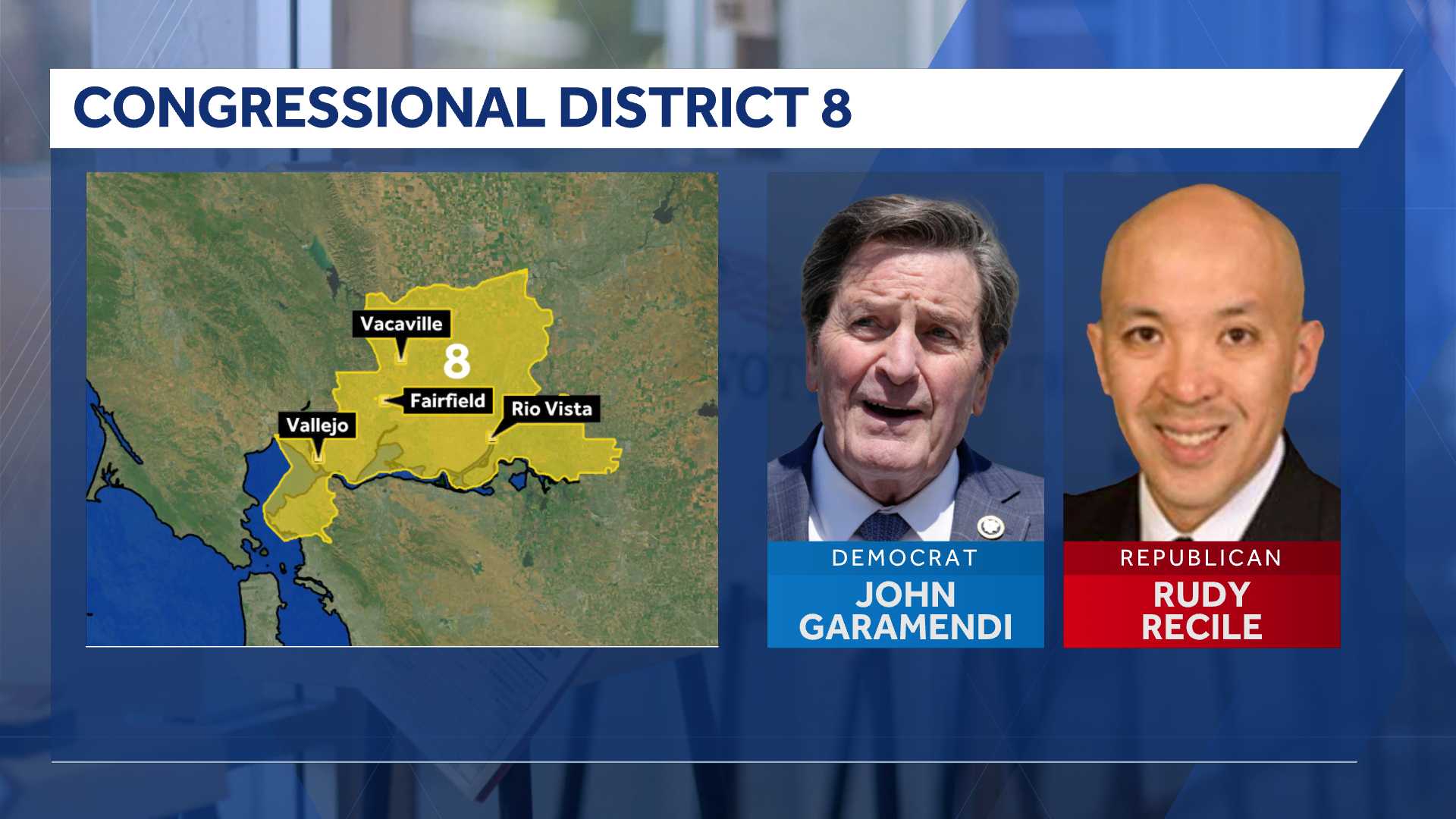
Democratic incumbent John Garamendi and Republican challenger Rudy Recile will compete for this district’s seat for a third time in a row, having gone against each other since the 2022 election. Garamendi garnered more than half of the votes in the June primary, compared to Recile’s 27.8%.
U.S. House District 9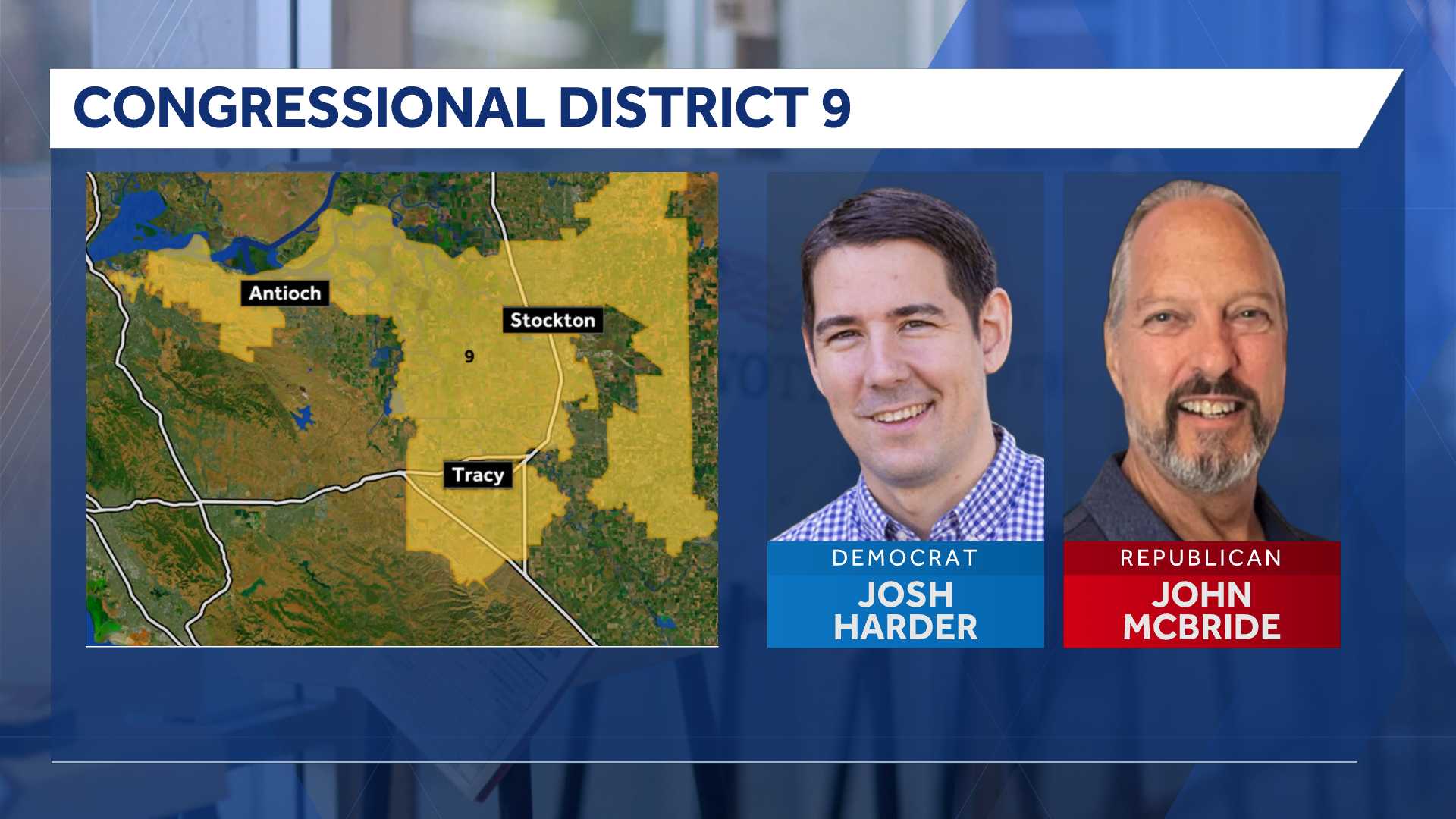
Democratic incumbent Josh Harder is set to face off against Republican challenger John McBride. Harder was first elected to Congress in 2018, and McBride is a small business owner and community volunteer.
We interviewed both earlier in the year ahead of the June primary. See their previous responses on core issues here.
U.S. House District 13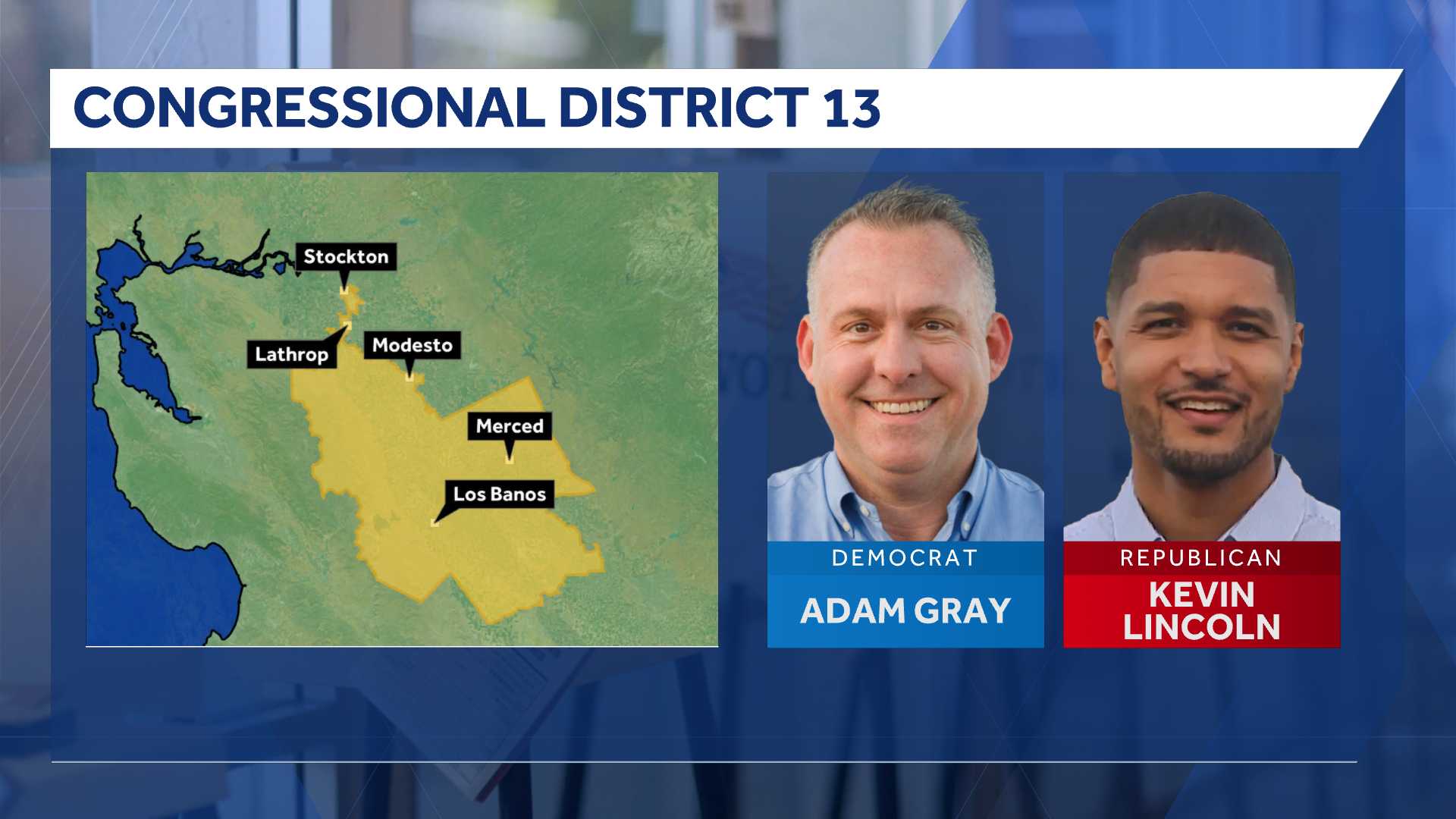
Democratic incumbent Adam Gray will run against challenger and former Stockton Mayor Kevin Lincoln.
We interviewed both earlier in the year ahead of the June primary. See their previous responses on core issues here.
This content is imported from infogram. You may be able to find the same content in another format, or you may be able to find more information, at their web site.
See more coverage of top California stories here | Download our app | Subscribe to our morning newsletter | Find us on YouTube here and subscribe to our channel | Make KCRA a preferred news source in Google