
.JPG "Patrick Fontes, a fourth-generation Mexican American from Fresno, overcame gang life to become a historian focused on immigration, Chicano history and community activism.")
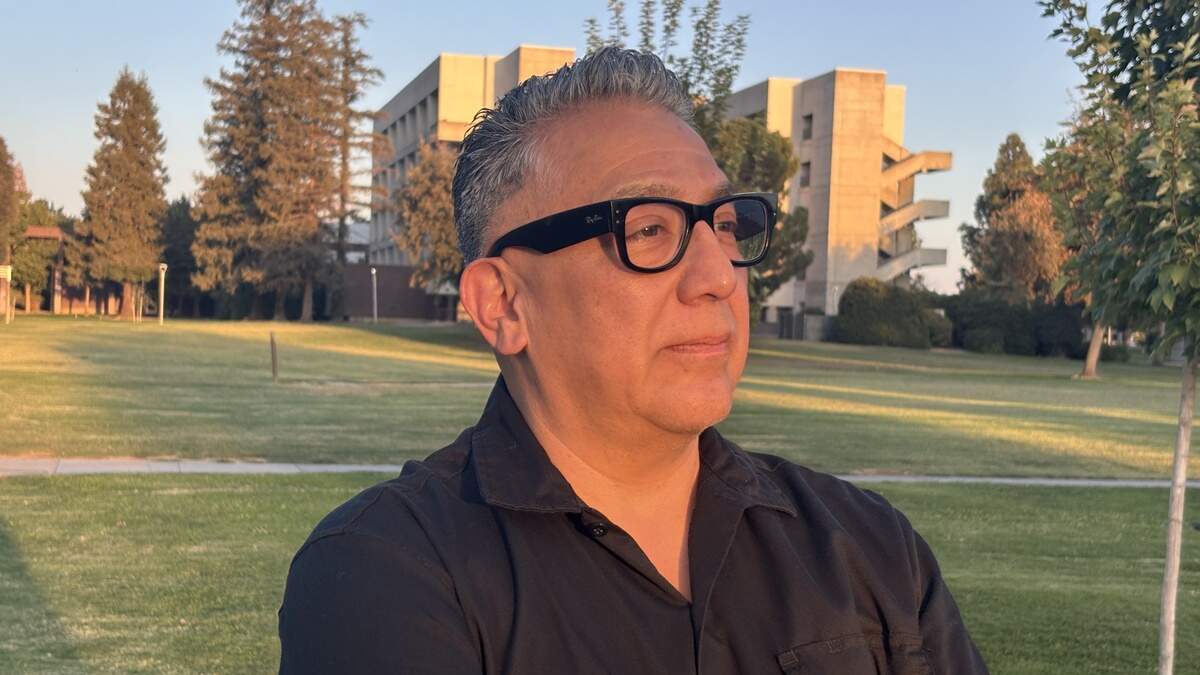
Patrick Fontes, a fourth-generation Mexican American from Fresno, overcame gang life to become a historian focused on immigration, Chicano history and community activism.
María G. Ortiz-Briones
The Fresno Bee
FRESNO
A fourth-generation Mexican American from Fresno, Patrick Fontes went from a troubled youth involved in gangs and street fights to becoming a Ph.D.-holding historian.
Despite growing up poor and facing family challenges, the 55-year-old’s love for reading and education transformed the trajectory of his life. It led him to Fresno City College, Fresno State and, eventually, Stanford, where he earned a Ph.D. in U.S. history with a focus on immigration and Chicano history.
“I’m not exaggerating when I say I got in about 100 street fights, multiple concussions. I was stabbed in a gang fight, stunned by police officers, always in the back of a paddy wagon, in and out of juvenile hall — just crazy stuff. I’m surprised I’m not dead,” Fontes said.
He grew up in the Tower District and often experienced poverty after his parents, both farmworkers, divorced.
Fontes, who teaches at Clovis Community College and Fresno State, emphasizes the importance of education and activism.
“In the current environment, I want to encourage young people to put away their phones to open their eyes to what’s going on, hit the streets, be smart and make real change,” Fontes said. “Because our democracy is being attacked, our rights are being taken away.”
.JPG "MOB_ Patrick Fontes_09-30-26_MOB (1).JPG") Patrick Fontes, a fourth-generation Mexican American from Fresno, overcame gang life to become a historian focused on immigration, Chicano history and community activism. María G. Ortiz-Briones The Fresno Bee
Patrick Fontes, a fourth-generation Mexican American from Fresno, overcame gang life to become a historian focused on immigration, Chicano history and community activism. María G. Ortiz-Briones The Fresno Bee
Fontes said most people don’t know their history. What is happening now with immigration enforcement from the federal government also happened in the 1930s, he said, when immigration officials raided downtowns, kicked open doors, put people on trains and buses and shipped them off with no resources.
Fontes said his great-grandparents immigrated to the United States in 1917 during the Mexican Revolution. He has early memories of working in the fields with his grandparents and witnessing “la migra” raids. La migra is a Spanish slang term used to refer to immigration enforcement authorities, specifically the U.S. Border Patrol and Immigration and Customs Enforcement.
“Even though it’s horrific right now what is happening, these are ongoing episodes in American history as we deal with white supremacy and who’s the rightful American. And we see it happening now with Trump,” Fontes said.
At least 20 people were detained Tuesday in ICE arrests in Fresno, Madera, advocates said. The arrests came a little over a week after the Department of Homeland Security said it had “initiated a nationwide public safety surge in sanctuary cities.”
“It’s an underlying issue in American society that needs to be dealt with because if we don’t deal with it, it’s going to happen again in 40 years, again and again.”
Fontes was involved in founding a Mexican Heritage Center in Fresno, dedicated to preserving the Mexican experience in the Fresno County area.
He also is working on a manuscript titled “Paradise Shackled,“ about the criminalization of Mexican immigrants in Fresno County from 1890 to 1945. He spent about a year and a half at the Superior Court archives in Fresno and researched about 1,000 criminal court cases from that time. He examined how different immigrant groups were treated by the justice system during that period.
Fontes has a message for youth who, like him, grew up poor and in “the barrio.”
“You have it in you to do it. Set goals, don’t let anything stand your way and just target that goal,” he said. “You can do it because even though no one tells you, you’re just as smart as anyone at the university. You have the power within you to do it.”
Esta historia fue publicada originalmente el 7 de octubre de 2026 a las 7:09 a. m..
Artículos relacionados Fresno Bee
The Fresno Bee
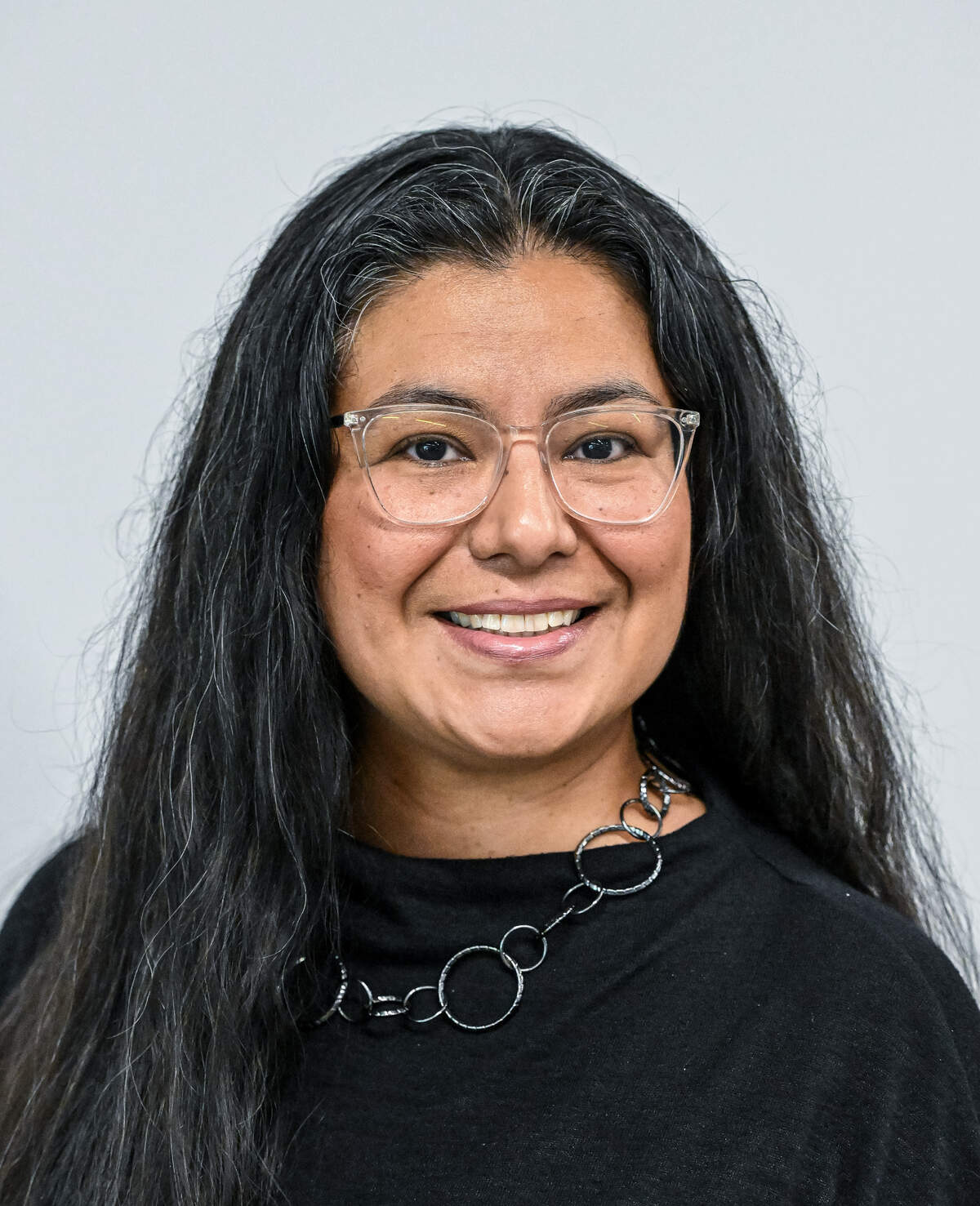
María G. Ortiz-Briones is a reporter and photographer for McClatchy’s Vida en el Valle and the Fresno Bee. She covers issues that impact the Latino community in the Central Valley. She is a regular contributor to La Abeja, The Bee’s free weekly newsletter on Latino issues. | María G. Ortiz-Briones es reportera y fotógrafa de Vida en el Valle de McClatchy y el Fresno Bee. Ella cubre temas que impactan a la comunidad latina en el Valle Central. Es colaboradora habitual de La Abeja, el boletín semanal gratuito de The Bee sobre temas latinos.
Apoye mi trabajo con una subscripción digital