
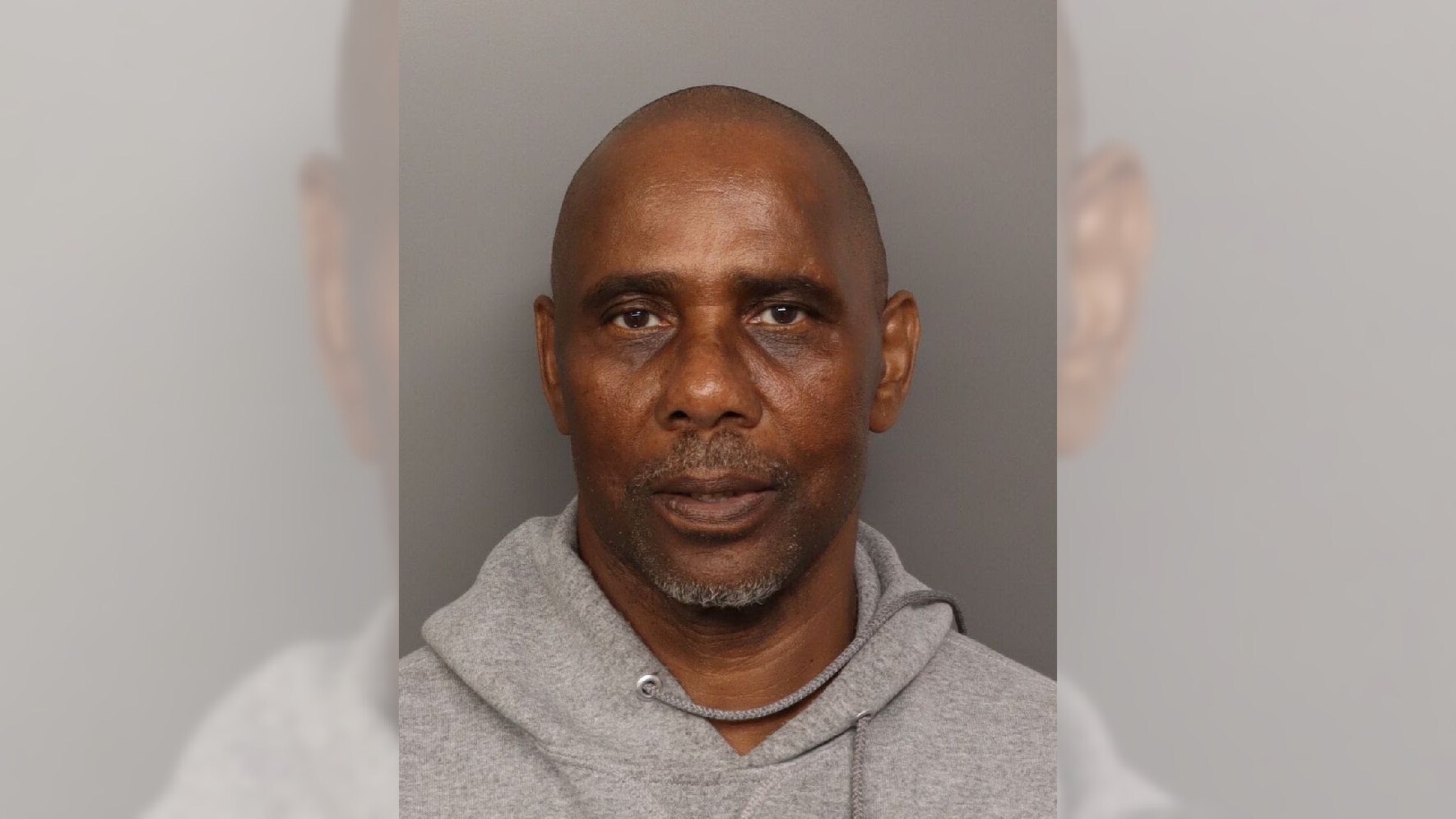
Nearly two weeks after a sexually violent predator in Rancho Bernardo cut off his GPS device and fled, the county Board of Supervisors unanimously agreed Wednesday to oppose proposals to place three more sexually violent predators in the region.
The vote comes as authorities continue to search for Merle Wakefield, a sexually violent predator, or SVP, who fled from work at a warehouse on Sept. 25.
The board on Wednesday also agreed to write a letter to the Department of State Hospitals, which treats sexually violent predators, and Liberty Healthcare, the contractor that supervises SVPs on conditional release, to ask them what they are doing to help find Wakefield and how they will ensure a disappearance like his does not happen again.
Next week, a San Diego Superior Court judge will consider Liberty’s request to place SVPs Michael Poulsom and Reynaldo Delrosario, who have been cleared for conditional release, in the rural community of Boulevard. Separately, SVP John Phillips in Borrego Springs has also been cleared for release. On Monday, a Superior Court Judge granted Phillips’ release to a home in Borrego Springs, according to the District Attorney’s Office.
Supervisors Jim Desmond and Joel Anderson won their bid to have the board send a letter of opposition to the judge reviewing where to place the men. The agenda item, signed by the pair, cited Wakefield’s disappearance and said State Hospitals and Liberty “have demonstrated that they are not able to adequately protect San Diego residents” from SVPs in the community.
“We do not want any more of these sexually violent predators placed in San Diego County until Wakefield is caught and measures are taken to make sure this doesn’t happen again,” Demond said during Wednesday’s board meeting.
Liberty Healthcare referred comment regarding the board’s opposition to State Hospitals, which did not immediately respond for comment.
The board has opposed placements before, but “it’s important to ratchet up our opposition,” Anderson said during the meeting.
“When the system fails to protect our residents, we have a responsibility to speak up, demand answers, and do everything we can to keep our communities safe,” Anderson said in a statement issued after the vote.
People legally found to be sexually violent predators have been convicted of a violent sex crime and diagnosed with a mental condition that makes them likely to re-offend. It’s a relatively small group, and they are court-ordered to live in a state hospital after serving their prison sentence.
It is a civil commitment, not a criminal one, and they are considered hospital patients. Some of them opt to take part in a treatment program that could result in their release back into communities but under tight restrictions such as GPS monitoring. Those who fail conditional release can be sent back to the hospital for further treatment.