
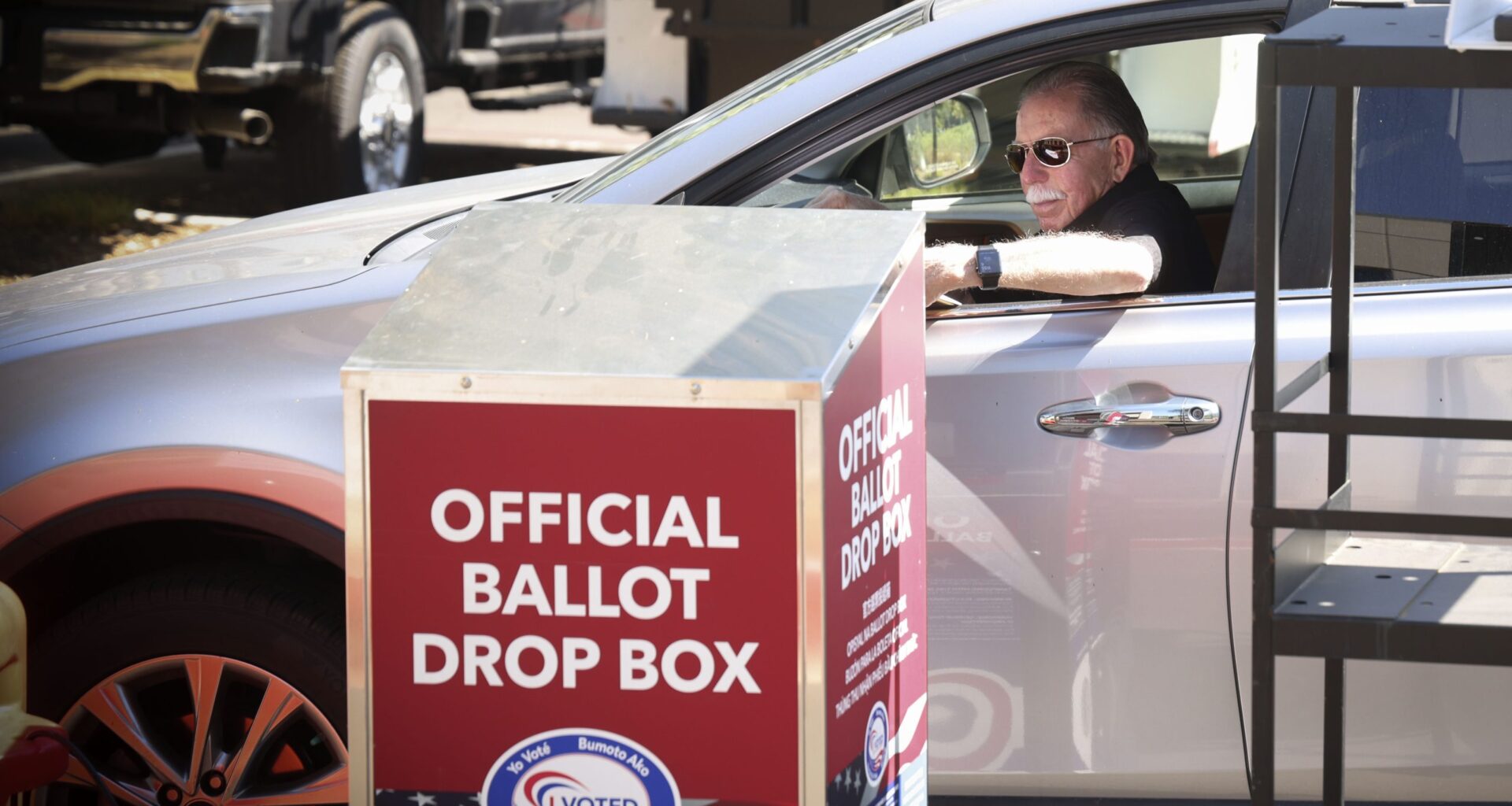
Days after inewsource revealed the U.S. Justice Department had sent five subpoenas for voter records to local officials, a majority of San Diego County’s elected supervisors and members of its congressional delegation reacted to the news, calling the apparent federal fishing expedition “unprecedented” and “deeply concerning” with some calling for the subpoenas to be released.
Many of the elected officials also reiterated that there is no evidence of widespread voter fraud.
The subpoenas were sent to the county Registrar of Voters Office between June and Sept. 16.
inewsource has filed a public records request for copies of the subpoenas and communications with federal authorities requesting voting records. The county extended the response deadline to Oct.15 to consult with other agencies that have an interest in the disclosure of the records.
We filed the records request to report on what the feds want — and what the county is giving them — during what experts say is an unprecedented investigation of the U.S. election system.
DOJ subpoenas target San Diego voter records—help us find out why.Give $10
In response to questions from inewsource, Registrar of Voters Office spokespersons said that the subpoenas generally sought information that the county is required to disclose under state and federal law like registration records and voting history but not how an individual voted. They said the county provided the requested records “to the extent required and permitted by law.”
San Diego county supervisors called for transparency and the release of the records.
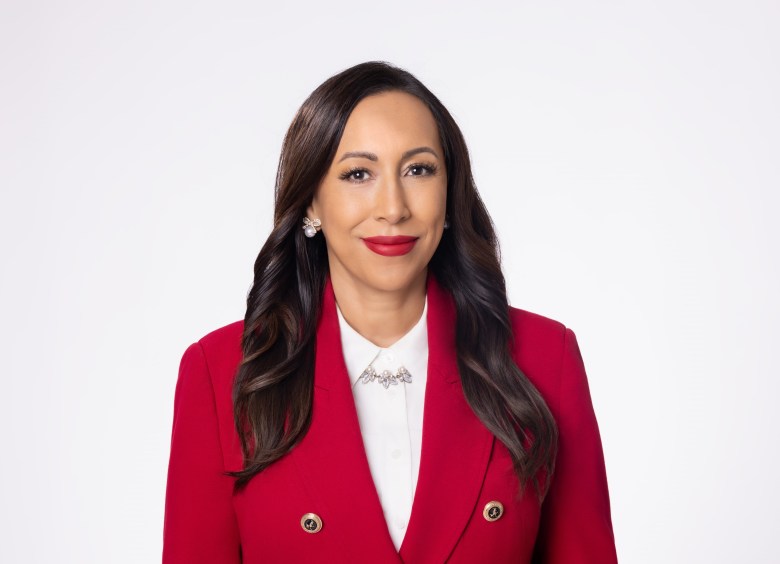
“I believe in being open with the public,” District 1 Supervisor Paloma Aguirre told inewsource. “People have a right to know what was asked for and what the County gave. If the law allows it, release them. Just keep voters’ private information out.”
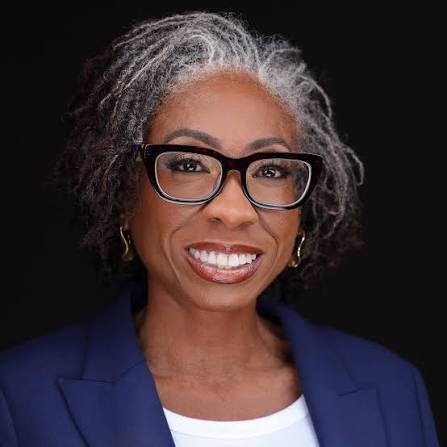
“Whatever the federal government is investigating, San Diegans deserve transparency about how their voter information is being used and confidence that their rights and personal information are being protected,” District 4 Supervisor Monica Montgomery Steppe said.
Experts and a former U.S attorney said that these types of subpoenas from the Justice Department are rare. The San Diego County Registrar confirmed that it received just one subpoena for voter records from the DOJ in 2025 and no subpoenas for voter records at all in 2024 or 2023.
Phil Talbert was the U.S Attorney for the Eastern District of California in Sacramento for six years during the first Trump and Biden administrations, and worked at the Justice Department for nine years.
He said, “Nothing like this took place in the Eastern District of California during my time there.”
“Ballots are already out in a lot of places,” he said. “At some point, the department’s supposed to stand down and not take any steps that are public in nature that might influence an election.”
Talbert recalled only one case of voter fraud during his time as U.S. attorney.
A Homeland Security Investigations official said last month that the Trump administration’s effort to remove noncitizens from voter rolls has led to about 1,600 voter fraud cases and 160 arrests. The country has 211 million active registered voters. Trump and his aides have claimed without proof tens and even hundreds of thousands of noncitizens are illegally registered to vote.
Starting Thursday, inewsource began asking all five members of San Diego County’s Board of Supervisors and the five members of the county’s delegation in the U.S. House of Representatives questions about the subpoenas.
The one member of Congress and the two county supervisors from San Diego County who belong to President Donald Trump’s Republican Party did not respond to our questions.
U.S. Rep Darrell Issa and County Supervisor Jim Desmond, who is running for Issa’s open seat, did not respond to requests for comment, and a spokesperson for Supervisor Joel Anderson said he couldn’t respond due to illness. Anderson attended board meetings remotely this week.
San Diego County Board of Supervisors chair Terra Lawson-Remer also did not respond to a request for comment. She was the only Democrat among the seven surveyed not to respond.
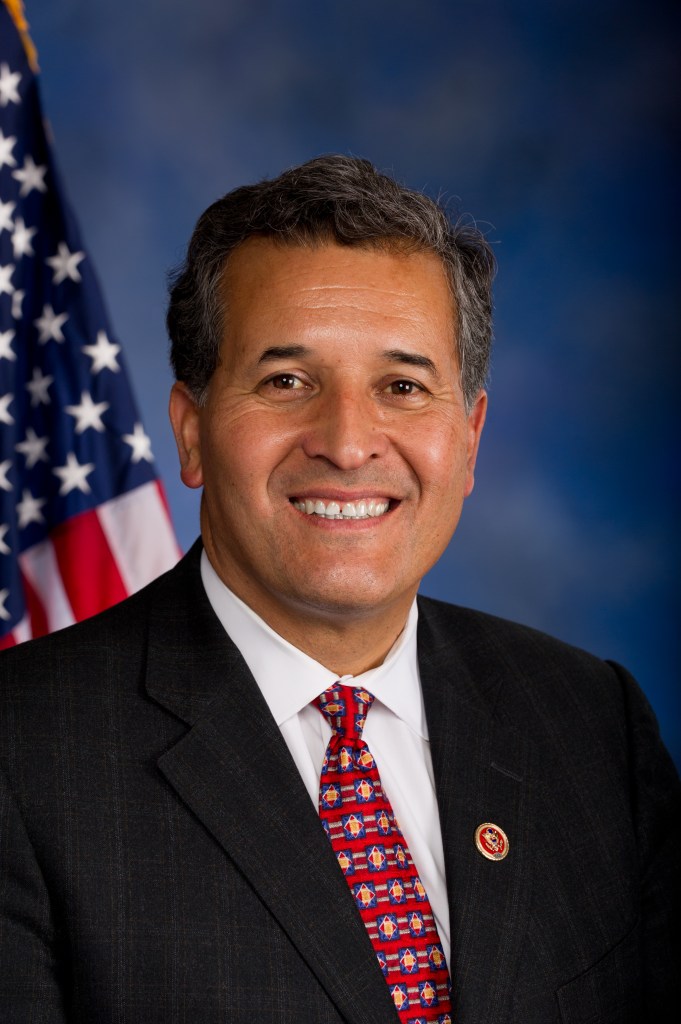
“The Trump Administration has repeatedly tried to undermine confidence in our elections and restrict the right to vote,” U.S. Rep. Juan Vargas said. “I will be seeking answers and will continue to work to protect fair and free elections for all.”
Others criticized the Justice Department’s actions or demanded more information from it.
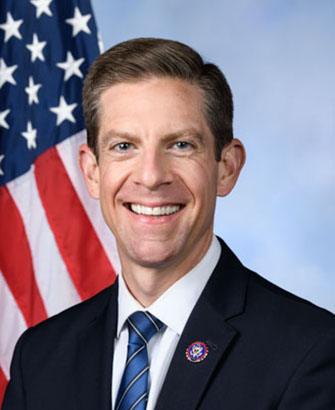
“Legitimate law enforcement investigations should follow the facts,” said U.S. Rep. Mike Levin. “These investigations should not begin with the President’s false claims about widespread voter fraud and proceed with a search for evidence to support a predetermined political narrative. With elections in California already underway, the DOJ needs to explain why this information is being sought, how it is being used, and what safeguards are in place to protect voters from intimidation or misuse of their personal information.”
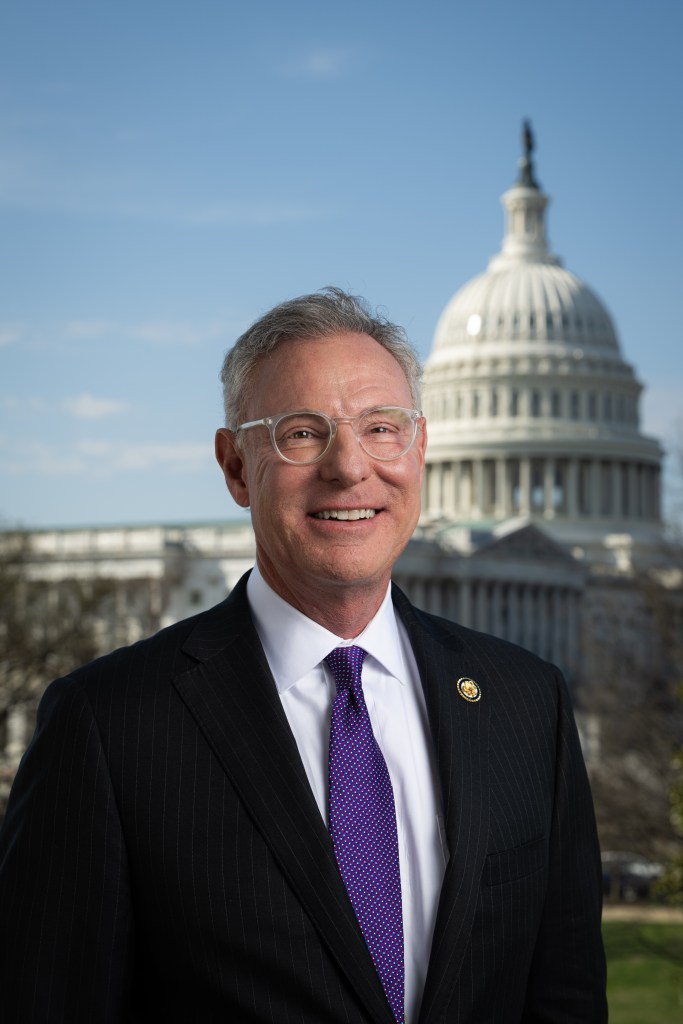
U.S. Rep. Scott Peters said that “rather than chasing exceedingly rare instances of fraudulent ballots, the Department of Justice should focus on catching violent criminals who are a real threat to our communities.”
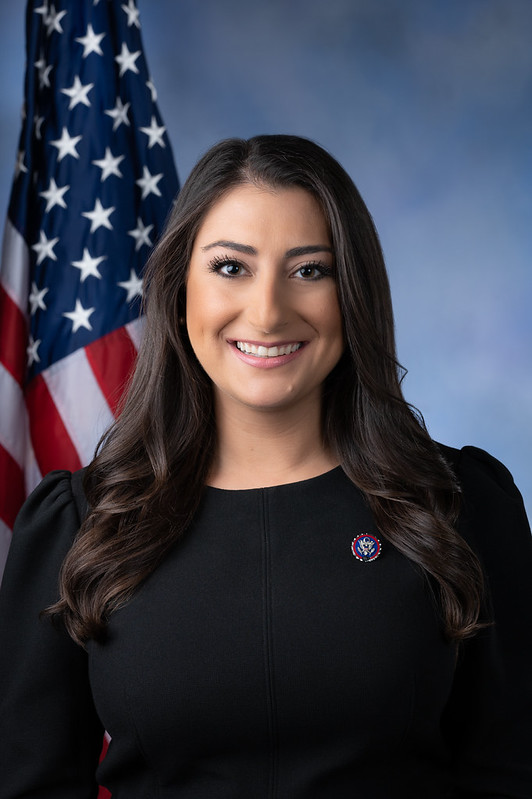
U.S. Rep. Sara Jacobs called the subpoenas yet another “scare tactic to stifle turnout and kick people off the rolls.”
Every elected official was sent these same questions:
Are you concerned about voter fraud in San Diego County?
What do you think of the DOJ subpoenas?
Are you aware of other similar activities by the DOJ in San Diego County?
What limits or safeguards should apply when federal investigators seek identifiable voter records, and what oversight should Congress provide?
Should the subpoenas be made public in full or in part? Why or why not?
What do you make of the county’s nondisclosure position?
When did you first learn of the subpoenas?
Here are the full responses we received.
Type of Content
News: Based on facts, either observed and verified directly by the reporter, or reported and verified from knowledgeable sources.


Journalism costs money. Less journalism costs society.
Your support makes independent local reporting possible.