
San Diego has been described as a startup city waiting to realize its full potential. I see it very differently. Our region does not need to become another Silicon Valley. We need to become the best version of San Diego.
Silicon Valley’s most apparent advantage is concentration. Stanford University and UC Berkeley exist within a highly concentrated network of venture capital firms, technology companies, experienced founders and specialized talent. The region generated about $69 billion in venture capital in 2025, illustrating the scale of that capital-driven model.
Our aim in San Diego should not be an attempt to replicate what Silicon Valley owns but to perfect a new model based on our own strength: connection.
San Diego has a unique combination of extraordinary assets: research institutions that include R1 research universities (UC San Diego and San Diego State University), a strong entrepreneurial culture, tourism, biotechnology and wireless companies, a thriving maritime economy, a significant defense presence and deep connections — especially in manufacturing — throughout the U.S.-Mexico border region.
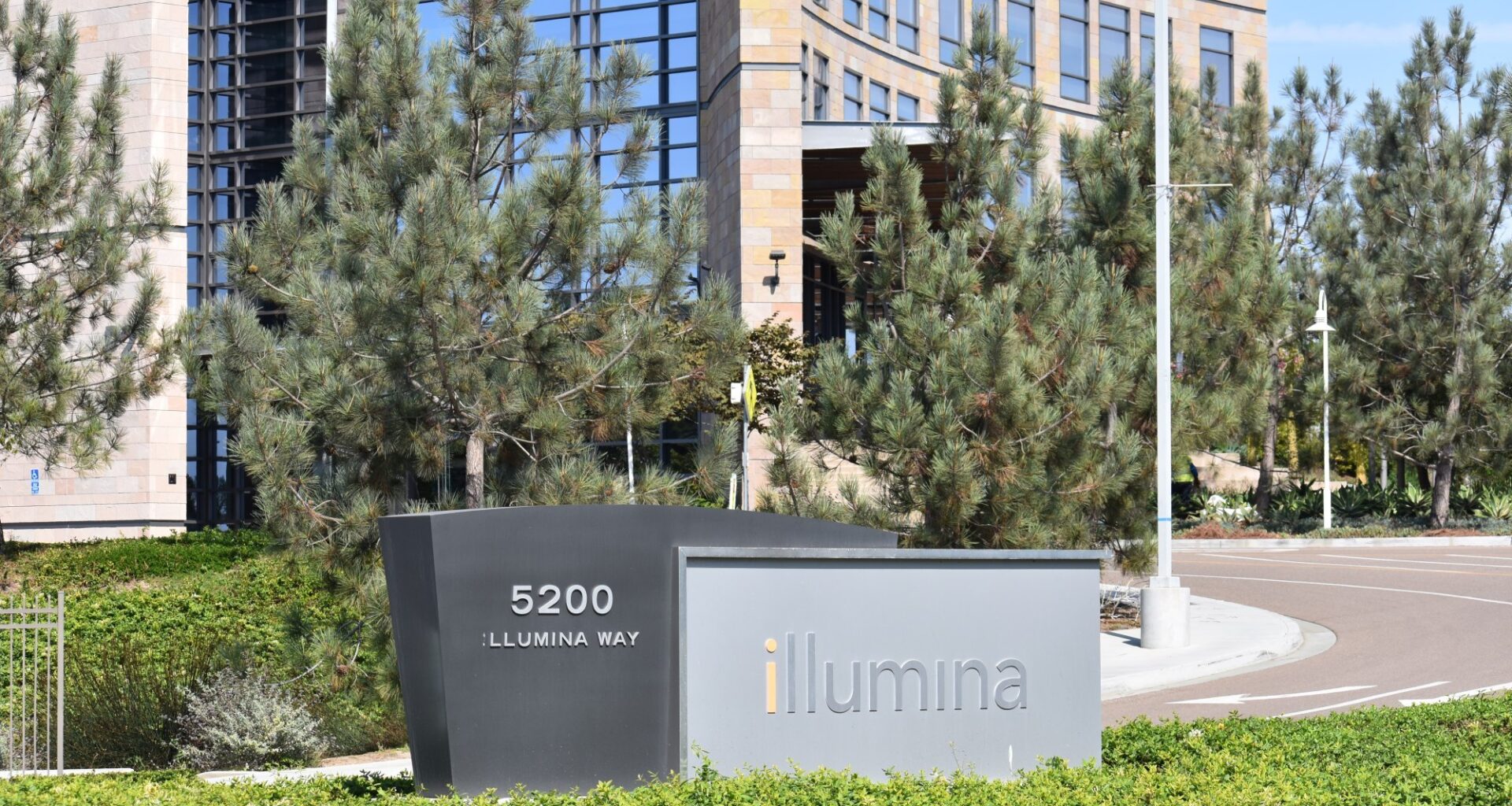
San Diego has $267 billion in annual economic output, more than about 20 other states as well as countries such as New Zealand and Greece. Qualcomm, Illumina, General Atomics, Dexcom, Amylin Pharmaceuticals and Solar Turbines — powerful, global companies — are among those founded right here in San Diego, and many have established partnerships with regional universities, including SDSU.
We also benefit significantly from being within Cali-Baja, a massive transborder region stretching from the ocean to Calexico and Mexicali that is home to about 7 million people and about $70 billion in annual cross-border commerce.
While Silicon Valley is almost entirely focused on technology, San Diego has a beautiful diversity in its economy and assets. And that economy works best when those assets are connected effectively and appropriately.
In my work, I meet researchers with discoveries that could become companies, entrepreneurs searching for the expertise to solve a challenge, and employers of all sizes looking for talent with skills that did not exist a decade ago. Rarely is the problem that San Diego lacks any of those things. Most commonly, they just need some help bringing those things together.
This is where public research universities like SDSU can make a distinctive contribution. Our role is not simply to generate discoveries or educate the next generation of workers. Our public mission and breadth of new and long-established partnerships position us as a connector for the people, ideas, expertise and opportunities that already exist across our region.
For example, at SDSU we’re partnering with major local institutions like Cal State San Marcos and the San Diego Zoo Wildlife Alliance to support commercialization of their innovations. Meanwhile, we have continued to enhance mechanisms available to connect discoveries and entrepreneurs with expertise, markets and capital by initiating a collaboration with alumnus-founded venture studio Launch Factory to supplement the resources already established through the ZIP Launchpad.
Our recently announced National Security Hub at SDSU Mission Valley will take that approach further, bringing researchers, startups, investors, government and national security leaders together. Supported by nearly $4 million from the state, it is expected to help more than 50 companies in its first two years and create more than 200 jobs.
But the measure of success cannot be the number of companies launched or dollars invested alone. San Diego’s next chapter and the further development of what is already a very powerful startup economy in our local region will depend on how well we connect our assets and how intentionally we share the resulting opportunity with the larger community.
Luckily for every San Diegan, our city and region benefit directly from having an already strong, connected and growing business ecosystem.
This ecosystem is driving economic growth and impact in our region, accelerated by organizations like the San Diego Regional Economic Development Corp. and its World Trade Center. Higher education is also fueling economic opportunity — making San Diego a model for how universities and their communities can build a more connected, inclusive and consequential innovation economy together.
Not like Silicon Valley, but the San Diego way.
Madanat, Ph.D., is the vice president for research and innovation and a distinguished professor of public health at SDSU. She lives in Sabre Springs.