
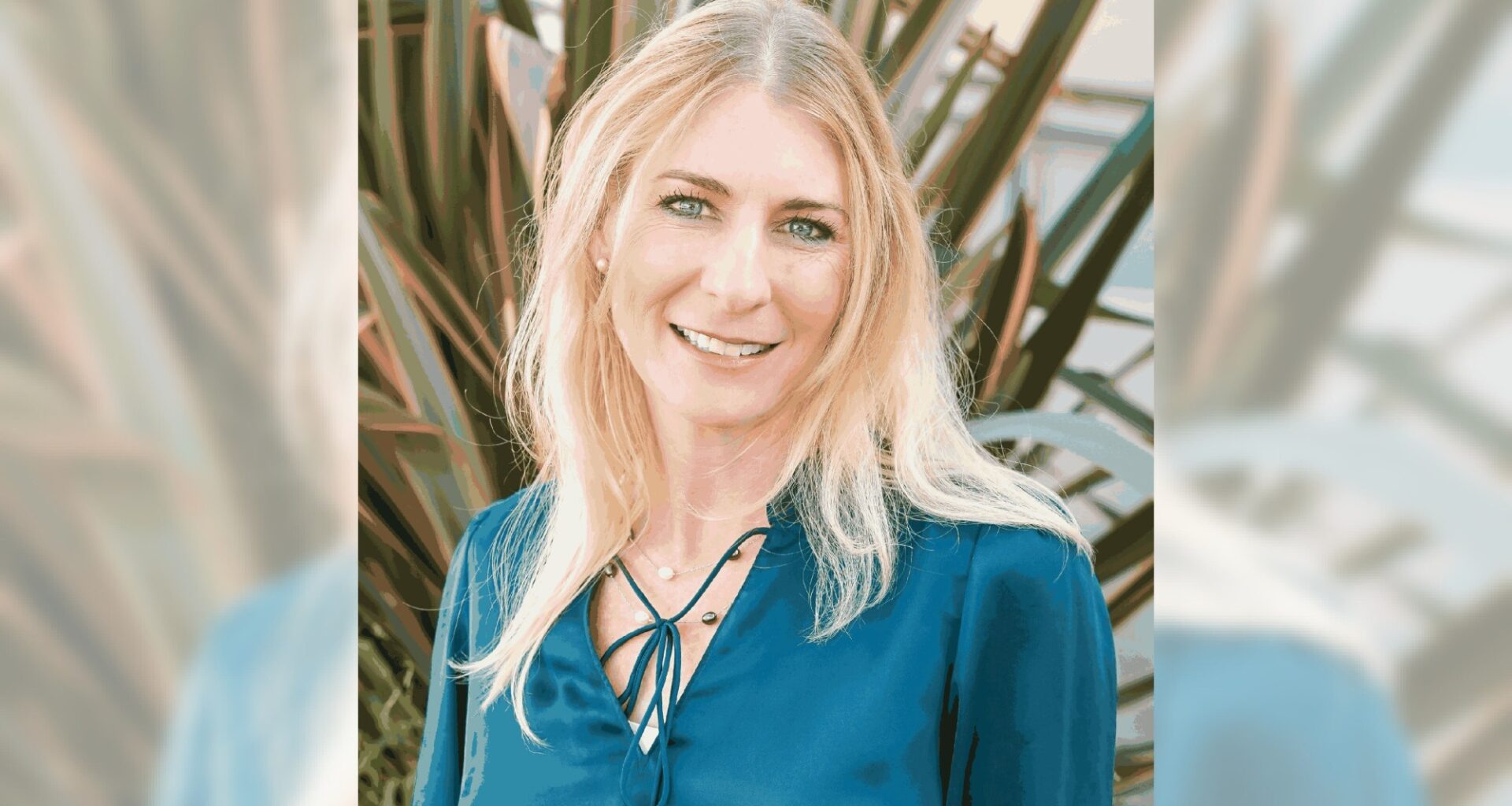
Summer Boger, 47, a wellness practitioner and part-time special education instructional assistant, is running for San Dieguito Union High School District trustee representing Area 3.
Why are you running for school board, and what makes you the best candidate? (150 words max)
I am running because every student deserves a district that is academically strong, financially responsible and responsive to families. I currently work part time as a special education instructional assistant across SDUHSD campuses, where I see both the dedication of our educators and the challenges students face.
I have spent more than 25 years as a small-business owner and health practitioner, more than 10 years advocating for families of children with special needs, and I raised two children who graduated with honors from San Dieguito Academy and attended four-year colleges.
I bring a practical, student-centered perspective: listen carefully, ask hard questions, use data honestly and make decisions based on what helps students learn. I will be an independent voice focused on academic achievement, sound budgeting and strong support for students with different needs.
What are the three most important issues currently facing your district? (150 words max)
The three most important issues are academic achievement, long-term financial stability and stronger support for students with disabilities.
First, the district must address uneven outcomes, particularly in mathematics, by examining results school by school and student group by student group and acting when students fall behind. Second, the board must confront projected deficits with transparent multiyear planning instead of postponing difficult decisions or using one-time money for ongoing expenses. Third, special education needs adequate staffing, training and resources so students receive timely, appropriate services and staff are supported.
These issues are connected: Responsible budgeting should protect classroom instruction and student services, while academic decisions should be measured by whether all students are learning and prepared for college, careers and life.
What are the top three specific things you would seek to accomplish on the board? (150 words max)
My priorities can be summed up as the ABCs: Academic achievement, budget accountability and college and career readiness.
First, I would launch a public academic-transparency dashboard with measurable goals and school-by-school reporting, particularly in mathematics and for students who are not meeting standards.
Second, I would strengthen budget accountability by requiring clear multiyear fiscal impacts before the board approves major spending commitments. Classroom instruction, teachers and student services should be protected.
Third, I would expand college and career opportunities, including career technical education, skilled-trades pathways, internships, mentorships and work-based learning. Students should graduate prepared not only for a four-year college but also for community college, technical training, military service, a skilled career or entrepreneurship. The board should set clear goals for each priority, measure results and make adjustments when programs are not delivering.
How should your school district raise student academic achievement, and what would you do as a board member to accomplish that? (150 words max)
Districtwide averages can give the public an incomplete picture of student achievement. SDUHSD often reports results as a districtwide average, but students are experiencing different outcomes at different schools, in different subjects and among different student groups. We should acknowledge those differences rather than allowing a strong overall number to obscure areas where students are struggling.
The district should publicly report achievement by school, subject, course and student group, while protecting student privacy. That information should guide measurable improvement goals, timely interventions, tutoring and evidence-based support, particularly in mathematics.
As a board member, I would ask for regular public progress reports, ensure teachers have aligned curriculum, useful assessments, collaboration time and appropriate training and direct resources toward strategies that demonstrate results. Academic accountability means celebrating success while being equally honest about where improvement is needed.
Student absenteeism has generally worsened in recent years across California. What do you think is driving absenteeism in your district, and what would you do to reduce it? (150 words max)
Absenteeism does not have a single cause, and it cannot be solved with a one-size-fits-all program. One student may be struggling with anxiety or depression, while another may face illness, transportation problems, family responsibilities, bullying, academic frustration or a lack of connection to school. Every family’s circumstances are different.
Reducing absenteeism therefore requires a high-touch solution. Schools must identify attendance problems early and follow up with personal, person-to-person outreach, not simply automated calls or warning letters. Counselors, teachers, administrators and support staff should work with each family to understand the barrier and develop an appropriate plan.
As a board member, I would support early-warning systems, coordinated school attendance teams and regular public reporting on chronic absenteeism. Expectations should remain clear, but meaningful improvement will come from relationships, careful follow-through and individualized support.
Relatedly, many California school districts are seeing enrollment decline, which exacerbates funding problems. What should your district do to drive new enrollment? (150 words max)
Enrollment is not only about programs and changing demographics; it is also about trust. Families need to know that SDUHSD puts students first and that district leaders listen when a student needs help.
In my own informal conversations with families whose children attend other schools, the explanation often comes down to: “The district, administrator, teacher or board member did not listen to what my family needed.” When families repeatedly hear accounts like that, it gives them pause about enrolling or remaining in the district.
We should survey families who leave or decline enrollment, improve the process for resolving concerns, establish expectations for timely responses and publicly report what we learn. Board members must also be accessible and willing to listen without becoming defensive. Strong academics and expanded programs matter, but families are most likely to choose SDUHSD when they believe their children will be known, heard and supported.
How would you approach your district’s budget planning and spending? What would you do if your district had a budget shortfall? (150 words max)
SDUHSD is fortunate to be community-funded, historically called basic aid, and relies primarily on local property taxes. This is an advantage, but property tax growth can slow as economic conditions change. The board must plan conservatively and maintain prudent reserves.
I would require clear multiyear projections before approving major commitments and distinguish ongoing revenue from one-time funding. The district should not build its budget around the hope that unexpected state money will arrive. One-time funds should support one-time needs, reduce liabilities or strengthen reserves, not create permanent programs or positions.
If a shortfall occurs, I would first examine administrative growth, vacancies, outside contracts, consultants and duplicative programs. I would pursue efficiencies and phased adjustments before reducing classroom instruction, teachers, counseling or special education.
The federal government has never fully funded special education, and as California districts face tougher budgets, the impact can be especially hard on this area. Given the constraints, what should your district do to best serve its special education students? (150 words max)
I work in special education classrooms across the district. I spend time with the students, talk with their teachers and see firsthand what helps them succeed. I also see how staffing, training, classroom resources and continuity directly affect the support each student receives. My understanding comes from being in these classrooms, not simply from reading reports.
Even when budgets are tight, the district must protect legally required services and prioritize spending that reaches students directly. That includes recruiting and retaining teachers, instructional assistants and specialists, providing effective training, managing workloads and caseloads and ensuring that IEP services are delivered fully and on time.
Families deserve clear communication and a meaningful voice in decisions. As a board member, I would ask for regular reporting on staffing, service delivery and student outcomes while protecting confidentiality. We must spend carefully, but special education cannot be treated as an optional expense.
California recently updated policies governing how schools respond to immigration enforcement activity, requiring more signage and staff training on granting access, among other things. How should your district respond and implement this and other directives from the state Department of Education? How else should the district protect immigrant students? (150 words max)
The district should implement state requirements lawfully, calmly and consistently. That includes current board policies, required signage, staff training, a clear protocol for responding to immigration agents, protection of student records and timely notifications when enforcement activity is confirmed on a schoolsite.
Staff should know whom to contact, and a designated administrator should review any judicial warrant, subpoena or court order rather than leaving individual employees to make legal judgments. The district should not collect immigration information that is not required and should communicate procedures and family resources in the languages families use.
Students must be able to attend school without discrimination, harassment or intimidation, regardless of immigration status. The board should verify compliance, review implementation periodically and ensure that its actions protect students while respecting both state and federal law.
From cell phones to laptops, and from tablets to AI, what is the most appropriate and beneficial role of technology in the classroom? How should your district balance benefits, risks, distractions and accessibility needs? (150 words max)
Technology should serve learning, not drive it. Laptops and tablets can expand access, support students with disabilities and provide useful tools for research, creation and collaboration, but they should be used with a clear instructional purpose.
Cell phones should be put away during instructional time except when required for a documented accommodation or directed by a teacher. The district needs age-appropriate AI rules that protect student data, identify acceptable and unacceptable uses, help teachers design meaningful assignments and teach students to verify sources and disclose AI assistance.
AI should support, not replace, critical thinking, writing, problem-solving and human instruction. I would also examine screen time, cybersecurity, accessibility and whether technology purchases produce measurable educational value. Teachers need practical training, and parents and students need clear, consistent expectations across campuses.
Did you use AI to assist in responding to these questions? If so, please explain how and why.
Yes. I used an AI writing tool to help organize and refine my responses and to check clarity and word limits. The experiences, priorities and policy positions expressed here are my own. I reviewed, revised and approved every response and take full responsibility for the final wording.