
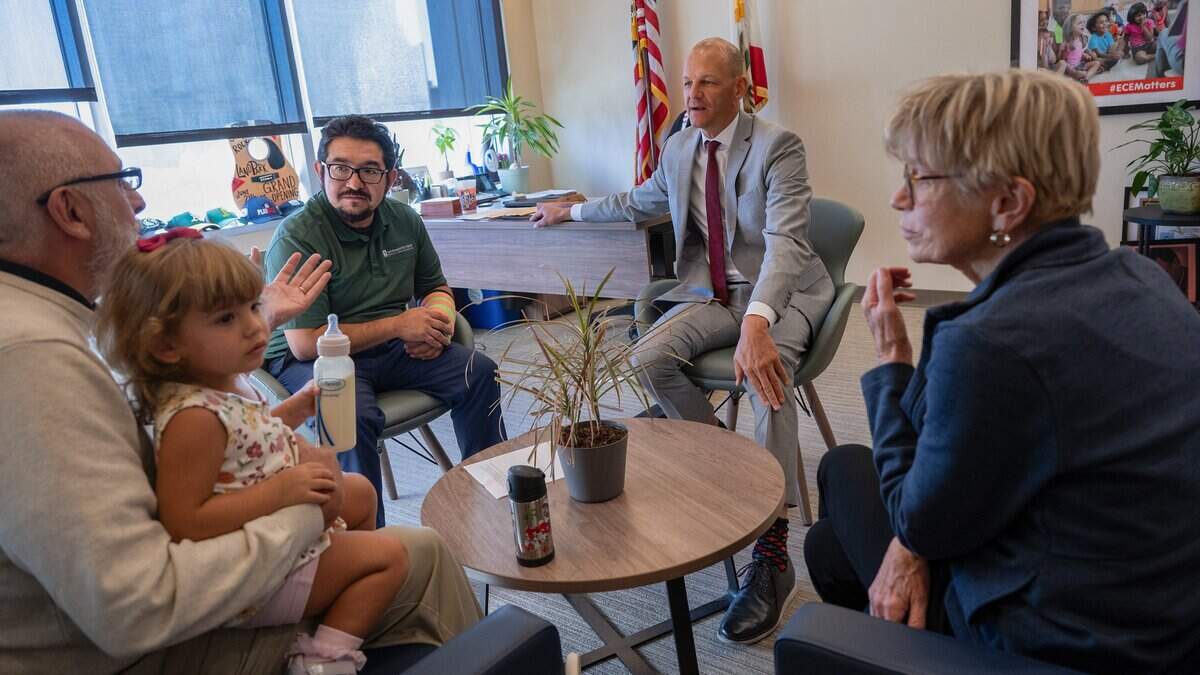
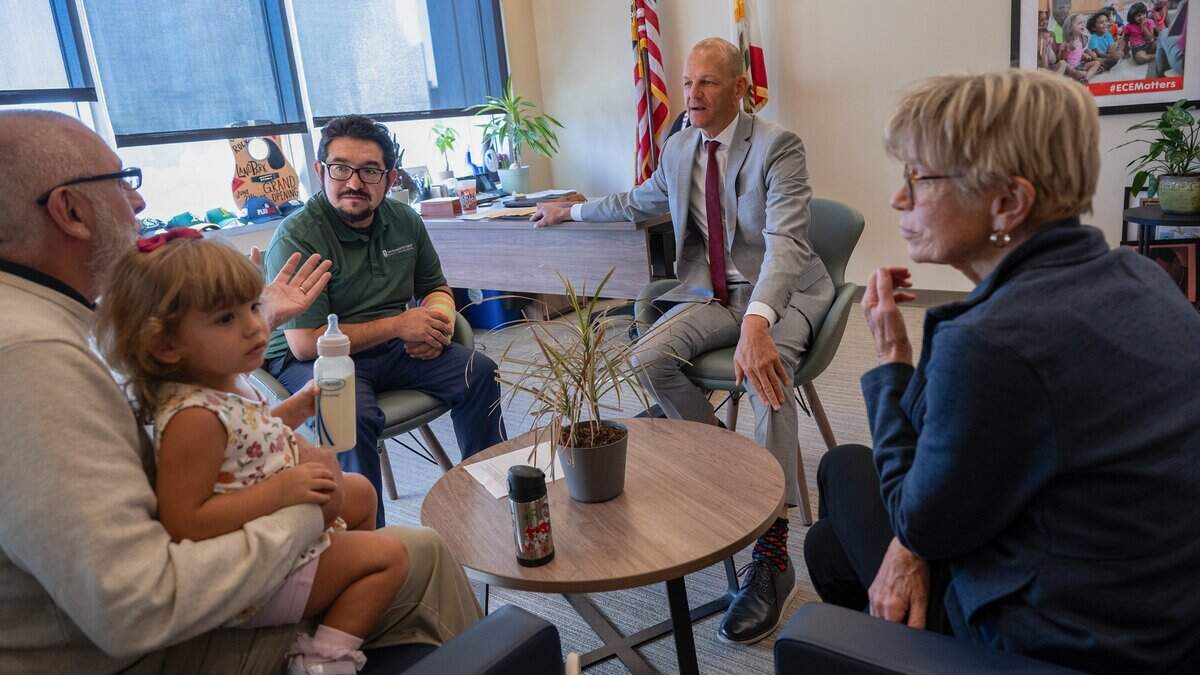
Sacramento Mayor Kevin McCarty and Councilmember Eric Guerra meet with Christopher Carlisle, holding his daughter and biological granddaughter, Laura Carlisle, alongside his wife, Anne Marie Carlisle, before a behavioral health workshop at Sacramento City Hall on Tuesday. Laura’s mother is homeless and struggles with schizophrenia and drug addiction.
RENÉE C. BYER
rbyer@sacbee.com
Laura Carlisle, born two years ago already addicted to fentanyl, was the youngest person in the city chambers Tuesday. She accompanied her adopted parents, who are also her natural grandparents, as they addressed Sacramento City Council.
“I’m the mother of the baby here who was born to Callie on the streets in a parking lot because nothing was done to help her,” Anne Marie Carlisle said. “Callie is dying on the streets because there is no way, including the CARE Court … to help her.”
Last month The Sacramento Bee published a series chronicling Chris Carlisle’s efforts to save his 32-year-old daughter Califia Carlisle, once a promising young college student, from a desperate and dangerous life on the streets. He has attempted for a decade to get his daughter treatment, but her schizophrenia and drug use have kept her from consenting to life-saving services. Columnist Tom Philp argued that her situation demonstrated the inefficacy of California’s mental health and CARE Court system, which cannot force participants into treatment.
The family’s struggles were a focal point during Tuesday night’s council workshop on behavioral health, which resulted in the council directing the city manager to take several actions to address untreated behavioral health disorders in the city’s homeless community.
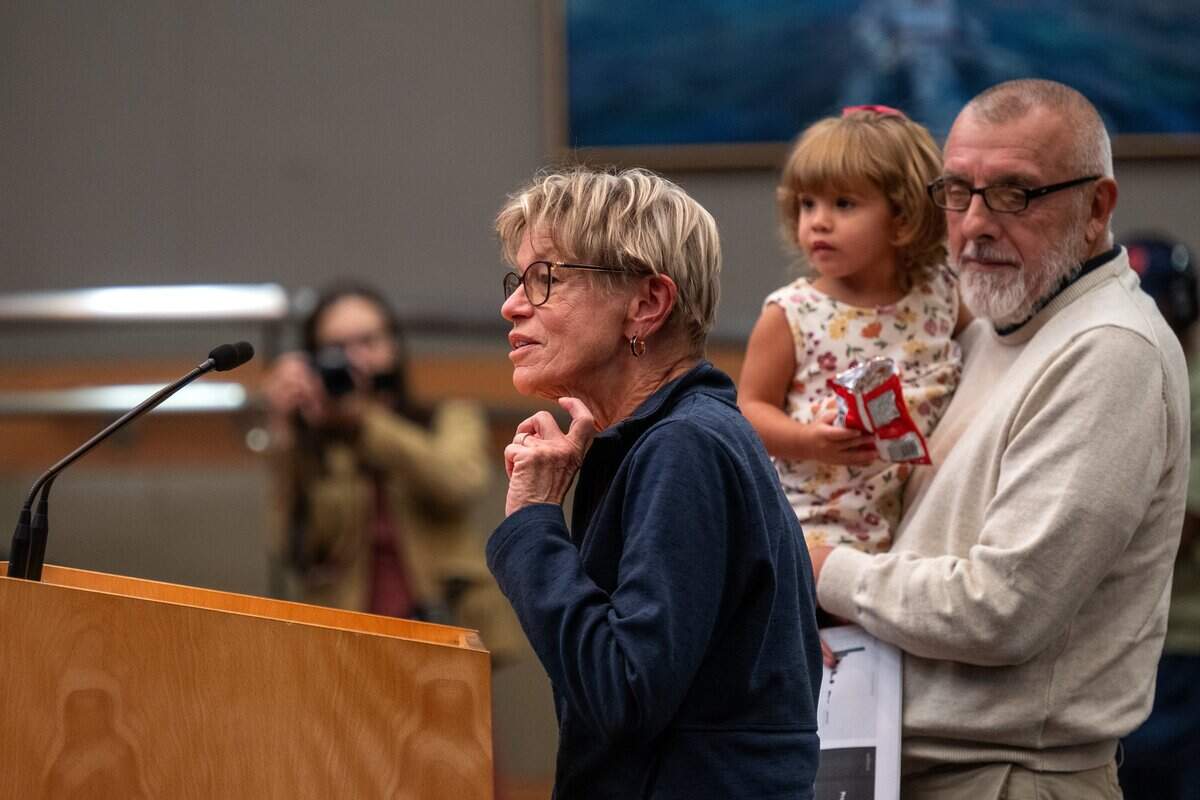 Anne Marie Carlisle speaks during a behavioral health workshop at Sacramento City Hall on Tuesday as her husband, Christopher Carlisle, holds their adopted daughter, Laura. Laura is the daughter of Christopher’s daughter, Califia Carlisle. RENÉE C. BYER rbyer@sacbee.com
The Carlisles’ story showed that behavioral health-induced homelessness can affect any family, a detail that resonated with McCarty, a father of two 18-year-old daughters. During the workshop, several council members, including McCarty, referenced the Carlisles.
“Just like the Carlisle family, I had a lot of hope for CARE Court, and I had a lot of hope for the people that desperately need the services, and I was really disappointed to hear that it was voluntary.”
CARE Court is a judicial process created by a 2022 law to connect people, particularly homeless individuals, with severe untreated mental illnesses to treatment, housing and support services. The system has been shown to not be as effective as Gov. Gavin Newsom had hoped, and reforms to give the court more authority have died in the Legislature.
Of the 47 CARE Court petitions the Sacramento Fire Department has submitted, all have been denied. The Carlisle family’s petitions through CARE Court have also been denied.
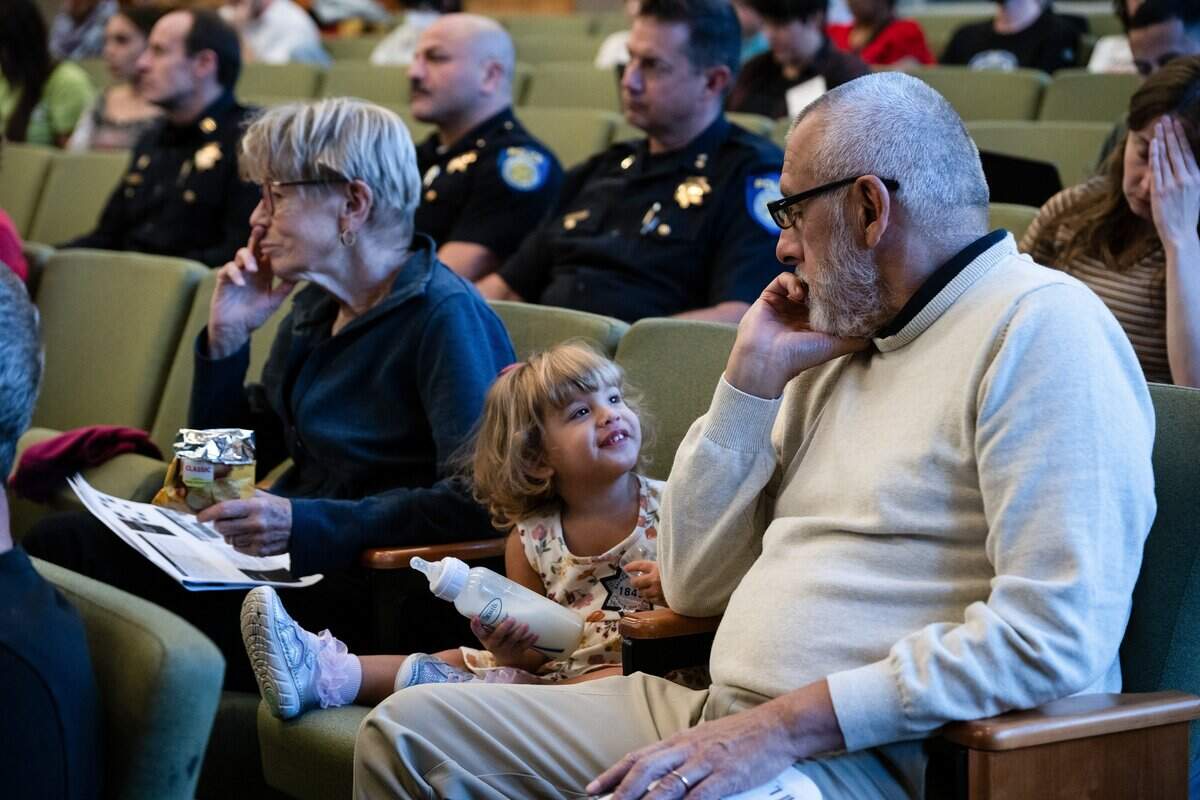 Laura Carlisle looks up at her biological grandfather, Christopher Carlisle, who attended a behavioral health workshop with his wife, Anne Marie Carlisle, at Sacramento City Hall on Tuesday. The Carlisles in March adopted Laura, who has never met her mother. RENÉE C. BYER rbyer@sacbee.com Reform proposed for CARE Court
The two-and-a-half hour examination of the city’s behavioral health response showed that there are an estimated 1,250 unsheltered people with a behavioral health disorder in the county. Within city limits, there have been nearly 11,000 psychiatric 5150 holds in 2025 for people deemed either a danger to themselves or others, or unable to reliably secure food and shelter for themselves. In the same time period, only 55 people entered into conservatorships.
“Right now, we spend millions in emergency resources on a small population of people who really need long-term care,” Councilmember Eric Guerra said. “Our Fire Department and emergency rooms see the same people every shift — people with mental health and substance abuse disorders, living in dangerous, unstable circumstances. We need to get them help.”
The discussion prompted many questions about whether the city was effectively using its resources. Ultimately the council directed City Manager Maraskeshia Smith to begin acting on a proposal submitted by council members Guerra and Roger Dickinson in September.
In five years, 79 high utilizers of emergency city services cost the city around $12.5 million. Of that group, Califia was No. 18.
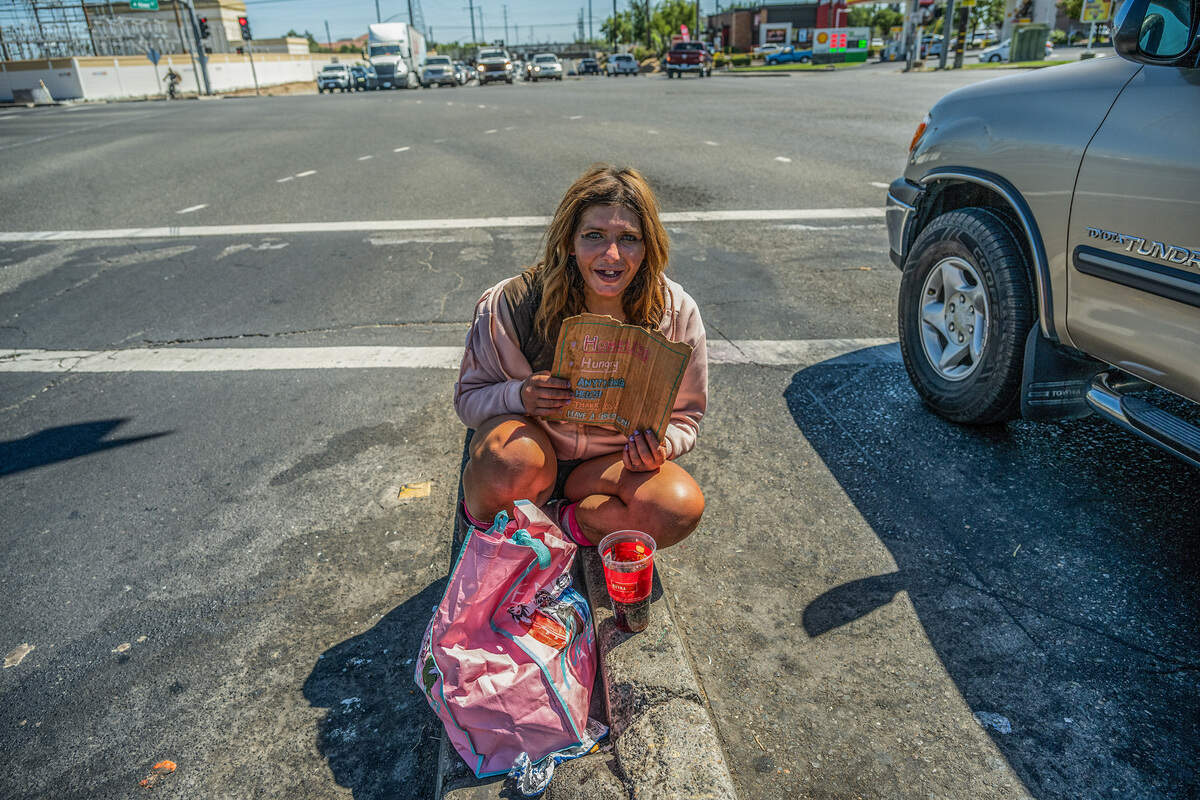 Califia Carlisle, 32, squats on a median at the intersection of Howe Avenue and Folsom Boulevard in Sacramento, as she holds a homemade sign asking for money in July. “Homeless, hungry, anything helps!” the sign reads. RENÉE C. BYER rbyer@sacbee.com
Guerra’s proposal seeks to establish better communication between the city, county and local providers to allow for more efficient use of resources, as well as being able to provide as much relevant information as possible to CARE Court.
A key part of the proposal was to push for legislative reform to CARE Court. McCarty said that he will lead the effort on the behalf of a coalition of big city mayors to seek change at the state level.
“This will be our number one legislative push this year because every mayor across California is facing the same thing: that mayors and cities are stepping up, doing their part, but these gaps in the law that don’t enable us to fully help people like poor Califia over there right now on Folsom Boulevard,” McCarty said.
Related Stories from Sacramento Bee

The Sacramento Bee
Jennah Pendleton covers the city of Sacramento for The Sacramento Bee. She previously reported on local schools. Before joining The Bee, she wrote about education and culture in the San Francisco Bay Area. She grew up in Orange County and is a graduate of the University of Oregon.