
From the Getty’s sprawling art collections to the recently opened Lucas Museum of Narrative Art, L.A. has a museum for just about every interest. But art doesn’t always have to mean wandering through quiet galleries and reading plaques… right?
In the Arts District, NEONIKA is bringing a different kind of experience, taking inspiration from one of the city’s most recognizable visual signatures: neon lights.
Inside NEONIKA’s glowing worlds
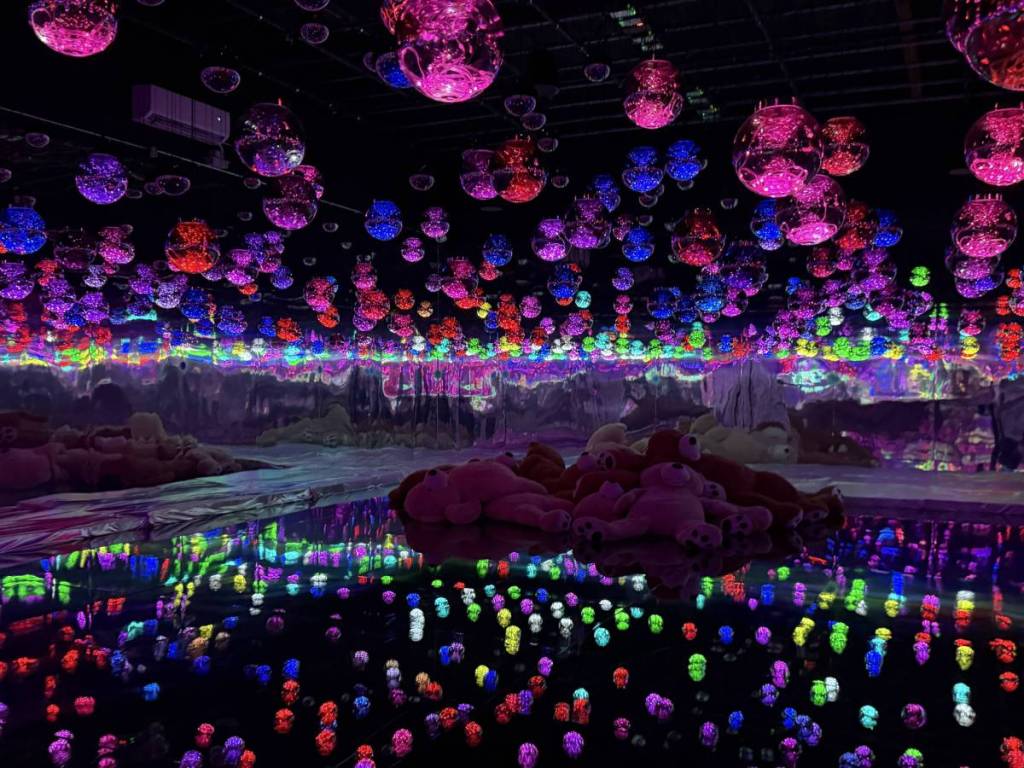 NEONIKA.
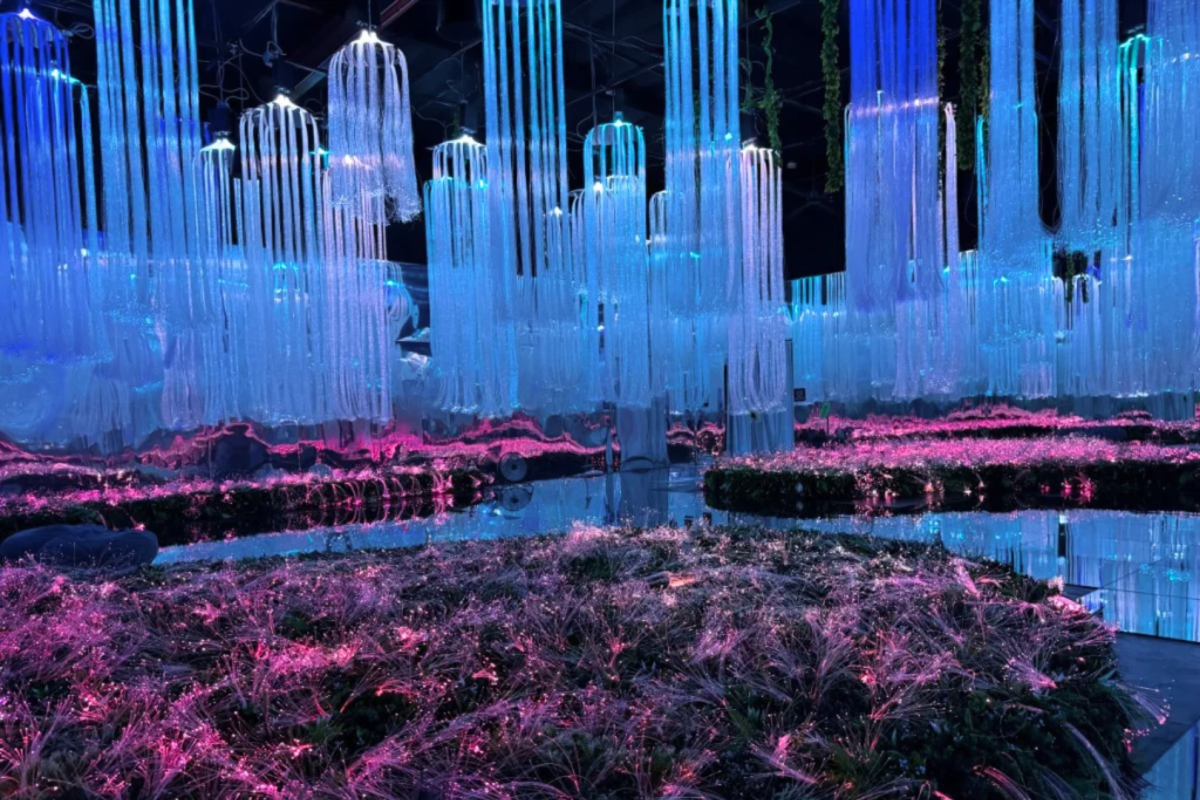
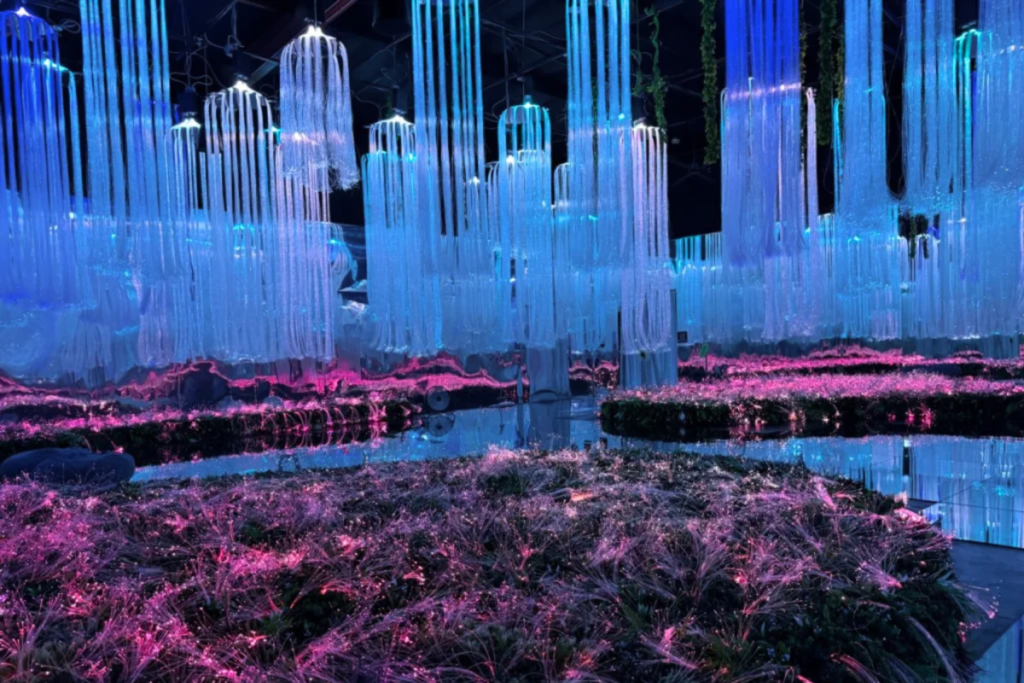
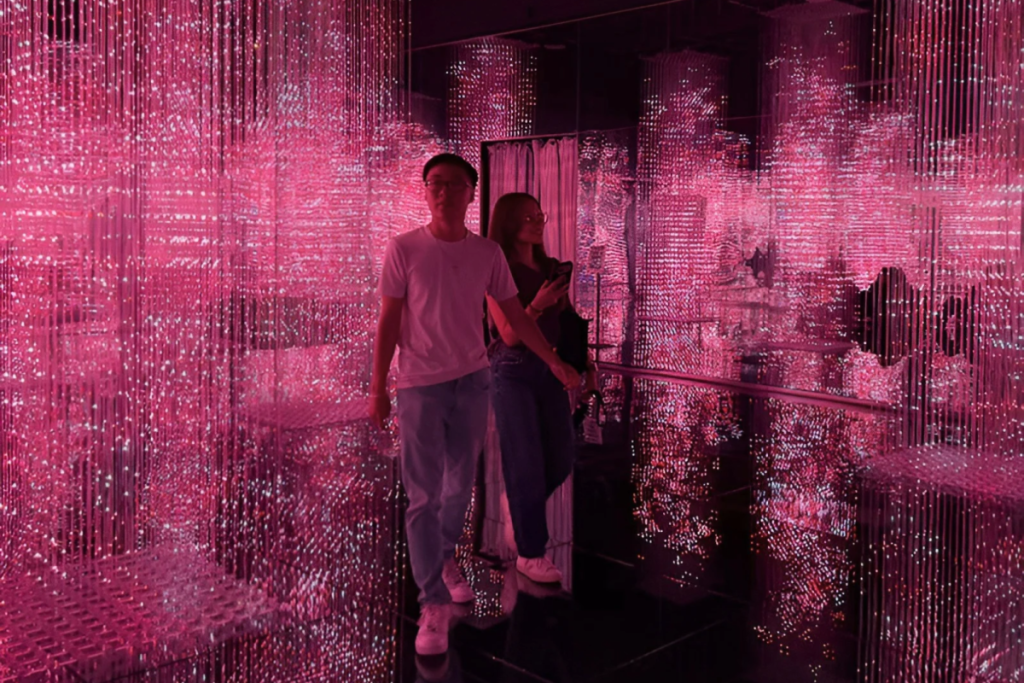
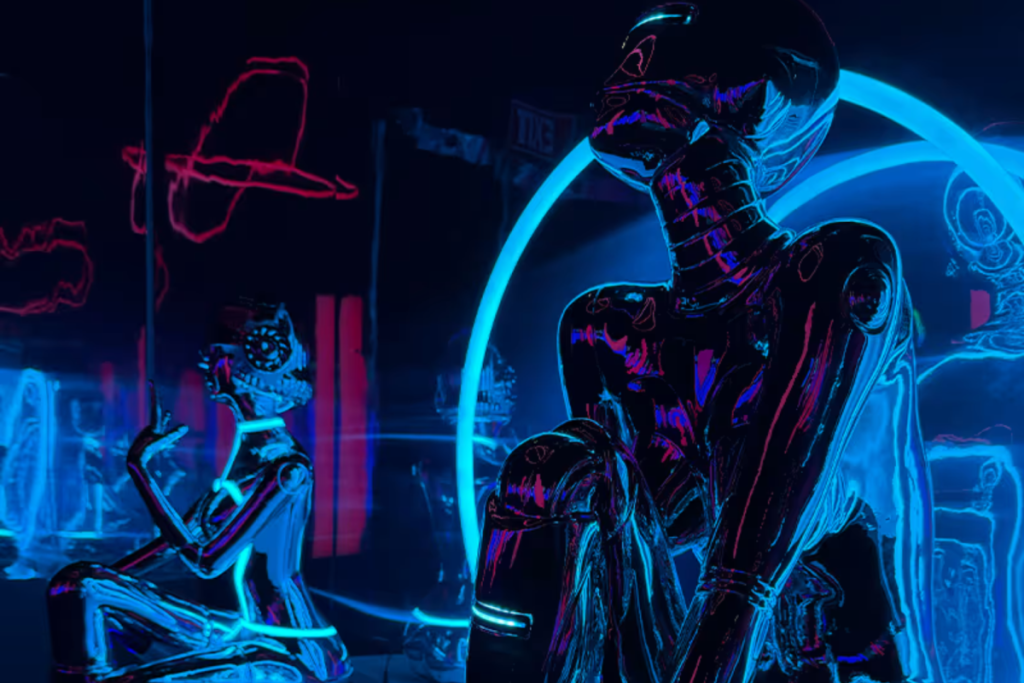
NEONIKA features seven immersive environments, each offering a different way to interact with light, reflective surfaces, and unexpected textures. Rather than simply walking past artworks, you can move through the installations, explore their details, and become part of the scene.
The experience includes mirrored walls and floors that multiply reflections, tangled chrome figures that play with perspective, and a sea of colorful glowing orbs. Across the attraction, 500,000 glowing balls help create a vivid landscape of color, while music and movement add another layer to the installations.
NEONIKA: 7 Interactive Neon Worlds
There are also 57 designated photo and video spots, making it easy to capture the experience from different angles. Some spaces lean into dazzling reflections, while others offer a more playful atmosphere, giving each room its own visual identity.
NEONIKA is designed for all ages, with formats suited to a date, a family afternoon, a birthday celebration, or a day out with friends.
Neon, a key part of Los Angeles’ identity
 NEONIKA.
Neon has a long-standing relationship with the visual culture of the City of Angels. For decades, glowing signs illuminated movie theaters, roadside motels, diners, bars, and entertainment venues, competing for attention along the city’s sprawling boulevards. Their saturated colors became part of the imagery associated with Hollywood and Southern California nightlife.
The history is worth exploring beyond the glow itself. Neon signage helped shape the region’s streetscape after World War II, when it became increasingly common across commercial districts. As older signs began disappearing, preservation efforts grew to protect them as pieces of local history.
 NEONIKa.
The Museum of Neon Art, founded in 1981, now celebrates both historic signage and contemporary light-based art. NEONIKA takes that familiar visual language in a different direction, transforming neon-inspired aesthetics into an interactive environment rather than a sign to admire from the sidewalk.
For a city whose nights have long been defined by electric color, the concept feels right at home.