
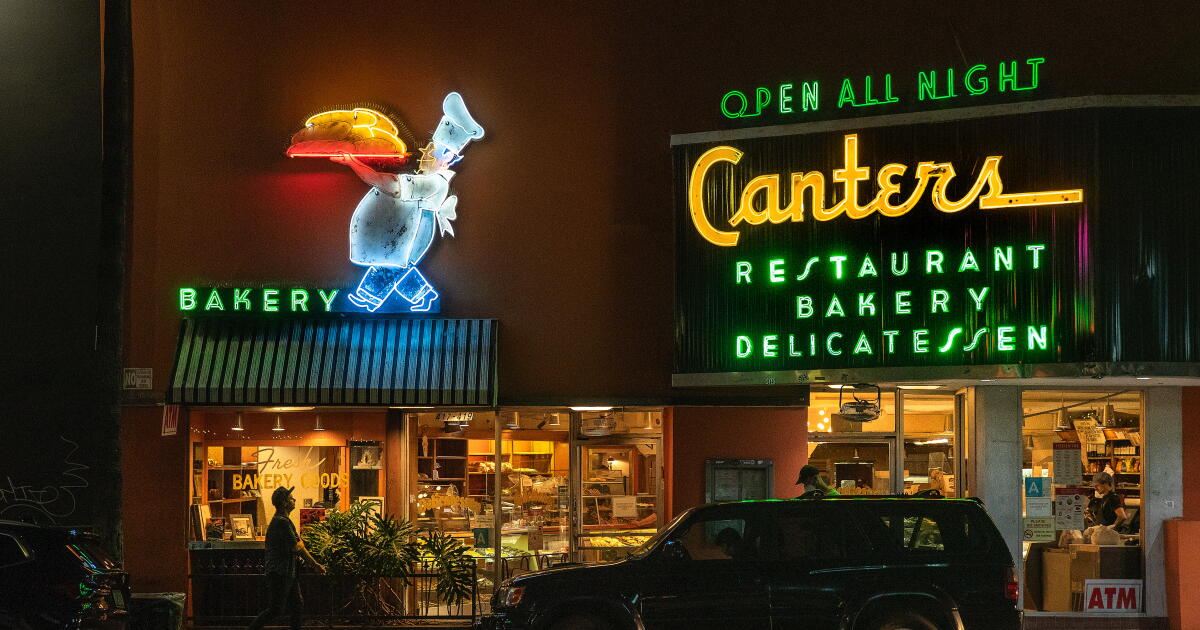
Have you gotten an “outrageous,” “insane” or “extremely crazy” Los Angeles Department of Water and Power bill recently?
If so, you’re not alone.
Many customers turned to social media and online forums to complain about recent charges that are much higher than what they paid in previous billing cycles. Canter’s Deli made headlines when its owner received a $35,700 bill, up almost $11,000 from four months earlier.
You’re reading the Essential California newsletter
L.A. Times reporters guide you through the most important news, features and recommendations of the morning.
By continuing, you agree to our Terms of Service, which include arbitration and a class action waiver. You agree that we and our third-party vendors may collect and use your information, including through cookies, pixels and similar technologies, for the purposes set forth in our Privacy Policy such as personalizing your experience and ads.
Recent increases in sewer and trash fees, plus steadily rising water rates and higher summer water use are partly to blame, my colleague Blanca Begert reports. But electricity bills have stirred Angelenos’ ire as the extra A/C needed during triple-digit heat waves has landed people in the utility’s higher-cost tiers.
A San Fernando Valley man who received a $2,115 electric bill for his 2,500-square-foot home started a petition calling for the city to investigate the bills and adjust the tiers. More than 28,000 people have signed the petition, which has garnered the attention of City Controller Kenneth Mejia, who said last week that he would investigate.
Sticker shock
The DWP says its recent high bills are driven by spiking power use during the record-breaking summer heat, especially for air conditioning, not by rate increases.
Most of its residential customers are in a three-tier price structure that changes seasonally. As people consume more power, they are bumped into Tier 2, where electricity is more expensive, with the highest rates in Tier 3, which is only in effect from June through September.
The pricing is designed to encourage people to use less electricity and cover the costs of providing power, the DWP told The Times. The utility adjusts the rates based on its costs before billing customers.
‘It’s probably going to get worse’
Los Angeles’ independent ratepayer advocate, Timothy O’Connor, agreed that high temperatures were a big driver of the skyrocketing bills, with more people moving into Tiers 2 and 3.
He also said that rates had been rising with sharper increases in recent years as DWP caught up on infrastructure spending at a time when costs had gone up across the board.
“This spending is core to keeping this utility operational,” O’Connor said. Unfortunately, the spending comes as climate change drives increasingly extreme heat waves and higher electricity use. “It’s probably only going to get worse,” he said.
Residents probably have another big charge coming, as many have not yet received their September bills reflecting the state’s highest electricity use in four years, and there was another major heat wave earlier this month.
Ways to help control electricity use
To control electricity use in the heat, the DWP recommends setting air conditioners to 78 degrees, closing curtains during peak sun hours and using fans to circulate air.
The utility also has payment options intended to smooth out higher and lower bills, assistance for those who have difficulty paying and energy-efficiency incentives, such as rebates for attic insulation and more efficient equipment, including pool pumps.
O’Connor said he’d like to see the DWP allow more people into the low-income bill assistance program and reduce payments to customers with solar, which he said raise bills for customers across the board.
Californians will soon be able to lower their electric bills with plug-in solar panels.
Gov. Gavin Newsom signed the Plug and Play Solar Act last month, which allows anyone — renter or homeowner — to set small panels on their patios or fences and plug them directly into wall outlets without having to navigate any utility permissions.
Top stories 
The opening of the Skylink people mover train at LAX has been delayed until 2027.
(Myung J. Chun / Los Angeles Times)
The troubled LAX people moverThere are myriad public transportation challenges for the next Los Angeles mayor, but perhaps none is more visible than the long-awaited Skylink people mover train at LAX.The 2.25-mile train, designed to whisk people from airline terminals to ground transportation, is years behind schedule and more than $1 billion over its original construction budget.And now it has become one of the more contentious issues in the mayoral race between incumbent Karen Bass and challenger Nithya Raman.More wild weather in SoCalStrong Santa Ana winds that fueled a rash of wildfires in Southern California have abated, but an incoming storm system could pose new risks for the region.A significant cooldown is expected through the middle of the week, with widespread rain likely Wednesday and Thursday, and possibly some thunderstorms, according to the National Weather Service, which warned that the rain could trigger debris flow near recent burn scars.Becerra’s muted gubernatorial campaign comes to lifeAfter months publicly absent from the campaign trail, Democrat Xavier Becerra has increased public appearances and begun airing television ads as mail ballots reach California voters.Hilton has accused Becerra of taking the state’s voters for granted and failing to hold public campaign events to detail how he would address California’s many ills.Making the California Republican Party relevant againState Assemblymember Carl DeMaio (R-San Diego) is emerging as a prominent voice for California Republicans, promising a path back to power and delighting audiences with his sharp takedowns of Democrats.His chief campaign vehicle is Proposition 39, which would require identification when voting.More newsCommentary and opinionEditor’s pickMore picksThings to do 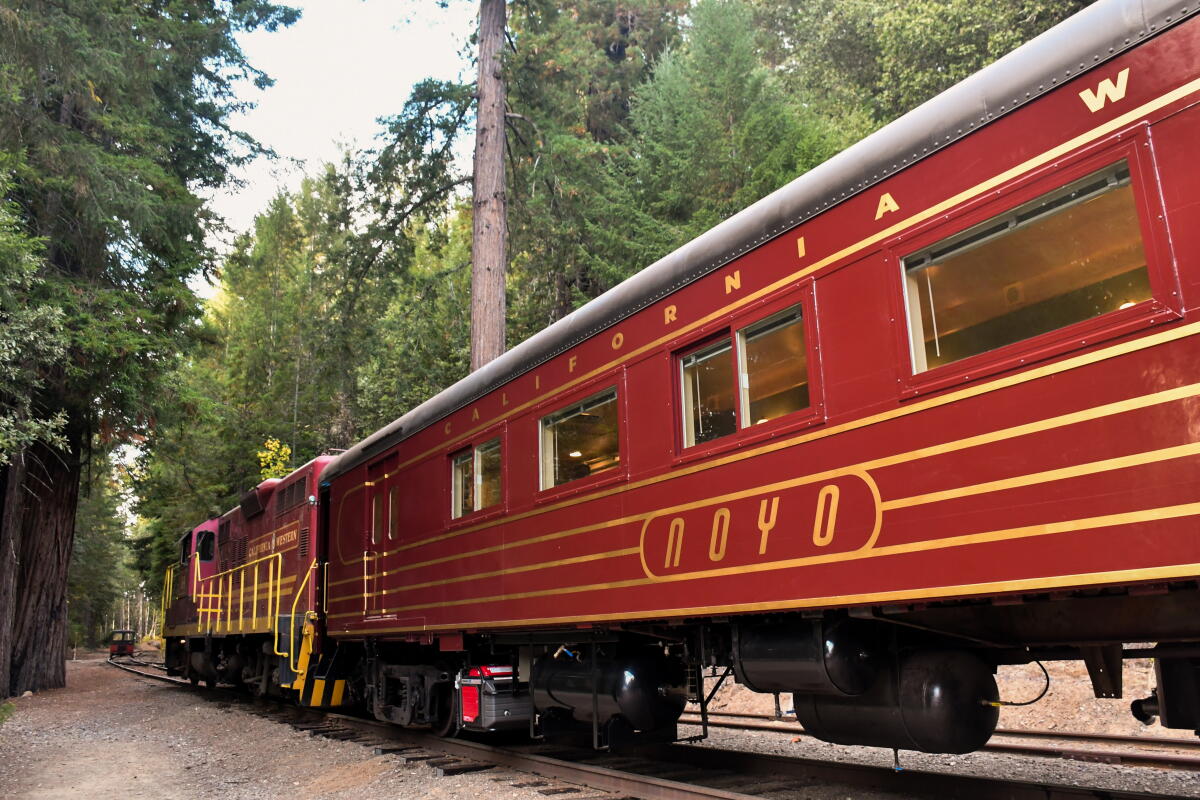
Known as the Noyo, this car is a new cocktail car that’s part of the Skunk Train, rolling from Willits, Calif.
(Christopher Reynolds / Los Angeles Times)
Today’s recipe 
“Gummy” candies are simply extra-firm gelatin molds.
(Kirk McKoy / Los Angeles Times)
Although store-bought candies may reign supreme during Halloween, making your own confections is a fun — and delicious — project for kids of all ages.
These Ghoulish Gummies are nothing more than extra-firm gelatin molds — think Jell-O, but a lot less jiggly and with a great chewy texture. Simply make a thick gelatin base and pour into candy molds, then chill for a few hours or more until solid.
Question for you
What is your favorite Halloween candy?
Michael L. says, “For those of us who are old enough to remember the days of having to bring some type of musical or artistic talent to our Halloween presentations before being presented with a candied apple — it was truly a disappointing moment. That reddish fruit on a stick seemed to pale in comparison to the loads of candy that other houses were giving out. Decades later, I’ve come to enjoy them in October as a snack and looking back, it may have been an appropriate treat. I never had much musical or artistic talent to begin with.”
Email us at essentialcalifornia@latimes.com, and your response might appear in the newsletter this week.
Photo of the day 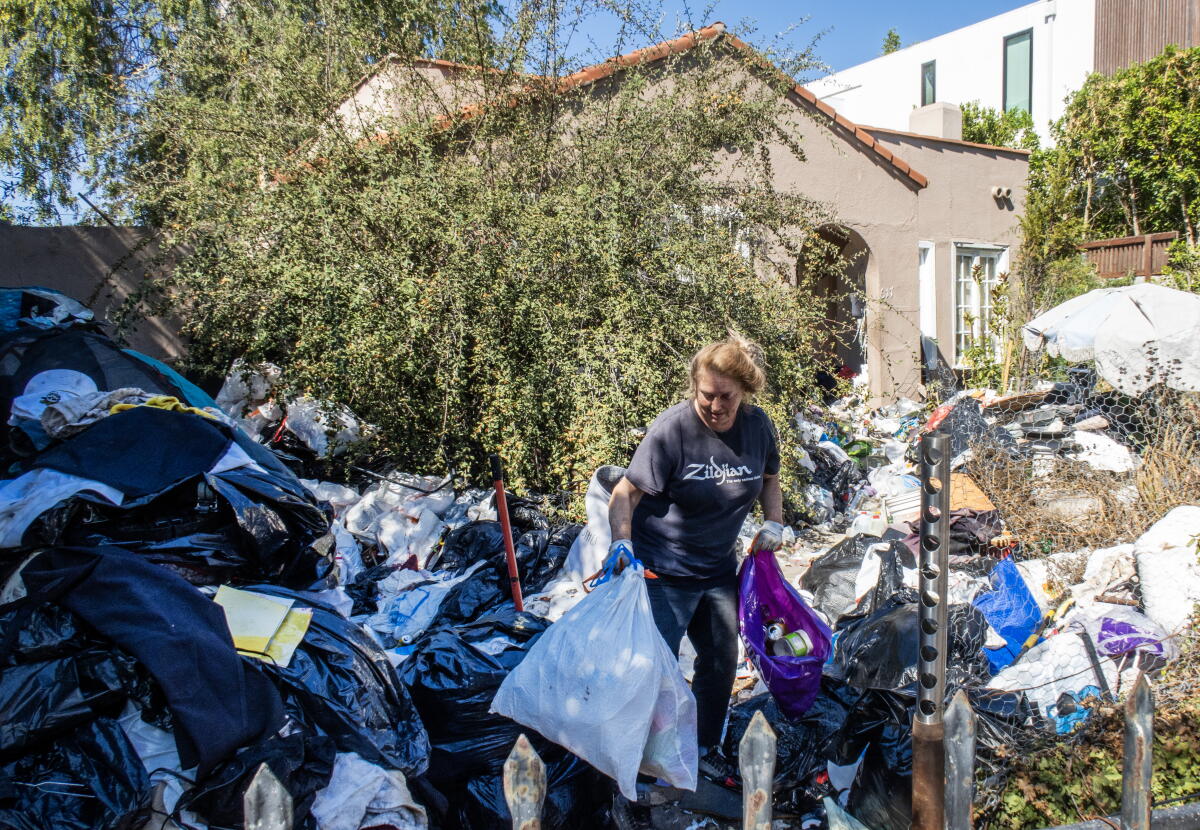
(Myung J. Chun / Los Angeles Times)
Games 
Here’s today’s mini crossword, plus our other free, daily crossword puzzle, sudoku, word search and jigsaw games.
Have a great day, from the Essential California team
Jack Dolan, investigative reporter
Hugo Martín, assistant editor, Fast Break desk
Kevinisha Walker, multiplatform editor
Andrew Campa, weekend writer
Karim Doumar, head of newsletters
How can we make this newsletter more useful? Send comments to essentialcalifornia@latimes.com. Check our top stories, topics and the latest articles on latimes.com.