
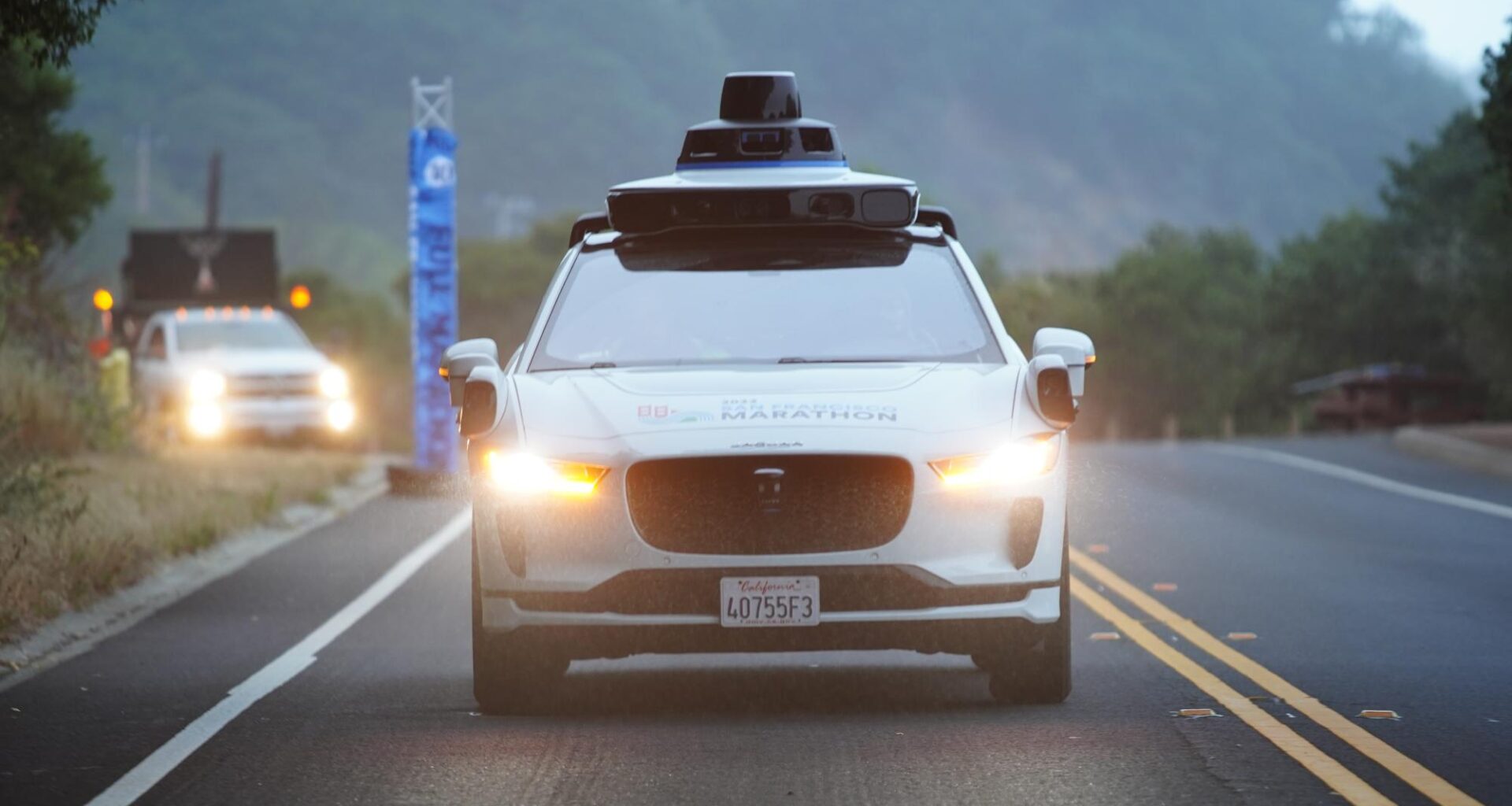
On Sept. 14, the San Diego City Council voted unanimously to pass a resolution calling for greater local control over the deployment of autonomous vehicles in San Diego, including driverless robotaxis such as Waymos.
Introduced by council members Sean Elo-Rivera and Marni von Wilpert, the resolution urges the California state legislature and Gov. Gavin Newsom to grant cities more authority over how AVs operate on their streets, citing safety concerns and potential job displacement as driverless services expand.
The California Public Utilities Commission and the California Department of Motor Vehicles retain the sole regulatory jurisdiction over AVs, meaning cities have no legal authority over their rollout and ongoing operations. The state commission granted permission for Waymo to expand its autonomous passenger services to portions of Northern and Southern California, including San Diego, on Aug. 14.
“This is definitely not an antitechnology resolution,” Elo-Rivera said during the City Council meeting. “It’s not an anti-innovation resolution. … But embracing innovation does not mean giving up a responsibility to the people we represent. San Diego should not be a testing ground where corporations introduce new technology onto our public streets without meaningful local input, accountability or consideration for the people who will be affected.”
In a written response to The UCSD Guardian’s request for comment, von Wilpert said “a cumulative set of concerns” including public safety, workers’ protections and infrastructure prompted the introduction of the resolution.
“Critically, it was the decision made about San Diego without San Diego,” she said.
Von Wilpert says the City Council also considered Waymo deployment outcomes in other cities, which “raises serious concerns.” Referred reports include Waymo recalling thousands of robotaxis across five cities this May, following a software issue that allowed its vehicles to drive into flooded roads and multiple instances of Waymos blocking emergency vehicles.
San Diego does not have an official record for Waymo safety incidents yet, and reports currently go to state and federal agencies, not the city, von Wilpert said.
During the meeting, staff members of Elo-Rivera and von Wilpert’s district offices presented news reports and video footage of Waymo robotaxis illegally passing school buses, pausing in the middle of the road and “glitching,” or stopping, in a bus lane.
Proposed actions in the resolution include urging city staff, AV operators and state and local enforcement to comply with Assembly Bill 1777 regulations. The bill imposes stricter safety, emergency and law enforcement accountability requirements for AV manufacturers, such as mandating a 24/7 emergency response phone line that connects to a remote human operator.
The City Council also requests AV operators to follow local ordinances and noise or nuisance laws. The resolution asks the San Diego County Regional Airport Authority to prohibit AV operations at the San Diego International Airport, citing public safety concerns and protection for airport ground transportation workers.
On Jan. 15, the San Diego Metropolitan Transit System board of directors voted to oppose Waymo’s expansion into San Diego, urging the restoration of regulatory powers to local jurisdictions. The board also agreed to issue a formal protest letter to the CPUC and California DMV and supported the ban of these vehicles at the San Diego International Airport.
“The California Public Utilities Commission … approved Waymo’s development here even though our own Metropolitan Transit System opposed it,” von Wilpert said. “Nobody asked the San Diego City Council, San Diego Fire-Rescue, or the workers who keep this city moving.”
On July 8, the National Highway Traffic Safety Administration issued a letter to driverless automated driving system developers, stating that the administration has identified a “clear pattern of driverless AVs interfering with law enforcement and other first responders.” Listed instances in the letter include AVs driving into active emergency scenes and blocking the pathways of ambulances and firefighters.
The resolution also supports House Resolution 10033, the AV Emergency Response Coordination Act, which would establish federal emergency coordination requirements for AVs and manufacturers.
Waymo officially launched its commercial driverless passenger service in San Diego on Sept. 1, following a testing period of about a year. Other AV technology companies currently conducting testing operations in the city include Zoox and Nuro.
“I want to be clear: This resolution isn’t just about Waymo, Zoox and Tesla,” von Wilpert said. “It’s bigger than that. It’s about the companies already operating here and the ones planning to hit our streets next.”
Over 30 public comments were heard during the meeting.
Adam Lane, state and local public policy manager at Waymo, opposed the resolution during the public comments section.
“The resolution in front of you today is extraordinarily premature,” he said. “We launched our commercial service just over 10 days ago, following extensive CPUC review, a public process and local testing dating back to early 2025. In our first week, thousands of safe trips have already been completed, and over 100,000 San Diegans have joined our waitlist.”
Lane says the company is “deeply invested in local collaboration” and has trained nearly 300 San Diego first responders, as well as partnered with airport leadership for three months of testing to “ensure orderly, safe curbside operations.”
According to Waymo, the Waymo Driver has 95% fewer “serious injury or worse crashes” and 93% fewer pedestrian crashes with injuries compared to an average human driver over the same distance in operating cities. This data undergoes consistent updates.
Librado Rivera, co-founder and secretary of San Diego Drivers United, expressed support for the resolution during the meeting, saying drivers are “very scared about losing their jobs,” and some did not attend the City Council meeting as they intended to “make some money before Waymo goes in and takes their jobs.”
The National Federation of the Blind of California San Diego Chapter opposed the resolution, saying it is “premature” to restrict the new transportation option without “adequately considering the consequences for people with disabilities who cannot drive” and “meaningful consultation with affected disability communities.”
“We recognize that autonomous transportation raises legitimate questions involving public safety, infrastructure, labor, accessibility, privacy, and regulation,” the public comment read. “We are not asking policymakers to disregard those concerns. We are asking that disability access be considered alongside them and that people with disabilities be included when policies affecting our transportation options are developed.”
Although the resolution demands state action, it does not hold the force of law.
“I hope to see the state give San Diego the authority to decide when and how this technology is deployed in our city,” von Wilpert said. “Vehicles deployed in our city should be regulated locally. It’s this way for other vehicles; driverless vehicles cannot be the exception, especially as we learn in real time the rapidly changing nature of AI and AV. This also means protecting our workers who make a living behind the wheel and the first responders who use our streets to respond to emergencies.”
No formal changes regarding AVs in San Diego have been made following the passage of the resolution at the time of writing.