
By Rick Thomas, Columnist
Western Avenue is about to get squeezed, and Harbor Gateway South residents deserve to know whether their neighborhood streets will become the escape valve.
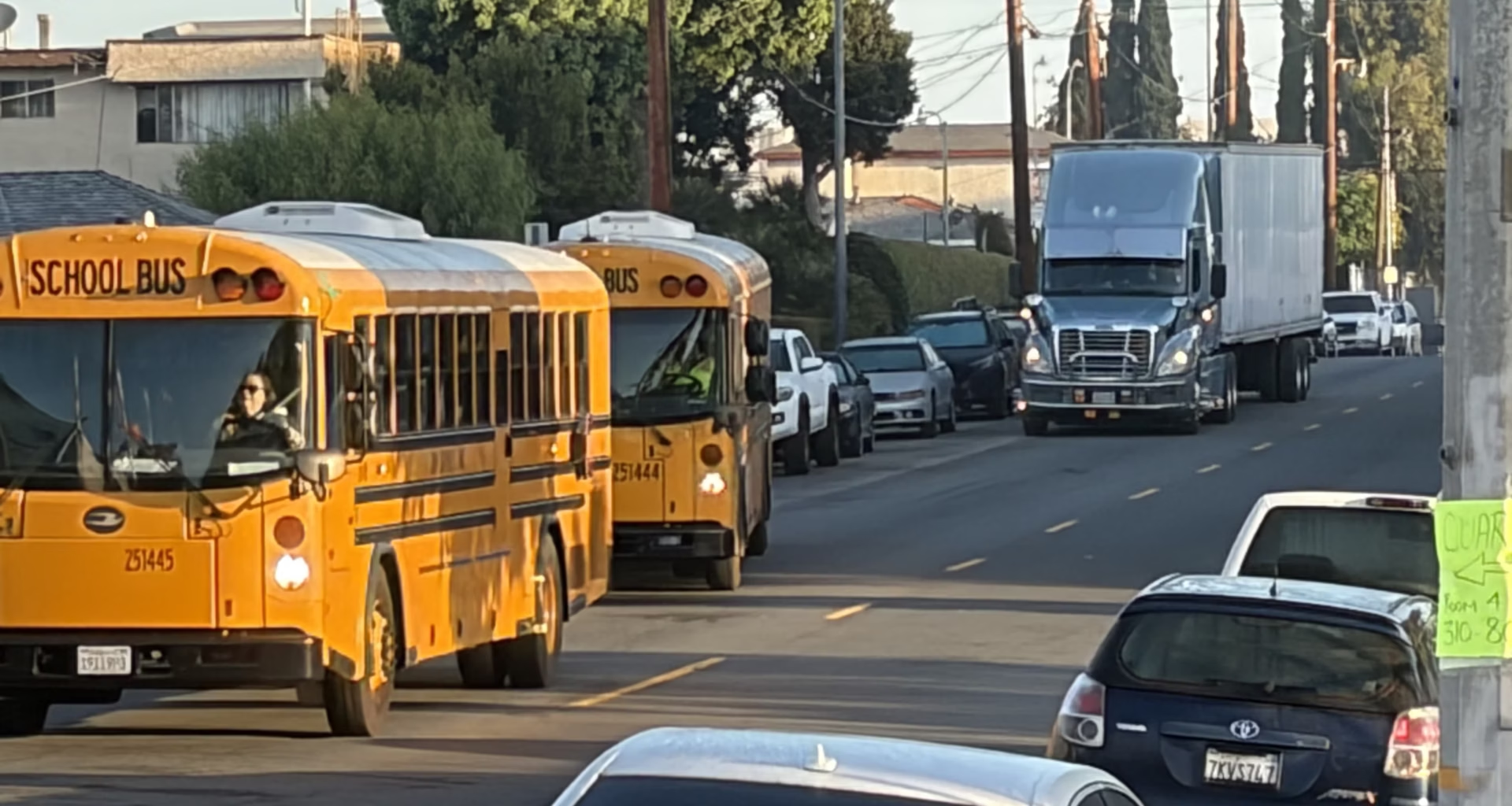
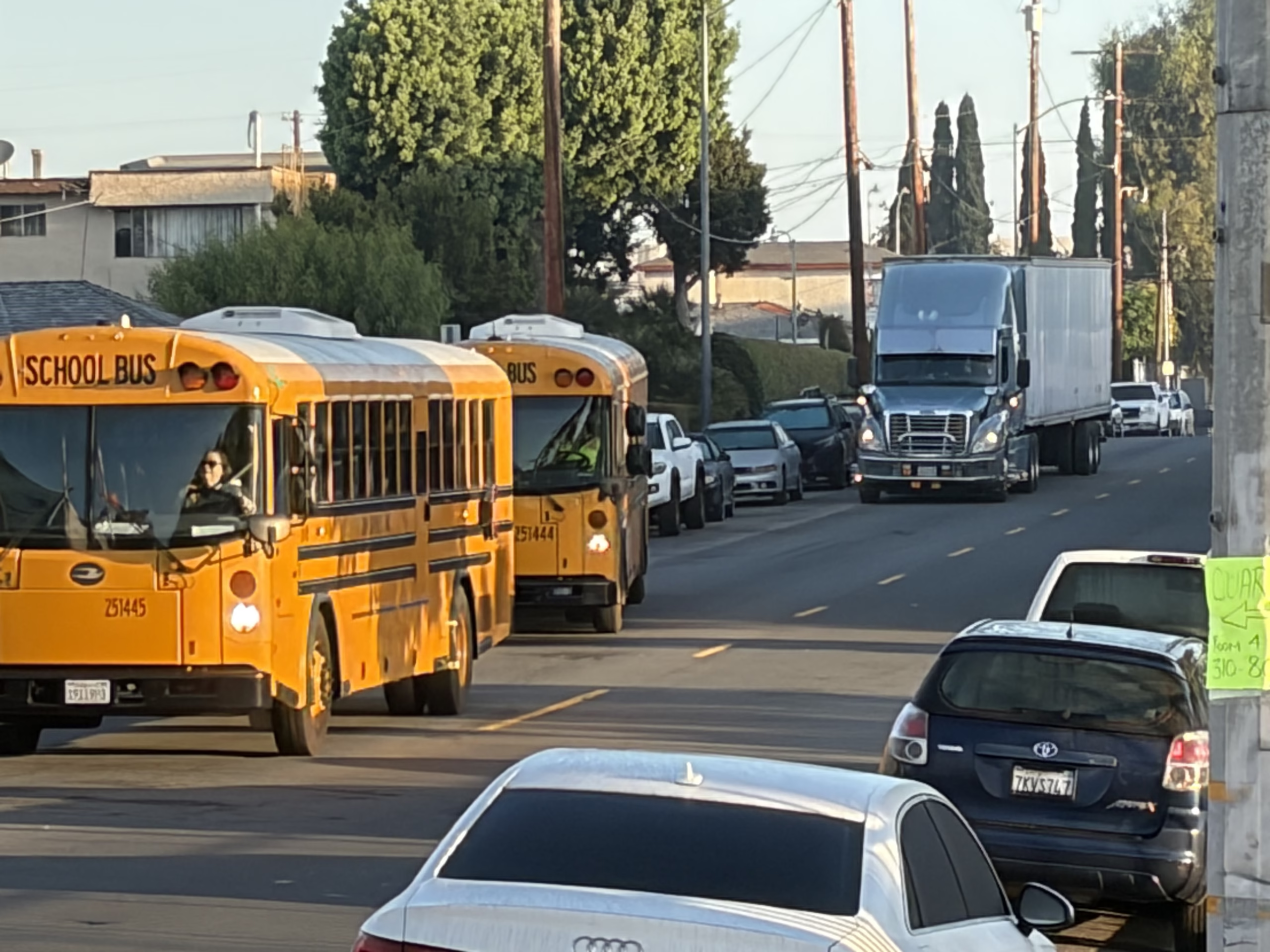
Beginning in November, the Metropolitan Water District’s Sepulveda Feeder rehabilitation project is expected to bring about six months of construction impacts to a corridor already carrying daily commuter, truck, bus, and pedestrian traffic.
The water infrastructure needs attention. The people living around it do, too.
As a Harbor Gateway South resident, I of course support repairing an aging pipeline before it fails. But supporting necessary infrastructure work does not require residents to accept unanswered questions about truck routes, emergency access, and neighborhood safety.
Those details should be part of the plan residents receive before the construction impacts arrive. An ambulance approaching a bottleneck cannot put its emergency on hold while somebody gathers the most up-to-date information.
The pipeline needs repairs
Metropolitan’s explanation of the work makes clear why the project matters.“Metropolitan’s Sepulveda Feeder is a major pipeline that stretches 42 miles from our Jensen Water Treatment Plant in Granada Hills to Torrance, delivering water to communities along the way,” said Mai Hattar, Metropolitan’s chief engineer and manager of engineering services.
The pipeline has operated for more than 50 years. According to Hattar, portions have become distressed, and a recent inspection identified critical repairs needed along a 3.8-mile stretch of Western Avenue, Del Amo Boulevard and Van Ness Avenue in Torrance and Los Angeles.
“Rehabilitation will consist of relining the existing pipeline with new steel liner segments, rather than replacing it, to minimize the amount of excavation needed and limit disruption and impacts to the community,” Hattar said.
That distinction matters. Residents should not picture crews excavating the entire route to remove and replace the pipe.
The photographs accompanying this story help illustrate the scale and nature of pipeline work: one shows a crane lifting a large pipeline component above a supported excavation near homes; another shows a worker welding inside a pipe. The images should not be mistaken for documentation of November construction.
Hattar said the rehabilitation will reduce the risk of an unplanned outage and more extensive repairs that could temporarily affect water deliveries.
“Making these repairs in the coming months will ensure the Sepulveda Feeder continues to reliably deliver water to communities across Los Angeles County for decades to come,” she said.
That is a strong argument for doing the work. It is also a strong argument for getting the surrounding safety arrangements right.
The city boundary will not contain the impacts
Western Avenue divides Torrance and Los Angeles along this stretch. Metropolitan says the pipeline lies primarily on the west side, within Torrance.
Unfortunately, traffic congestion does not stop at a municipal boundary to check its paperwork.
Metropolitan acknowledges that construction will occupy a substantial portion of the street, requiring lane reductions and no-parking zones that affect Western Avenue as a whole. In fact, sections of Western Avenue on the Torrance side of this project will be completely shut down, moving traffic North and South on the Los Angeles side of Western Avenue.
That’s gonna be a mess. And that’s where I live.
“The project does not include any street closures,” Metropolitan said. “There are lane reductions, and traffic will flow on the same streets.”
That clarification is useful. But keeping a street open doesn’t mean every surrounding street will remain safe.
Drivers facing a slow-moving corridor may seek another route. Navigation apps may help them find one. A residential street can become somebody’s shortcut long before an agency formally designates a detour.
Metropolitan says any necessary detour signage will receive city approval and that the city is responsible for monitoring streets for enforcement.
Which city? Torrance or LA? Which locations, and which department is responding?
With two municipalities affected, residents need responsibility spelled out clearly enough that reporting a dangerous condition does not become a referral tour.
Denker already has a truck problem
The concern about neighborhood spillover comes with context.
Residents along Denker Avenue, two blocks away from Western Avenue, already face increased truck traffic, idling, and the uncomfortable experience of watching large commercial vehicles maneuver near homes and neighborhood intersections.
I have raised these concerns in connection with Los Angeles City Council File 26-1117, addressing Harbor Gateway South truck activity, idling, and safety. I have also reported that a tractor-trailer backed into the fire hydrant at 204th Street and Denker Avenue.
That incident should give officials pause. A hydrant is emergency infrastructure. A collision involving one raises questions beyond the cost of fixing a damaged object.
Now consider the possibility of additional drivers leaving Western Avenue to avoid construction congestion. This does not mean Metropolitan’s contractors will cause the existing truck problems. It means the project is arriving in a neighborhood where those problems already exist.
Public-safety planning should account for that starting point.
Before work begins, residents should receive designated construction-truck routes, staging locations, and clear instructions governing contractor idling. They also need to know how officials will respond if unrelated commercial traffic begins using residential streets to bypass Western.
The distinction between a construction truck and another tractor-trailer may matter to the agencies. A resident trying to cross the street needs both to operate safely.
A sign is useful. A sign backed by monitoring and enforcement is considerably more useful.
Safe access requires specifics
The unanswered access question deserves particular attention because it encompasses ordinary activities that cannot simply stop for six months.
People still need to reach bus stops. Wheelchair users need accessible routes. Caregivers need to reach clients. Children need safe trips to school and transportation stops. Trash trucks and delivery vehicles need room to operate.
Firefighters and paramedics need reliable access when minutes matter.
A neighborhood safety plan should identify affected crossings, bus-stop changes, accessible pedestrian routes, and emergency-access arrangements. Where conditions change, the information should change with them.
Residents should not have to discover a blocked or unsafe route by arriving at it. Nor should officials wait for a near miss to learn that traffic has found its way onto a street the project team did not expect drivers to use.
What happens after dark
The Metropolitan Water District provided more detail about nighttime operations. Residents will receive two weeks’ notice before night work begins. Most nighttime activity will involve welding inside the pipeline, limiting aboveground noise and street activity, according to the Metropolitan.
Equipment will include ventilation fans for workers inside the pipe and pickup trucks carrying welding machines. Metropolitan says equipment will have sound barriers and comply with city noise requirements.
Metropolitan also expects minimal vibration and no significant dust. If dust occurs, the contractor must comply with South Coast Air Quality Management District requirements, including a dust-control plan and measures to prevent harmful or nuisance conditions.
Equipment will be California Air Resources Board-certified to meet state clean-exhaust standards, Metropolitan says. These are meaningful commitments. Residents should also receive location-specific notices explaining where nighttime equipment will operate and whom to contact when actual conditions differ from expectations.
Compliance on paper is a starting point. What happens outside somebody’s bedroom window is the test.
Communication is part of the job
Metropolitan says Torrance coordinates the timing of projects within its city limits through quarterly meetings. Metropolitan plans to attend the Oct. 22 coordination meeting.
That coordination needs to account for nearby work, including planned traffic improvements at Del Amo Boulevard and Western Avenue, and the consequences for residents on the Los Angeles side.
Metropolitan also plans to present at the Harbor Gateway South Neighborhood Council’s November meeting, explaining the project’s purpose, scope, and regional importance and answering questions.
I have contacted the Congressional office about a virtual meeting opportunity as well. That option remains a request, rather than a confirmed event.
Both in-person and virtual access would help residents who cannot attend a single evening meeting.
Metropolitan says it will provide updates to Council District 15 for newsletters and is prepared to issue updates if conditions change. Its community relations team will remain available throughout construction.
For a project lasting approximately six months, regular updates should be routine: where work is occurring, what access is affected, when night work is planned, and whether the schedule has changed.
Metropolitan has explained why the pipeline needs rehabilitation. Now residents need equally clear answers about how their community will be protected while that rehabilitation takes place.
Repairing a regional water supply and protecting a residential neighborhood belong in the same project plan.
Harbor Gateway South should not have to wait for a truck on the wrong street, an inaccessible crossing or a delayed emergency response to find out what that plan was supposed to include.
Related