
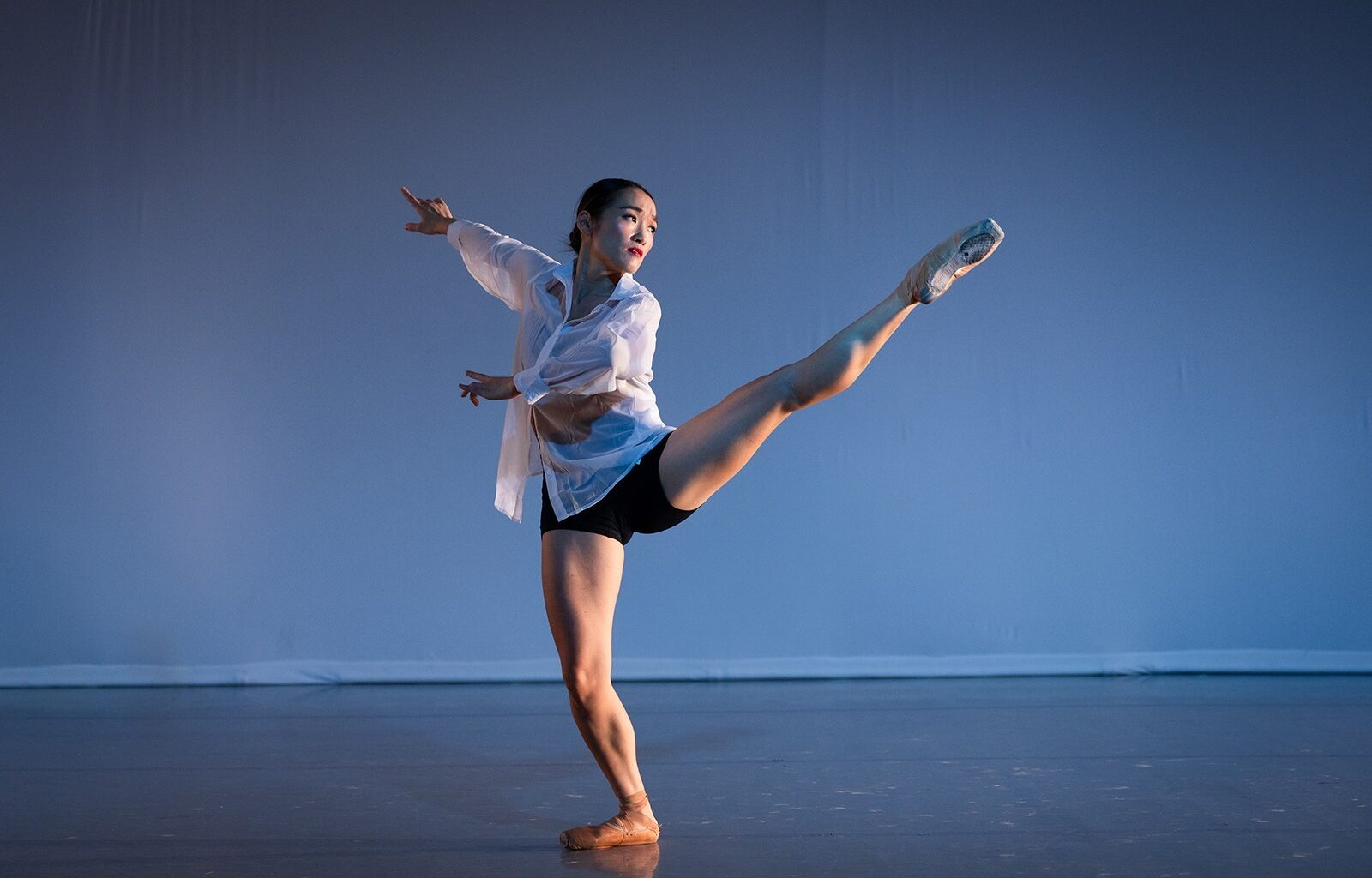
Citizenship and career choices can define and even overtake one’s sense of identity. Yet a job and a birthplace merely represent thumbnail images in the big picture of life.
Take ballerina Sona Jaeger, for instance, who has navigated the pros and cons of a successful dance career, along with a heritage few understand.
She performs her final shows with The Rosin Box Project’s “Ghost Light Masquerade” this month, and before she retires her toe shoes, she revealed her transformative journey.
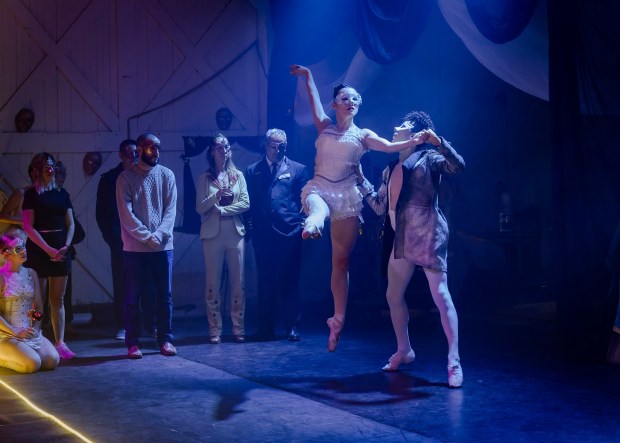 Ballerina Sona Jaeger center, in a previous production of The Rosin Box Project’s immersive “Ghost Light Masquerade.” The 2026 production opens tonight at Nocturne Theatre. (The Rosin Box Project)
Jaeger has been performing for multiple San Diego dance organizations since she arrived in San Diego 15 years ago.
She is typically front and center, a standout with exceptional grace and technique that only comes from years of physical discipline.
At last month’s well-attended “Revel” concert, staged by Ballet Collective San Diego, her performance in the world premiere of Nilas Martins’ “Shades of Corelli” was met with enthusiastic applause.
Her body interpreted the music like an additional instrument, with graceful hands, long, straight leg extensions and fluid arm movements.
Besides performing with Ballet Collective, Jaeger has danced with City Ballet of San Diego, Golden State Ballet and, for the past six years, The Rosin Box Project.
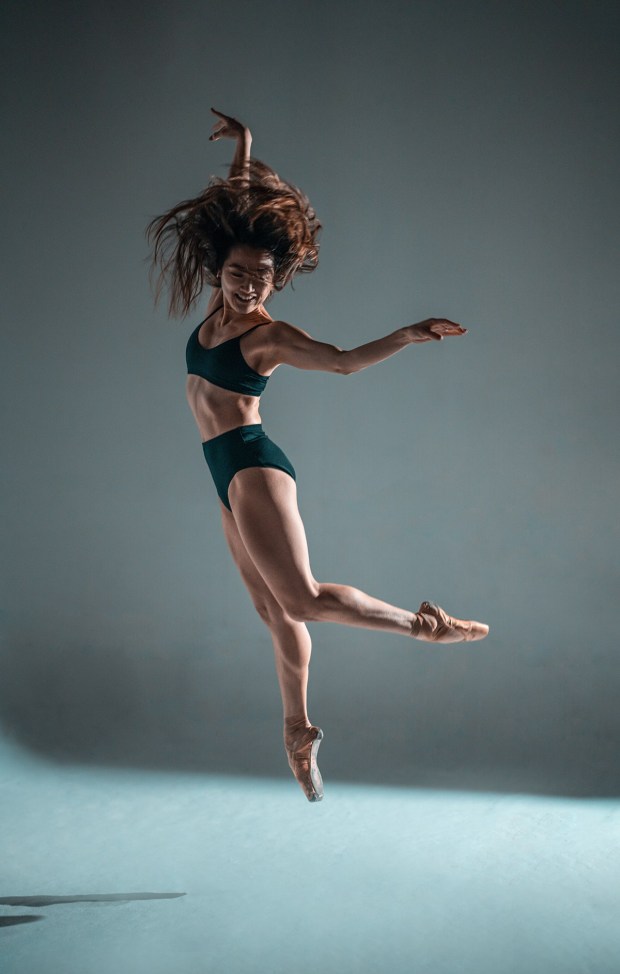 Ballerina Sona Jaeger has been dancing with The Rosin Box Project for the past six years. “Ghost Light Masquerade” will be her final dance performances before she retires. (Carly Topazio)
The ballet community knows Jaeger as a Japanese dancer because she was born in Japan.
But her ethnicity, going back three generations, is Zainichi Korean, namely, Koreans and their descendants who migrated to Japan during 35 years (1910-1945) of Japanese colonial rule.
Actually, Jaeger has never even visited Korea.
“I was born and raised completely within Japanese culture and society, so in terms of my lived experience and how I see myself, I feel completely Japanese,” explains Jaeger, who lives in Mission Valley with her husband.
“But because of my background, I couldn’t simply be recognized as Japanese, and that gap was something I struggled with for a long time. Eventually, I chose to stop defining myself by nationality and instead, I focus on who I want to be as a person. That gave me a sense of freedom, and it’s something I also learned through my career in ballet — choosing for myself who I want to be, rather than letting others define me.”
“Zainichi” (Japanese for “staying in Japan”) Koreans have a complicated history, a past that has had significant impact on Jaeger’s family, going back to her great-grandfather’s migration.
In 1910, the Japan-Korean Treaty ceded all Korean sovereignty to Japan, beginning 35 years of colonial rule. Under a military government, Korean culture and language was suppressed and the economy was reorganized to benefit Japanese interests.
Thousands of Korean citizens lost their land and migrated to Japan to take advantage of labor shortages in mining and construction.
During World War II, ethnic Koreans were forced into supporting the Japanese military.
When the war ended, due to additional treaties, the division between North and South Korea and few good options, the Zainichi Koreans continued to experience decades of discrimination in education, employment and housing.
In 1965, Japan established diplomatic relations with South Korea through the Normalization Treaty, which provided incentives for Koreans in Japan to seek South Korean citizenship, including a South Korean passport and access to Japanese medical and welfare benefits.
Zainichi Koreans today have Special Permanent Resident (SPR) status and pay taxes, but they have no voting rights or a legal claim to Japanese nationality.
For many Zainichi Koreans, it’s a past that produces a fragmented identity.
“Japan was my home, but legally, I was not Japanese,” Jaeger says. “I was 17 when I first acquired South Korean citizenship and a passport so that I could leave Japan for Monaco to continue my ballet training.”
Jaeger first started training at the age of six, and her whole world, including intense classical instruction and performances in four countries, was structured around ballet. When she traveled to San Diego to attend a City Ballet of San Diego intensive class, she was offered a contract and stayed.
Leaving her ballet career gives Jaeger a sense of pride – and a gift.
“I’m proud that ballet taught me one of the most important things in my life – how I want to be as a person,” she says.
“At the same time, I’ve reached a point where I can no longer maintain the mental and physical balance that ballet requires from me. Ballet is an incredibly important part of who I am, and it always will be. But my priorities in life have shifted, and I think that is a very beautiful thing about life.”
That said, Jaeger is looking forward to her final appearances in the “Ghost Light Masquerade” production this week.
It’s a popular show staged annually by The Rosin Box Project, and it’s unusual in that the space has a haunted vibe, and both the dancers and the audience wear masks and interact with each other.
“I love it so much,” Jaeger says. “It’s like creating the performance together with the audience.”
After he final dance shows, Jaeger will offer private Pilates instruction through her Instagram account (@sonananana612).
As someone with a deep understanding of the mind-body connection, she asserts that regardless of age and gender, we have unlimited potential.
“I want to contribute to people’s futures,” she says. “I believe that expanding your physical range can expand your mental range. Ultimately, I want to help people expand their possibilities in life.”
The Rosin Box Project presents ‘Ghost Light Masquerade’
When: 7:30 p.m. Oct. 25, 28, 29 and 30
Where: The Nocturne Theatre, 3246 Imperial Ave, San Diego.
Tickets: $71.21, group discounts available (youths under 15 must be accompanied by a ticketed parent or legal guardian)
Phone: 619-259-0184
Online: therosinboxproject.com