
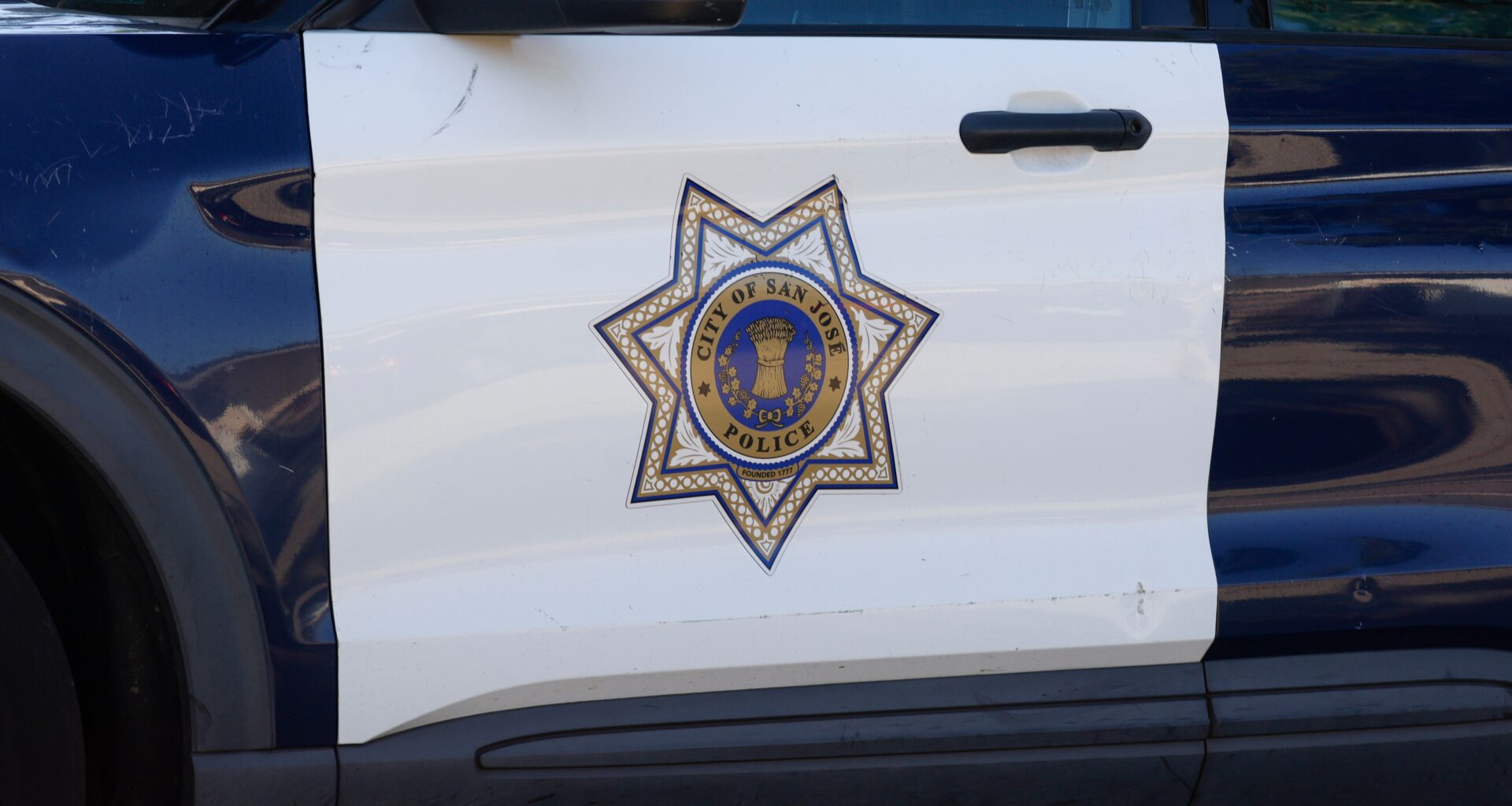
SAN JOSE — A rise in police complaints by the public and the lingering impact of a scandal in which an officer exploited the city’s license plate reader database to help his cousin track down his domestic violence accuser were among the key points in a new audit from San Jose’s civilian police watchdog.
The latest annual report from the city’s Office of the Independent Police Auditor found that in 2025, the city received 326 citizen complaints, marking a 24% jump from the previous year and a five-year high. There were also 48 conduct complaints filed within the department.
Police documented 598 use-of-force incidents last year, a 5% increase from 2024; there was also an uptick in serious injury force cases, from 15 in 2024 to 20 in 2025.
The report documented a stark difference between when the office and police internal affairs unit reviewed conduct complaints made internally, and those made by the broader public. Department-initiated complaints were sustained 69% of the time, while just 8% of complaints from the citizenry were deemed true.
Additionally, the 330 complaints reviewed by the IPA in 2025 alleged 1,034 misconduct allegations — a single complaint can contain multiple claims — which was a 39% rise from 2024. That total includes 438 police procedure allegations, a 58% rise, a 33% rise in courtesy allegations to 144, and a 40% jump in bias allegations to 139.
The office agreed with internal affairs findings 88% of the time at first look, and after pushing for the police department to revisit certain investigations, that agreement rate ultimately reached 96%. The report also states that no bias allegations were sustained by the office.
At a City Council meeting Tuesday where interim police auditor Dwight White presented the report, he sought to contextualize those numbers. White heads the office following the abrupt summer retirement of Eddie Aubrey, a week after Aubrey was placed on a still-unexplained administrative leave.
“What is important to note about these numbers is that they give us insight into the types of police encounters that are generating concerns among community members,” White said. “But I also want to make an important distinction that an increase in allegations does not necessarily mean an increase in misconduct. These are just allegations, and they’re not findings of wrongdoing.”
White added, “I do want to emphasize that effective independent oversight shouldn’t necessarily be measured solely by how frequently we disagree with the police department. Well-supported agreement is just as important as a well-supported disagreement.”
White used the annual report to advocate for more police training and consistent rules on issues, including how officers track suspects through cell phone pings and when officers order people out of vehicles, and curbing officers’ use of profanity as a de-escalation tactic.
But the headlining reform recommendation in the report stemmed from the revelation last month that an SJPD officer was fired earlier this year after the department discovered the officer used his personal phone to access the city’s Flock automated license plate reader camera database and help find a woman who had accused his cousin of domestic violence. The breach occurred in early 2025, according to the police department, and an internal investigation was conducted in the intervening months.
The violation inflamed critics of the plate readers, which have been the subject of litigation against the city on claims of unconstitutional and warrantless surveillance. One of those lawsuits was dismissed earlier this month.
The impact of the related IPA recommendation — to restrict access to law-enforcement databases to police devices and equipment — was blunted somewhat by the police department’s decision to detail the officer’s misconduct more than a month ago, and subsequent city plans to increase audits of database use.
Still, the scandal accounted for most of Tuesday’s public comments about the IPA report.
“The fact is public trust in the police has just been demolished,” Christopher Smith, an Evergreen resident, told the council. “I have friends who no longer feel comfortable calling the police because of the Flock cameras, because they were told one thing and they were lied to. … They don’t know if they can trust the PD.”
Another resident, who identified only as Carmen in remote comments to the council, said, “The issue is that this system gives individuals access to a powerful surveillance tool that can be abused. Safeguards are supposedly in place, yet an officer was still able to misuse the system. If a domestic violence survivor can be endangered, despite these protections, how can the public be confident that others are not at risk?”
While the full council has publicly supported the continued use of the city’s nearly 500 license plate reader cameras, in part by extolling their crime-fighting benefits, the concern was not lost on some members.
“I do think that residents are right to raise concerns about ALPR data security, given some of the disclosures of recent abuses that were, I think, a concern to everyone on this council,” Councilmember Anthony Tordillos said Tuesday. “I don’t think that today’s report is the end of the discussion by any means on this ongoing question about the security of our ALPR data.”
Of the 12 reform recommendations, Police Chief Paul Joseph said the department agrees with or is willing to meet part of the way with White’s office. That includes agreement with a request for the department to provide the IPA with raw investigative materials related to serious use-of-force incidents and police shootings within 30 days of the chief’s conclusion on whether discipline or further punitive action is warranted.
“Our recommendations are grounded in actual cases that we review. And they’re not simply theoretical suggestions. They arise from situations our analysts encounter,” White said. “Effective oversight requires access to be meaningful.”