
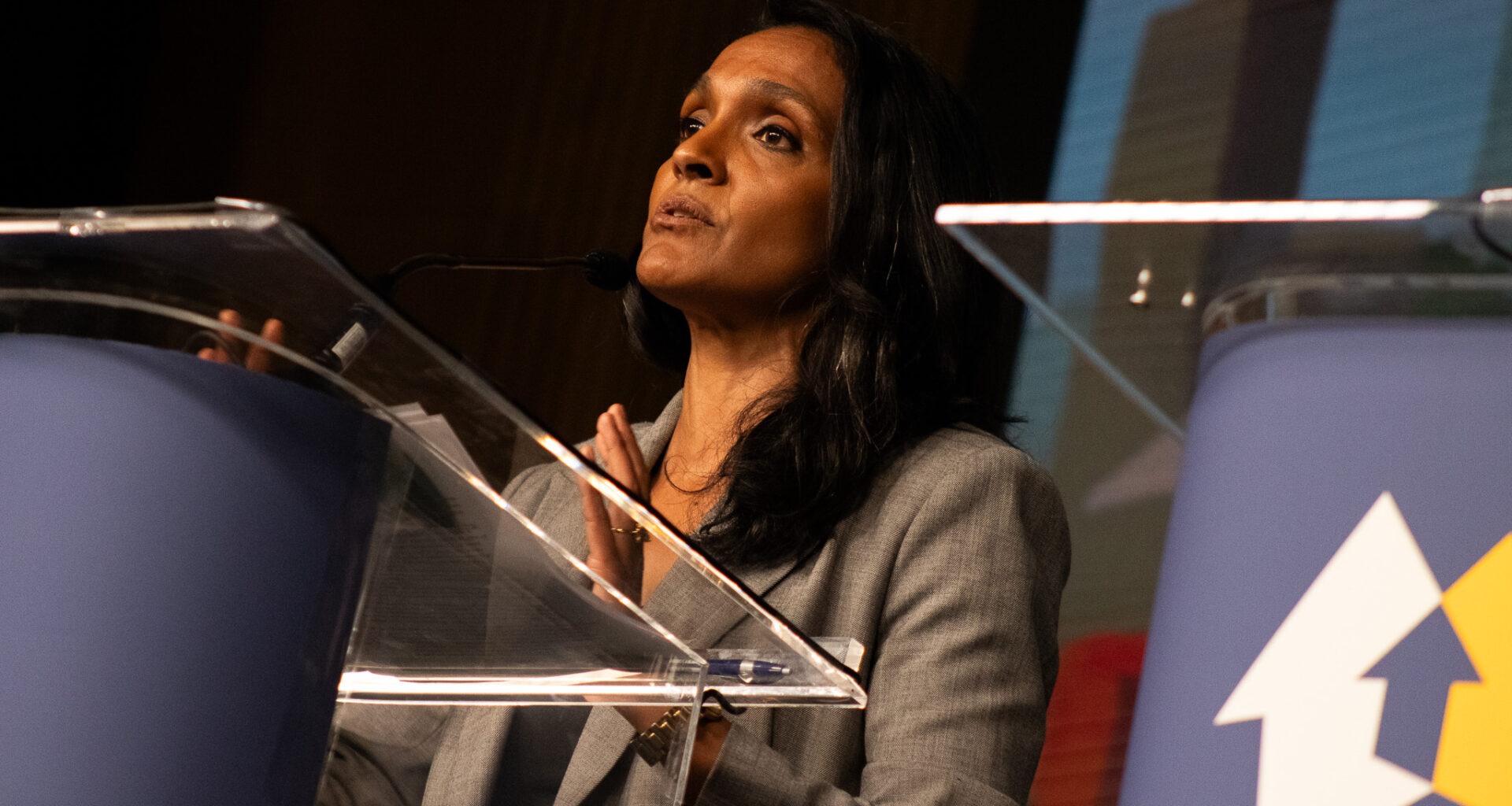
With Election Day approaching, LAPD records expose a problem that starts long before officers arrive at the scene
Los Angeles has no shortage of political promises about public safety.
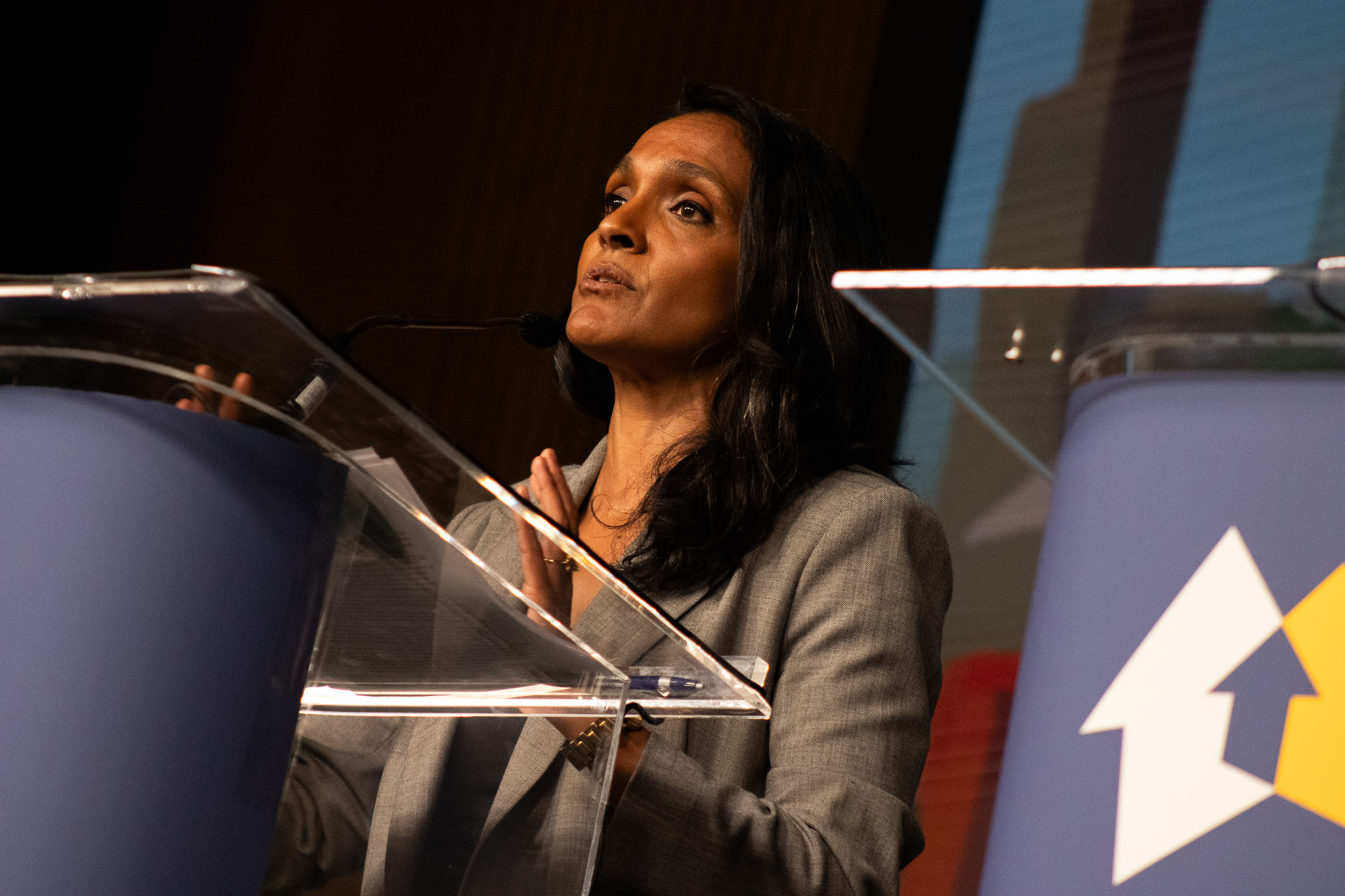
With L.A. voters preparing to choose their next mayor on November 3, much of the debate between Karen Bass and Nithya Raman has centered on policing and crime. There seems to be another pressing issue that affects Angelenos before a police officer ever arrives: How long does it take for someone to answer when you call 911?
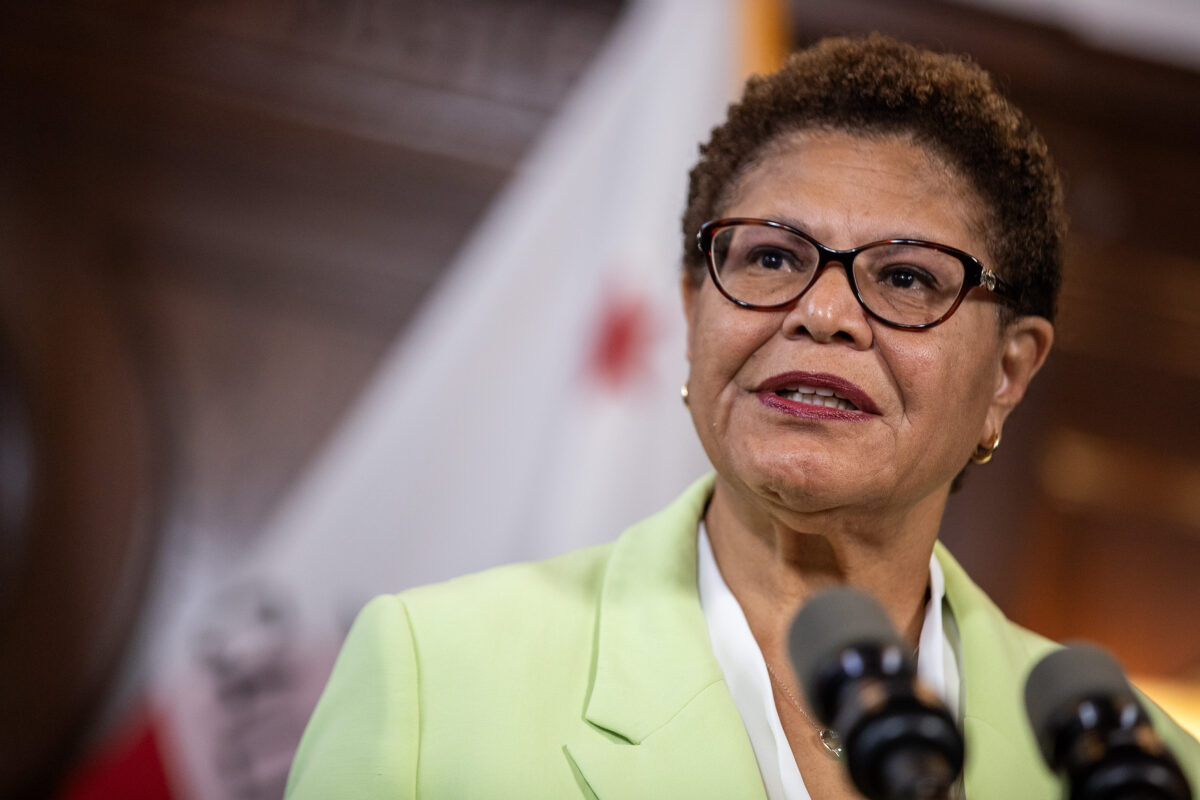 Credit: Brian van der Brug / Los Angeles Times via Getty Images
According to an April 2025 City Council motion citing LAPD data, just 57.43% of emergency calls in 2024 were answered within 15 seconds, falling well short of the 90% benchmark. Non-emergency callers waited an average of 3 minutes and 40 seconds, with much longer waits during periods of heavy call volume.
https://twitter.com/WallStreetApes/status/1924311644366401607?s=20
In one reported incident cited in the motion, a caller reportedly spent an hour on hold trying to report a burglary that had already occurred. The problem? Not enough trained operators to handle the city’s calls. And a subsequent LAPD report offers a closer look at how difficult that problem has been to solve.
In a report dated October 30, 2025, and forwarded to the City Council in February 2026, the LAPD acknowledged that its Communications Division was operating with staffing shortages.
Have Questions? Get Answers!
Scroll to continue reading
As of October 29, 2025, the division had 92 police service representative vacancies. The department estimated that 100 emergency call operators were needed across a 24-hour period to meet the 90% answering benchmark.
The same report revealed that LAPD received nearly 2.95 million 911 calls in 2024 and answered approximately 2.4 million. That doesn’t necessarily mean all those calls went unanswered, since some people may have hung up or called back.
The concerns aren’t limited to Los Angeles, either. Just this week, Oakland’s 911 system suffered a major outage after copper and fiber-optic lines were damaged in what’s being investigated as a potential criminal act. Beginning Wednesday night, dispatchers lost phone service, internet access and their computer-aided dispatch system, forcing emergency calls to be rerouted to the Alameda County Sheriff’s Office. Oakland police temporarily limited the responses to the most urgent calls. By Thursday evening, the dispatch system and internet were back online, but phone service remained disrupted. This is unacceptable.
There have been improvements, however. LAPD reported that staffing increases helped boost the percentage of calls answered within 15 seconds on certain days in August 2025. The issue is relevant to Raman, who introduced the April 2025 motion directing city officials to examine ways to reduce wait times, including dedicated non-emergency operators and a separate system for dispatching unarmed crisis responders. The City Council approved the measure unanimously in September 2025.
Raman has argued that trained civilian responders should handle more calls involving mental health, homelessness and other situations that do not require armed officers.
Bass has also expressed support for expanding unarmed response programs, although the two candidates differ on police staffing and spending. At an October mayoral forum, Bass said homelessness, substance abuse and mental health should be treated as public-health issues rather than traditional law-enforcement matters. The mayor has also defended efforts to stabilize LAPD staffing, which has fallen to its lowest levels in decades.
Raman has criticized the cost of police raises approved under Bass, arguing that the city should invest more strategically in public safety.
The two candidates may disagree on the size and leadership of the police force, but the city’s 911 system presents a more immediate test of their promises. Can Los Angeles hire and retain enough emergency operators? Should non-emergency calls be handled through a separate system? And how quickly could either candidate deliver actual improvements?
With Election Day approaching, those questions remain relevant regardless of who occupies City Hall. Because for someone calling 911 in an emergency, the first measure of public safety isn’t a campaign promise…it’s whether someone picks up the phone.