
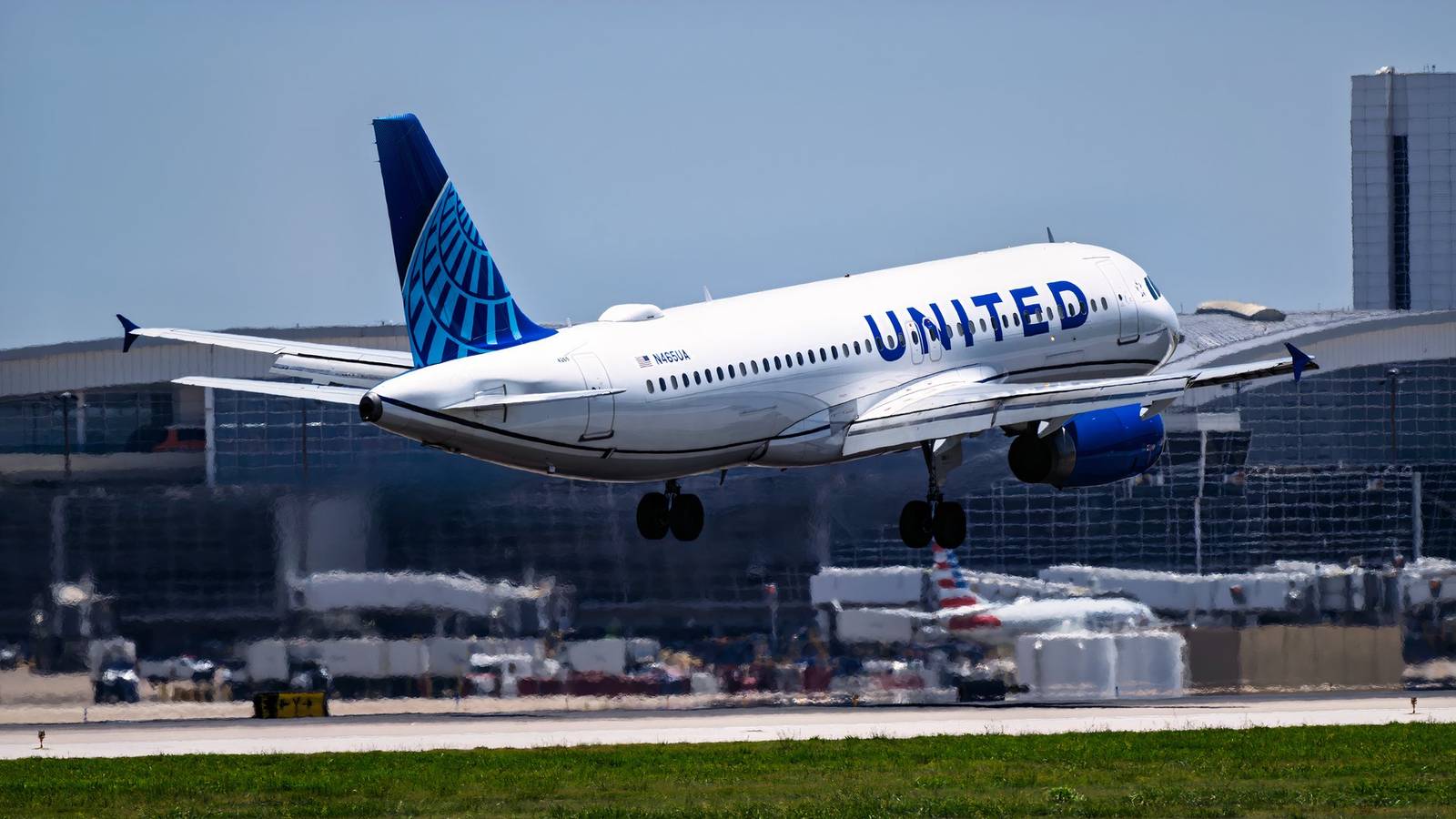
 United Airlines is reportedly opening two new crew bases, and the locations may come as a surprise to a lot of people. The chosen locations of
 Dallas/Fort Worth International Airport (DFW) and Sacramento International Airport (SMF) will bring the airline’s total number of bases to 21. The two new bases will be smaller than their large hubs, which operate hundreds of daily flights.
The new flight attendant bases will supplement its network, which includes 19 other hub and satellite bases. United says DFW will open first, followed by SMF. United plans to open both bases early next year, according to a video announcement on Instagram.
Is United Moving Into American’s Backyard?
Credit: Shutterstock
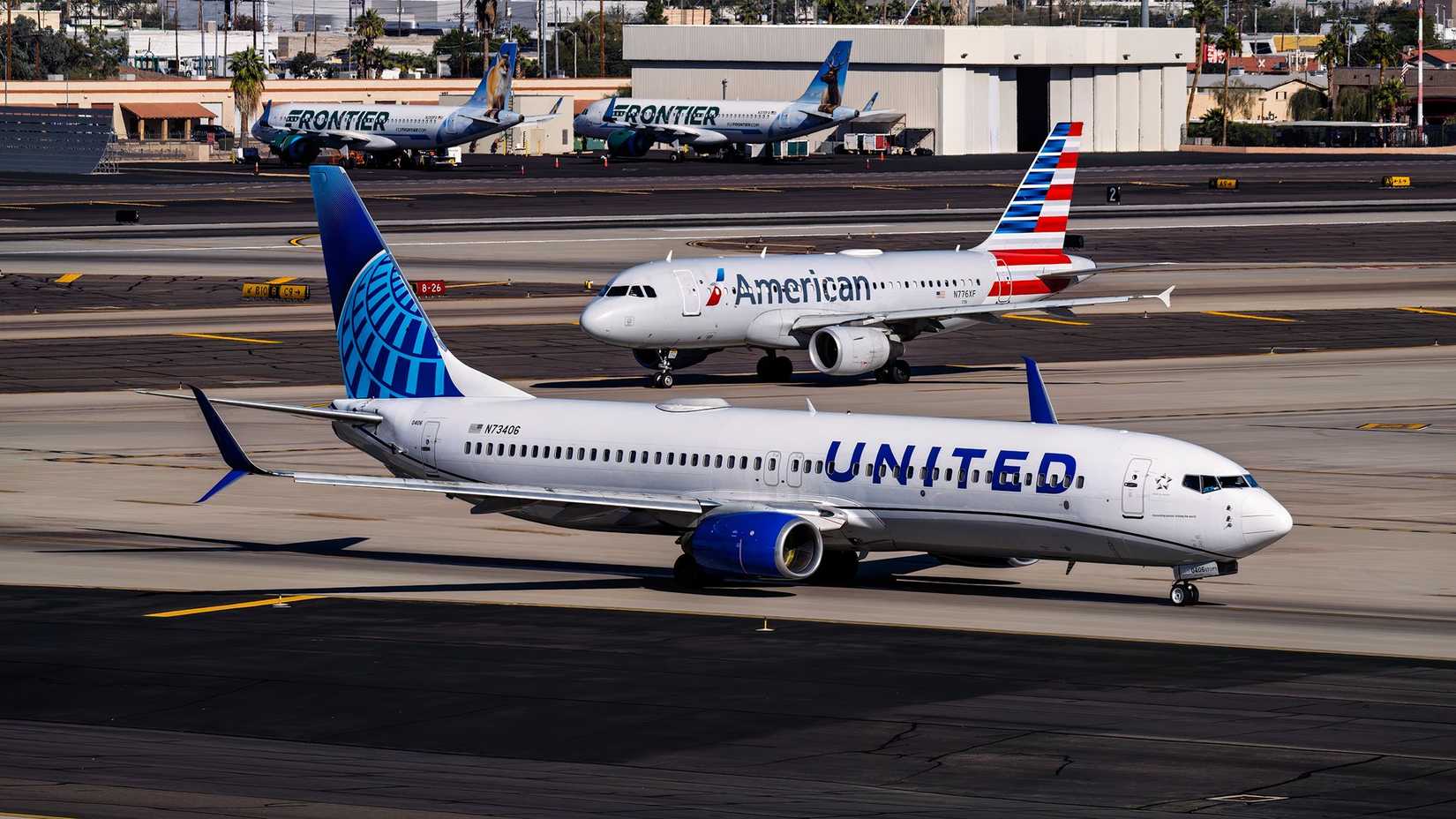
The DFW announcement has raised some eyebrows because the airport is home to  American Airlines. However, United only operates 31 daily departures at DFW. United operates from six gates at DFW in Terminal E — E4-E9. Each gate can support 10-12 daily flights, so United has room to grow if it chooses. These DFW flights currently serve United’s hub cities in Chicago, Denver, Houston, Los Angeles, Newark, San Francisco, and Washington, DC.
From SMF, United operates only 19-20 daily departures, also to its hub cities. United has hundreds of flight attendants based at  San Francisco International Airport SFO who may not live near the airport. This would appeal to people living in the Sacramento area, which has a lower cost of living than San Francisco. It’s about a 2-hour drive from Sacramento to SFO (103 miles), but United flies the route in about 40 minutes.
Convenience & Cost Cutting
Credit: George Wirt | Shutterstock
Adding a flight attendant base doesn’t necessarily mean an airline plans major growth in a city. Flight attendants are assigned bases from which their trips begin and end. If a flight attendant doesn’t live in their base city, they have to commute to that base without pay. The new bases at DFW and SMF will allow United cabin crew members who live in or near those cities to work from their home airport. In an emailed response to SimpleFlying, United said, “These locations were chosen because they will help reduce hotel costs and the need for layovers, and they are a good fit for places where our flight attendants already live. ”
The new crew bases also save United some money. Instead of paying for layover hotels for the flight attendants who end their day at DFW or SMF, they can just go home. A crew base also lets United keep a handful of flight attendants on call and ready for assignment if irregular operations occur. Crew schedulers can assign these flight attendants on the spot to work a flight if another crew is delayed.
Significant delays may cause a crew to “time out,” putting them beyond the legal limit of working hours. This is particularly crucial at DFW, which is often hit by severe thunderstorms and also experiences snow and ice storms in the winter.
Related
United Airlines Unveils 5 New Nonstop Routes: See Full List Now
United is teaming up with Air Canada to give flyers more choices.
Satellites & International Bases
Credit: Michael Take | Shutterstock
United currently has 19 crew bases across its network, several of which are in cities with relatively small operations compared with its hubs. Austin is considered a “satellite” base, with 40-50 daily departures. Fort Lauderdale is another satellite base, with 30 daily departures. In Orlando, United has about 40 daily departures and plans to grow that number to 79 by next year.
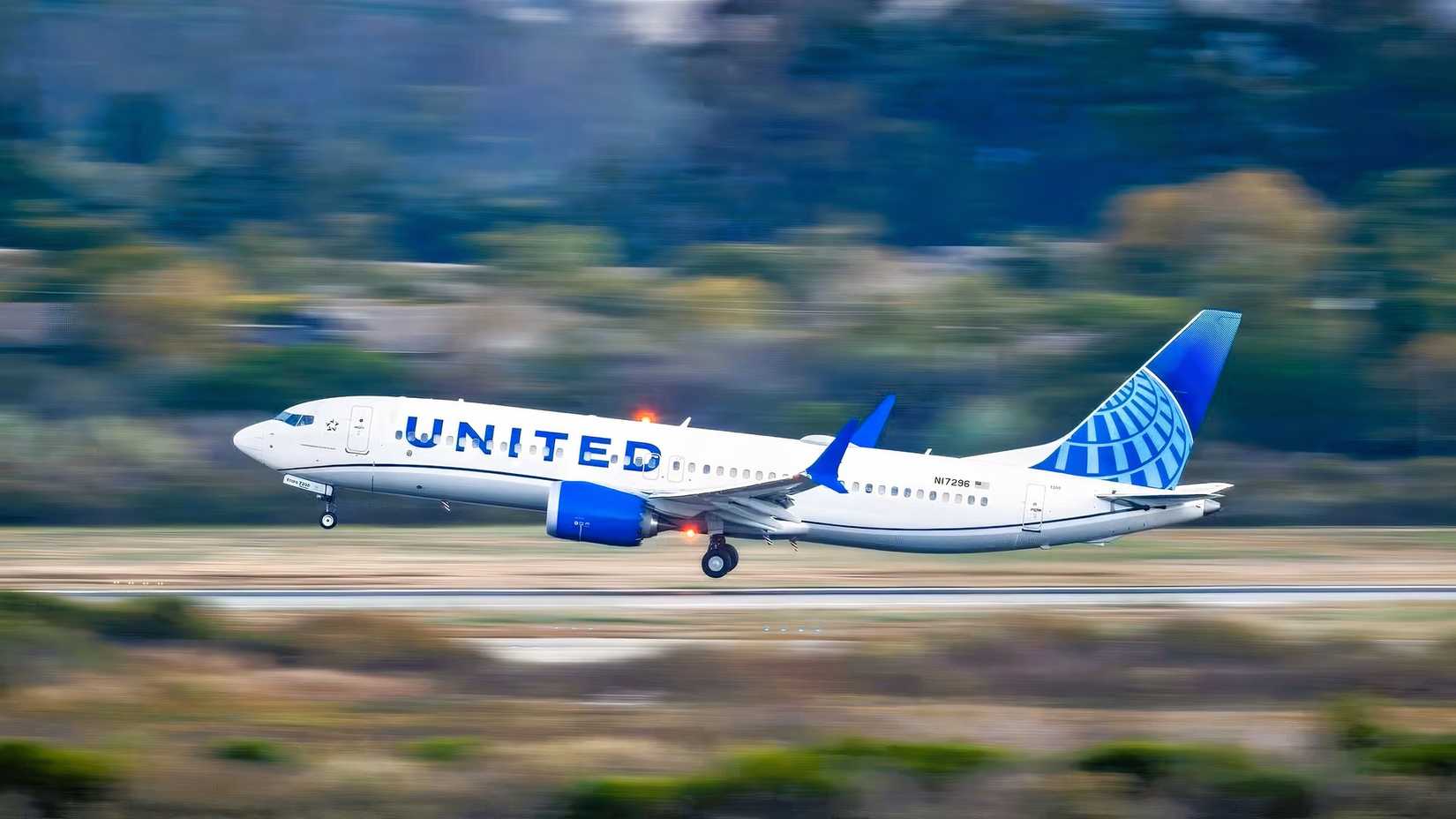
United has two international crew bases — one at  London Heathrow Airport (LHR) and one at Antonio B. Won Pat International Airport (GUM), in Guam. At LHR, United has about 20 daily flights to its domestic hubs, using the Boeing 767, 777, and 787 Dreamliner. Having a crew base at LHR allows United to position flight attendants in other European cities more quickly, if needed. United has about 12 daily departures at GUM. GUM is especially unique because United flies to Pacific destinations from there. United has a sub-fleet of 10 737 MAX 8s.
Commuting can cause headaches for flight attendants who do not live in their base cities and can add several unpaid hours to their time away from home. Newly hired flight attendants are discouraged from commuting, but it can be necessary when the base city’s cost of living is unfavorable for those at the low end of the salary scale.