
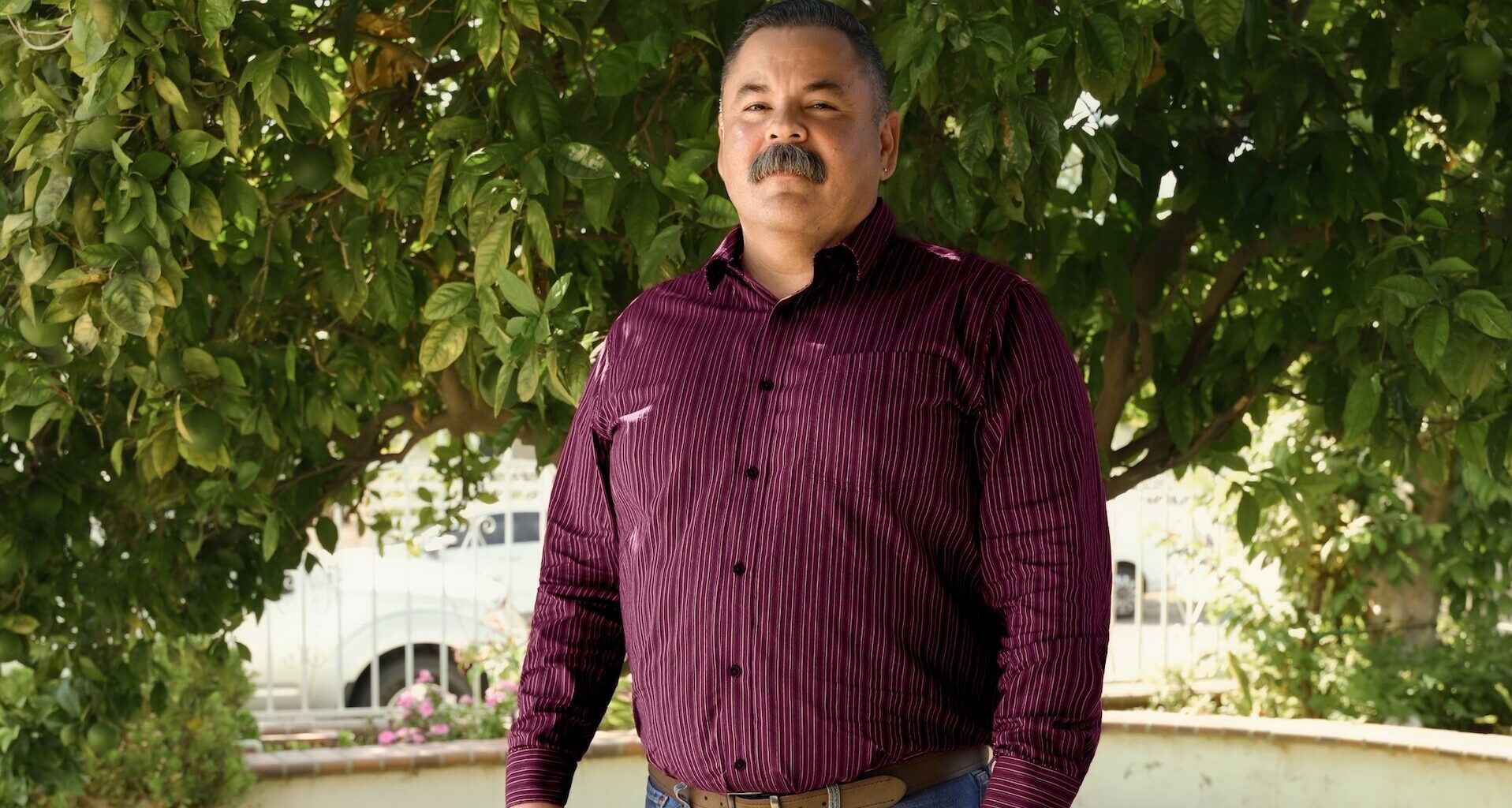
Orange County’s current poet laureate, Gustavo Hernandez, has been an advocate and resource for fellow writers in the community.
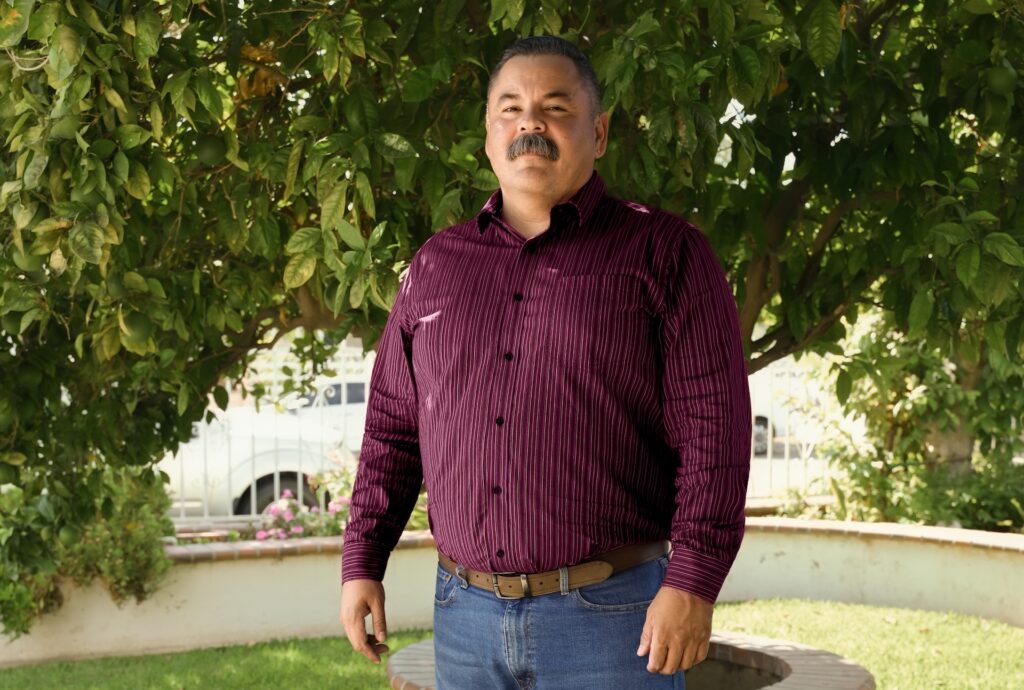 Credit: Irvin Rivera
Born in Jalisco, Mexico, and raised in Santa Ana, Gustavo Hernandez went back to school at 34 to pursue writing. Today, he is a Lambda Literary Award-nominated poet who has published two full-length poetry collections, “Flower Grand First” and “Bachelor.” He strives to be a positive voice of encouragement for Orange County’s writers through monthly office hours at Santa Ana’s LibroMobile and courses he teaches at Irvine Valley College. As his three-year tenure as poet laureate winds down, he is grateful, optimistic, and ready to “watch the tapestry of voices in Orange County grow.”
Was writing and publishing poetry something you saw yourself doing at a young age?
Ever since I was in elementary school, I loved reading books, and I knew that being an author was a thing. However, I think I didn’t believe that being an author was an option for someone from my background because I didn’t see myself in literature. It’s been one of the greatest honors of my life, going back to the community. I get to tell kids, “You can be an author.”
How were your two micro-chapbooks (short poetry collections) part of your journey?
They were a really good way to have something to be able to present to someone, like a calling card. Publishing a full-length book can be a long journey, and sometimes you need that foothold to keep you going. A chapbook is a great way to get that foothold, to make the journey more concrete as opposed to just an idea.
What do you think sets poetry apart from other styles of writing?
What sets poetry apart for me is the capacity to be so emotionally vulnerable so quickly on the page. Poetry is a great way to process your own emotions and connect with people. You can do that with short stories and novels, but poetry is so compressed. That’s one of the big powers that poetry has.
When you’re starting a new poetry collection, how do you begin?
When I start a project, I sort of have a shape in mind. For example, “Bachelor” came about when my niece was born. My first book had ended thematically with the death of my father. My niece was the future. Later, I started refining the idea of the future and my place in it, and it eventually became this study in loneliness and singularity.
What have you learned as a writer since being appointed poet laureate?
It’s been one of the great privileges of my life. I’ve quietly been mentoring our community for almost three years. It’s amazing when someone reaches out, because then I can tell them that I am here. It’s really taught me about humanity and our need to express ourselves, and how having someone there to encourage you is important.
You were the county’s second-ever poet laureate. What do you see as the future of this role?
I’m excited to pass the torch. I think one of the things that I’ve accomplished is I’ve made people in the community excited about the laureateship. We’re not a community that’s been known for our writing, and I want that to change. I want people to know that there are voices here who need to be heard. People should be so lucky to hear these voices.