
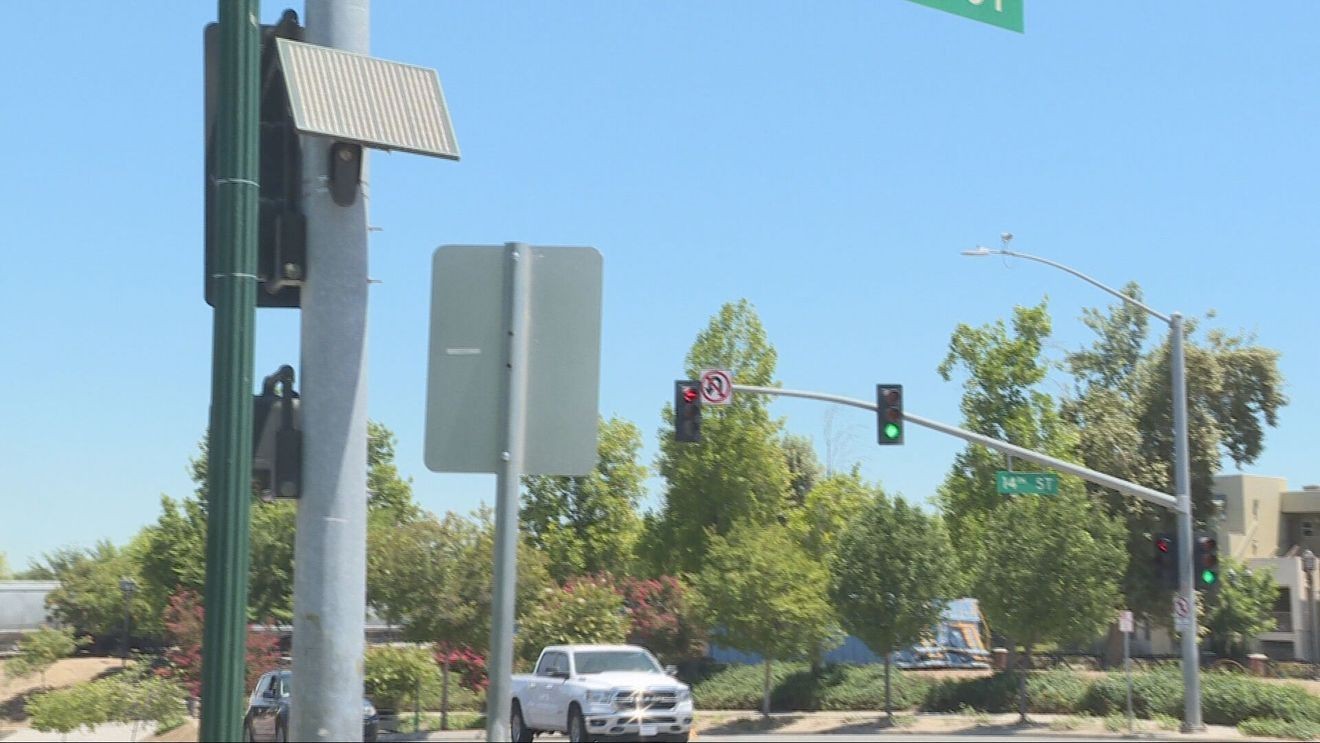
BAKERSFIELD, Calif. (KBAK/KBFX) — A specialized unit inside the Bakersfield Police Department is using cameras, automated license plate readers and other technology to help officers respond to crimes and other incidents more efficiently, according to Lt. Christopher Bagby.
Bagby said the department’s Real-Time Information Center, or RTIC, is designed to “amplify our ability to respond to crimes and other events.”
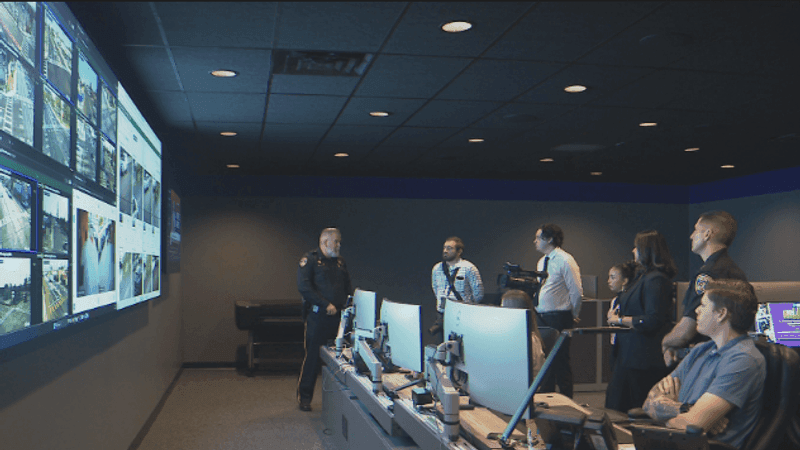
“It helps us be more efficient in how we respond, and it helps us provide the right resource at the right time, at the right location, and improve our outcomes in the field,” Bagby said.
Bagby said RTIC analysts can begin their work with a call for service, review camera footage and turn what they find into actionable intelligence. That information is shared with officers through radio transmissions or computer-aided dispatch notes to help guide their response.
Bagby said the Bakersfield City Council funded the project in about 2024, and it took about 18 months to get the center up and running.
He said the center’s work is “almost exclusively” driven by calls for service from the community, including crimes in progress, emergency safety issues and missing persons. Bagby said the department can use the system to review suspects’ movements away from crime scenes, provide updated physical descriptions and send real-time images to officers in the field.
Bagby said the department’s automated license plate reader system does not necessarily provide immediate information, and the most recent detection may be up to two hours old. The department keeps that data for 30 days unless it is linked to an investigation, he said.
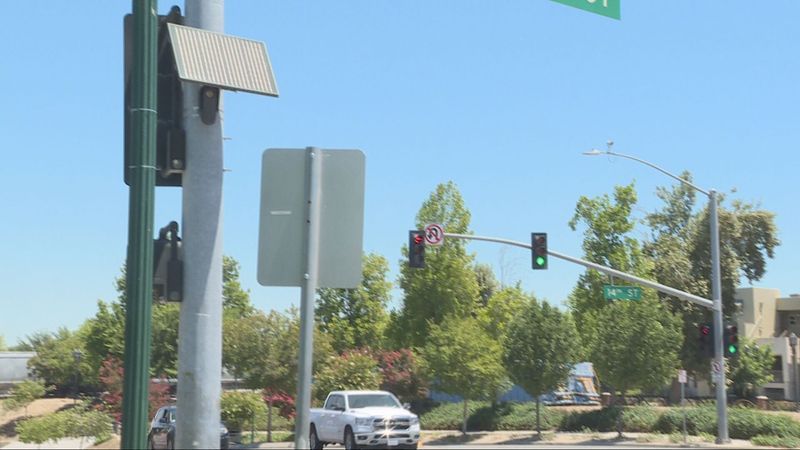
Bakersfield police said a network of license plate reader cameras is helping investigators solve crimes faster, but expanding the city’s contract could cost taxpayers hundreds of thousands of dollars every year. Eyewitness News took a closer look at who has access to the data, how it’s being used, and whether the system is helping solve crimes. PHOTO: KBAK/KBFX
As part of an investigation, Bagby said the department can add a vehicle’s license plate to a “hot list.” If a connected camera detects that vehicle again, it triggers an alert.
Bagby said the department does not “track people.” He said the department cannot automatically search for people based on clothing or physical appearance and rejects that technology because of concerns about accuracy and privacy.
“So we have to balance that here, and we’re not prepared to trade people’s trust for better outcomes,” Bagby said.
Bagby said access to the center’s information is restricted, with live video feeds limited to a small number of authorized personnel. He said he is confident the department has taken appropriate measures to protect against hackers, while acknowledging that, like any technology, the systems can have vulnerabilities.
Bagby also said the department does not share data with federal agencies, including Immigration and Customs Enforcement, but does share some information with other law enforcement agencies.
“We have 700 plus sharing partners in the state of California, only in the state of California,” Bagby said. “We’re not allowed to share outside of California.”
Bagby said the department uses internal logs, random audits and supervisory reviews to monitor how the technology is used. The logs document why searches are conducted, and audit tools can flag unusual activity, he said. Before bringing new technology into the center, Bagby said the department considers not only whether it can use a tool, but whether it should.
Bakersfield Police KBAK/KBFX
Bagby said an analyst was able to quickly check cameras in the area to determine whether additional information could help responding officers.
He said the center can also help determine when a response is unnecessary, allowing officers to be redirected to higher-priority calls. Bagby said RTIC staff may have an active role in changing outcomes on about 250 calls a month, while reviewing thousands of calls daily. Their ability to assist can depend on camera locations, available information and staffing, he said.
Bagby said operators can pull up available cameras within seconds, depending on whether cameras are located in the area. He also said the department has separate mapping tools for calls and camera locations.