
FRESNO, Calif. (KFSN) — A Fresno State engineering professor has developed and patented a new technology he believes could help prevent some wildfires before they start by identifying electrical system problems days or even weeks in advance.
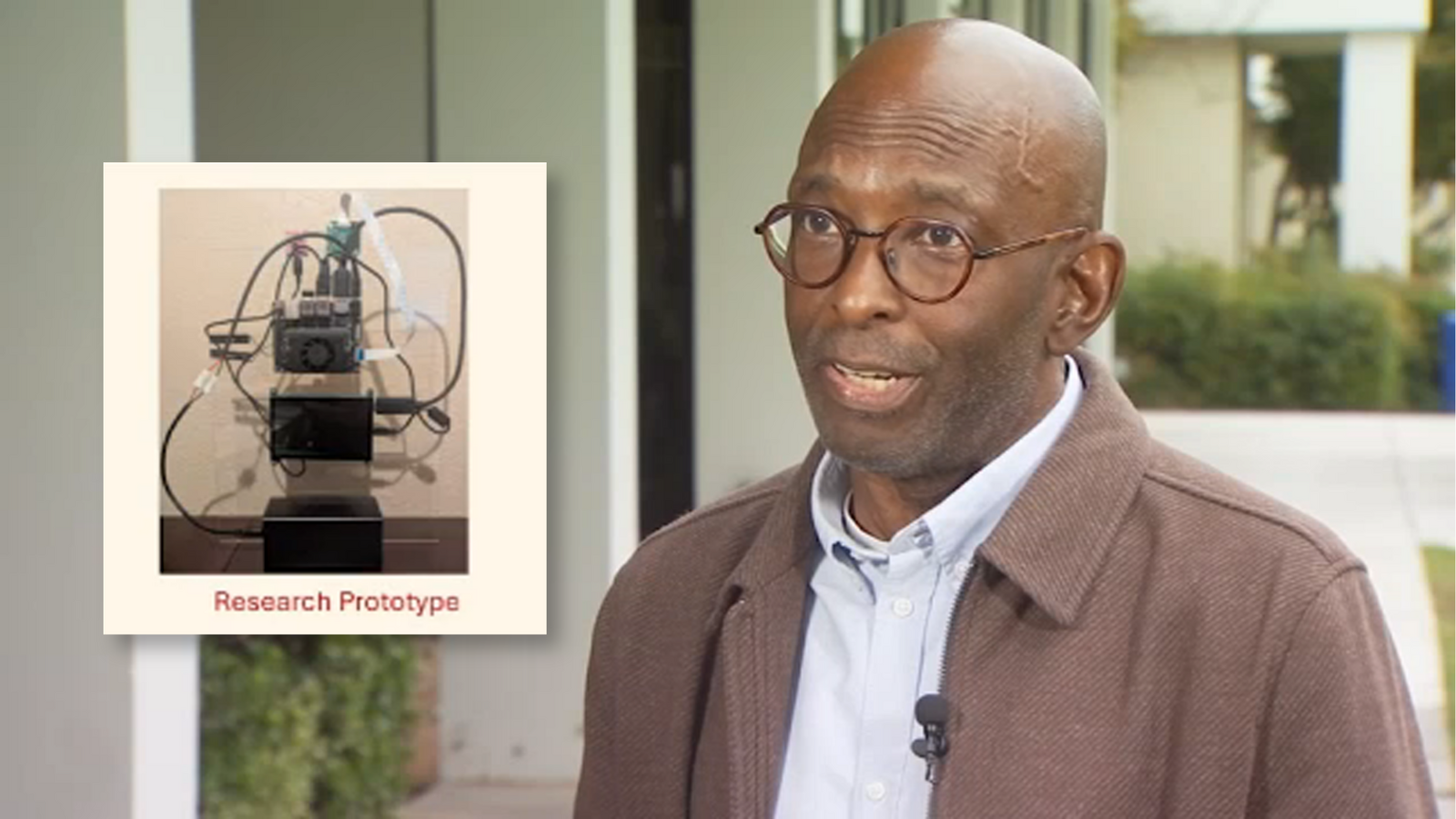
Dr. Kerry McBee, an associate professor of electrical and computer engineering at Fresno State, recently received a patent for his Real-Time Overhead Autonomous Monitoring System, or ROAM, a monitoring system designed to detect conditions that can lead to utility-related wildfires.
“I guess, in a way, you could kind of look at it as my life’s work,” McBee said. “Basically, I’m looking at everything that I’ve learned about failures, about fire investigation, about engineering.”
Before entering academia, McBee worked extensively with power systems, electrical failures and fire investigations. Drawing on that experience, he began studying some of California’s most destructive wildfires and built a database of 25 of the state’s deadliest fires.
Using those findings and a $150,000 grant from the California Energy Commission, McBee developed the ROAM system to address a common challenge: identifying dangerous equipment conditions before they spark a fire.
Unlike traditional systems that primarily monitor electrical performance, ROAM focuses on the physical condition of electrical infrastructure.
“So instead of monitoring the electrical characteristics of the system, it specifically looks at the physical characteristics of the system,” McBee said.
The system uses a network of sensors to monitor potential wildfire risks, including:
Deteriorating power lines and equipment
Abnormal electrical current activity
Pole and line movement caused by wind
Vegetation encroachment near electrical infrastructure
Other physical conditions that may increase wildfire risk
Powered by solar energy, the sensors continuously collect information from the field and transmit it for analysis.
“Behind all that, there is a neural network or an artificial brain, AI, that actually looks at all of this information and determines is there something going on that may lead to igniting a wildfire,” McBee said.
McBee estimates a single ROAM sensor costs roughly $300 to build. Including installation and supporting equipment, he estimates deployment would cost about $5,000 between each set of utility poles.
Because of that, he believes the technology could offer a more cost-effective and faster alternative to burying power lines underground in certain areas.
The newly patented system is still being refined, but McBee and his collaborators are now working on a market-ready version. Their goal is to partner with major electrical equipment manufacturers and utility companies to bring the technology into widespread use.
“This was essentially wrapping up all the knowledge that I’ve had about all the different failures and trying to figure out how can we prevent this? How can we save lives? How can we stop the fires?” McBee said.
Researchers hope to launch pilot programs with utility providers in the coming months to further test and refine the technology before broader deployment.
For news updates, follow Jessica Harrington on Facebook, X and Instagram.
Copyright © 2026 KFSN-TV. All Rights Reserved.