
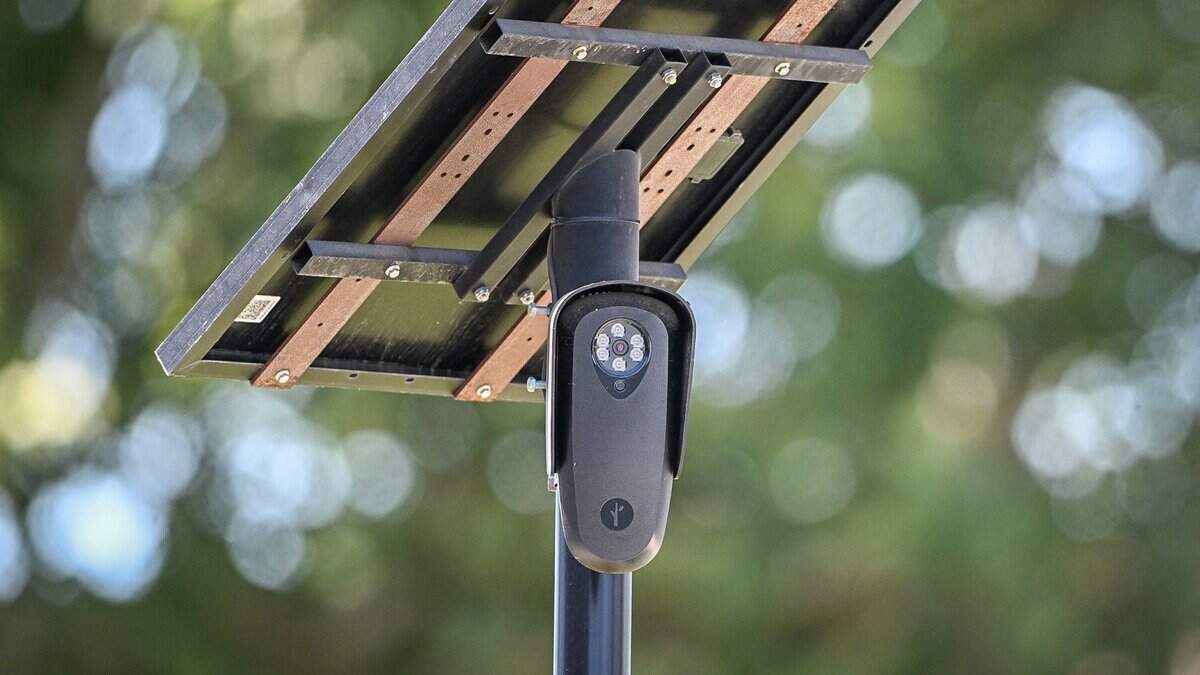
The city of Fresno in California will not renew its contract for controversial Flock Safety cameras, though it will seek another company to manage the city’s license-plate readers, city leaders announced Friday.
The contract with Flock Safety sunsets in February, and city and law enforcement leaders said the company has proven to be too susceptible to misuse to be renewed to run Fresno’s automated license-plate readers, also called ALPRs.
“It is very apparent that the safeguards that they have put in place have not proven to be effective,” Mayor Jerry Dyer said Friday at a news conference. “Although Flock has made modifications to prevent unauthorized access in the future, the reliability of these safeguards are a real question for us as a city, and so as a result, the city of Fresno will not be renewing its contract with Flock when it expires.”
The city owns the camera equipment and pays Flock for the service that runs the ALPRs. Fresno officials announced earlier that the city has been considering adding a feature that could link private cameras to the police network on a volunteer basis.
While defending ALPRs as a useful crime-fighting tool, leaders said Friday that recent and older breaches of the system have cast doubt on Flock security.
A Fresno police officer is under investigation after the department accused the cop of abusing Flock Safety cameras for reasons not connected to a criminal investigation.
Fresno Police Chief Mindy Casto also pointed to a breach from “years ago” in which a small Midwest police department searched cameras throughout the country, including in Fresno, for a reason that was only described in the system as “immigration.” She said police departments in California are not allowed to share data with agencies outside the state.
Casto and Dyer stressed that the city does not share any of its data with officers from the U.S. Immigration and Customs Enforcement, also called ICE.
Casto on Friday shared numbers from the department showing crime has fallen since 2021 in investigations of murder, rape, assault, shootings, all categories of burglary and other illegal behavior. She attributed the decrease in crime in part to the cameras, which can be used by officers to look for a certain car driven by someone police are seeking.
“Fixed license-plate readers are one of the primary reasons we’ve been able to significantly reduce both violent and property crime in our city over the past several years,” Casto said. “And as with many areas in law enforcement, we’re doing our best to strike a balance between using the technology to make our city safer, while upholding the constitutional rights of every person in our community.”
Officials said the security of such cameras is a concern in many places, not just the city of Fresno. Crime rates have fallen across the country at the same time Fresno’s has trended downward.
The city’s three-year contract with Flock goes back to 2023 at about a half-million dollars a year, totalling $1.5 million. It has been paid through a state Organized Retail Theft Prevention Grant.
A spokesperson for Flock sent The Bee a statement on Friday, highlighting its security protocols. The company said it now tracks each search through a permanent audit trail.
“We’ve announced that Audit Assistance and documented case-code requirements will be required for all law enforcement customers by the end of 2026,” the statement said. “We’re also implementing proactive lockout to suspend access when activity meets defined criteria for abnormal behavior, pending administrator review. We’ll continue strengthening safeguards and working with agencies to support responsible use.”
Councilmember Nick Richardson said he plans to introduce a new city ordinance to regulate such surveillance cameras. The police department has its own policies around ALPR cameras, but Richardson said his ordinance would codify the rules across the city and be more rigorous.
“Our goal is to establish a consistent citywide framework that provides those clear expectations, restrictions and accountability for the use of this technology for future chiefs, future mayors, future city managers, future councils in years to come,” he said.
The Fresno City Council will see something of a regime change in the new year with potential new members who have been critical of Flock. Council member-elect Ariana Martinez Lott and Naindeep Singh, who is currently leading in his race, have been critical of the city’s contract with Flock.
Dyer, Casto and Richardson said their plans to find a new company to run the cameras and writing a law that governs them predated the election this week and are not a reaction to the incoming new council.
Other cities have rethought the use of Flock. The Los Angeles City Council, for example, decided in early July to renegotiate its contract after residents pushed back over privacy concerns.
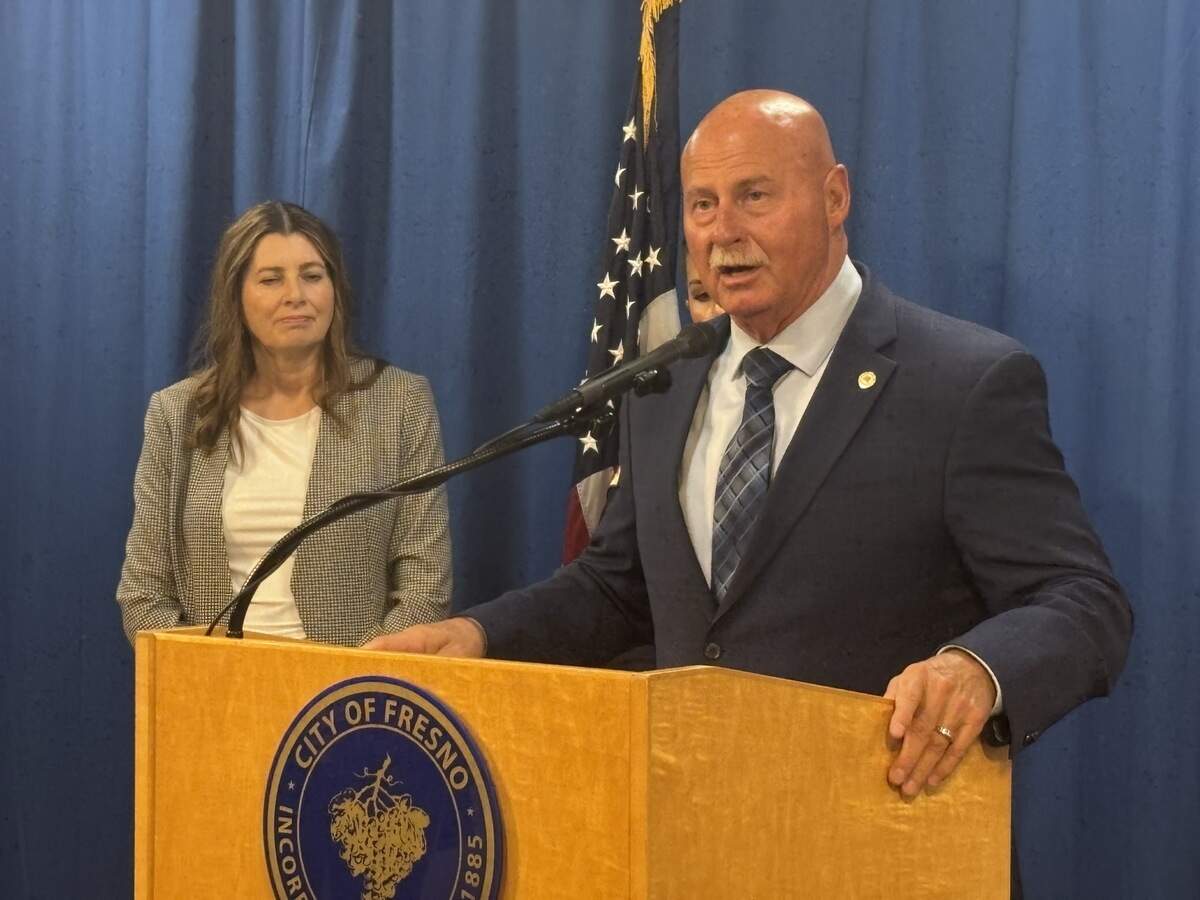 Mayor Jerry Dyer said Friday, Nov. 6, 2026, at City Hall that the city of Fresno will not renew its contract with Flock Safety, but will instead seek another surveillance company. THADDEUS MILLER tmiller@fresnobee.com
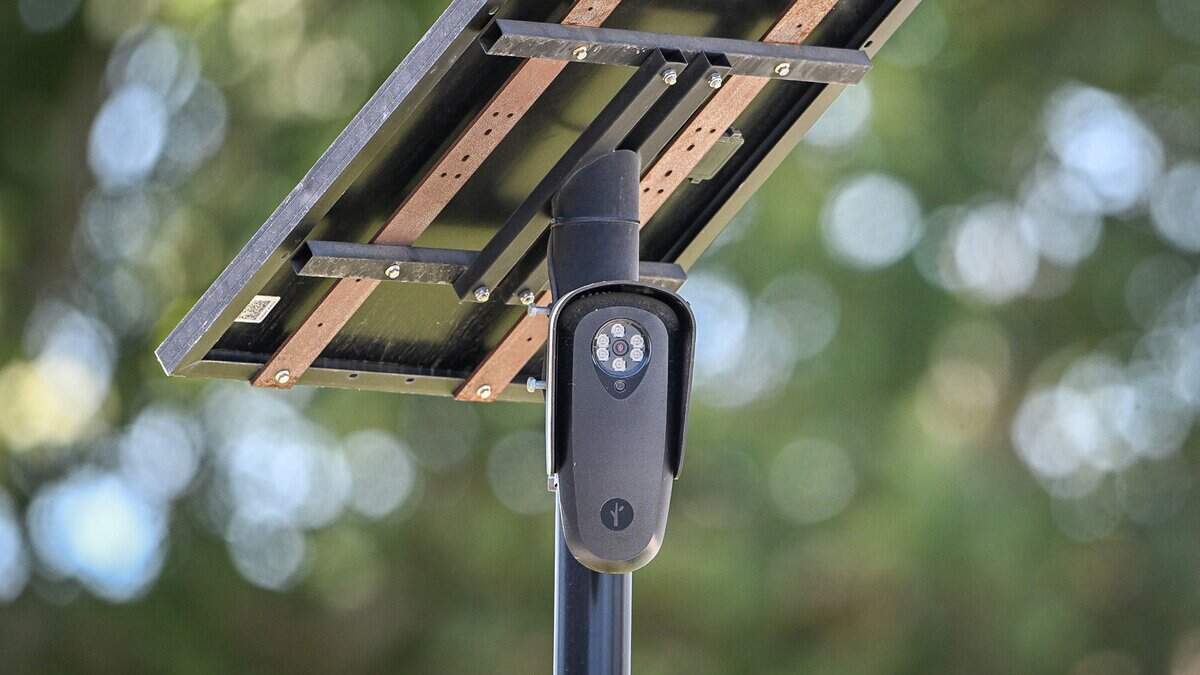 One of Fresno’s Flock cameras is shown on Blackstone Avenue near River Park Shopping Center on Wednesday, July 29, 2026. Police say the cameras are used to capture license plates. Craig Kohlruss
Related Stories from Sacramento Bee

Merced Sun-Star
Reporter Thaddeus Miller has covered cities in the central San Joaquin Valley since 2010, writing about everything from breaking news to government and police accountability. A native of Fresno, he joined The Fresno Bee in 2019 after time in Merced and Los Banos.