
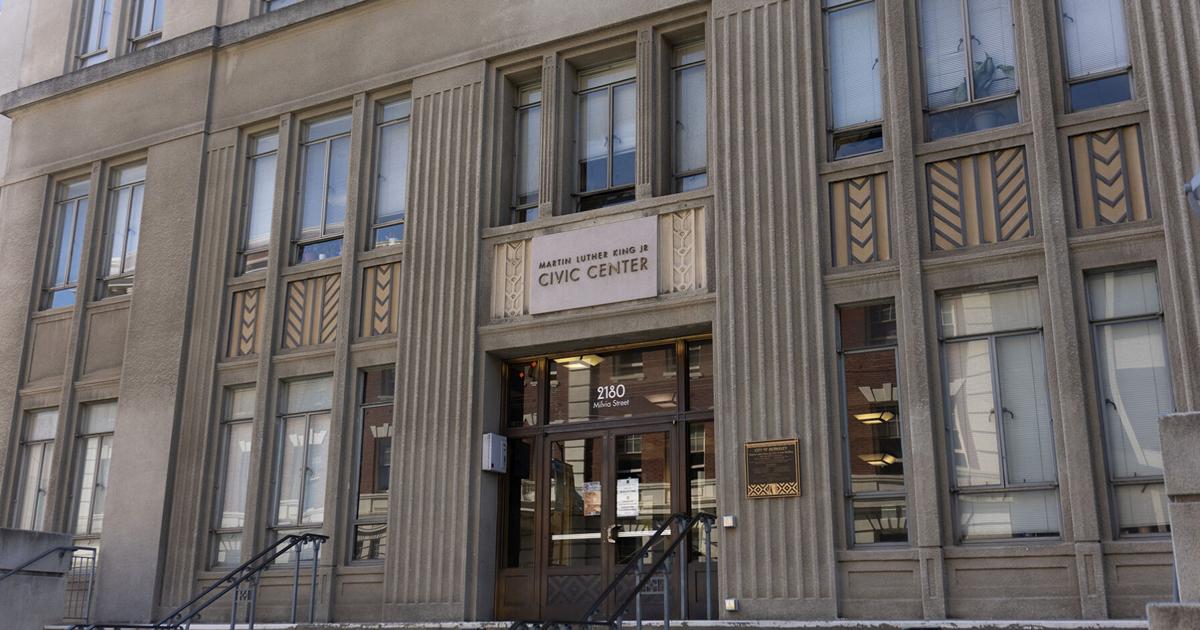
The Berkeley City Council approved the Berkeley Police Department’s annual surveillance technology report and referred changes to the city’s landmarking petition process during its Monday meeting.
Here are some takeaways from the meeting:
1. Item 11: BPD’s surveillance report covers the use of body-worn cameras, drones, GPS trackers and automated license plate readers, or ALPRs. The city’s audit found that all BPD users complied with department policy, while 99.81% of permitted external searches met standards. Additionally, ALPRs have led to at least 52 arrests, including for commercial burglaries, robberies, sexual assault and homicides, according to BPD Chief Jennifer Louis.
“Investigators have also used ALPRs to assist in at least 29 other cases,” Louis said. “Which means that the technology is playing a role both in immediate emergency response and also in longer-term investigations.”
Three Southern California agencies searched BPD’s ALPR data. The searches were flagged as possibly related to immigration enforcement and the agencies were promptly removed from the system. BPD has since cut off all access to Berkeley’s information by disabling the national search toggle.
Why it matters: The changes come after community concerns regarding whether ALPR data could be accessed by federal immigration enforcement. BPD moved to strengthen its protocols, including requiring outside agencies to sign agreements affirming compliance with local sanctuary city values.
“I think immigrants and our vulnerable populations deserve honest skepticism of new technology,” said District 7 Councilmember Cecilia Lunaparra. “I’m concerned that this is not going to be the last time we go out of our depth with new technology, and I think that the stakes are too great to risk it.”
The Police Accountability Board submitted a letter earlier that day requesting that reports be sent to the board before publication. According to Louis, the board had the audit report for 30 days prior to the meeting.
2. Item 12: The council referred a proposal to the city manager and city attorney to raise the number of residents needed to initiate a historic landmark petition from 50 to 200. For properties in residential zones, the proposal would also require 51% of nearby residents within a 300-foot radius to sign the application.
District 1 Councilmember Rashi Kesarwani mentioned shared council members’ concern with “some of the frivolous attempts to landmark every structure.”
“When we establish a landmark, it should be an expression of broad community appreciation for a structure,” said District 8 Councilmember Mark Humbert. “When a small and self-selected group of people are able to repeatedly initiate landmarks with minimal effort and community support, our landmark procedures are no longer effectively serving that broad public interest.”
Why it matters: These proposed changes aim to reduce what some view as a misuse of landmark petitions to delay development. Public commenters offered mixed opinions, with some agreeing that current rules are easy to exploit and others concerned about preserving historic or culturally significant sites.
“A preference for certain aesthetics should not have any force of law whatsoever,” said one public commenter. “This proposal tonight is a moderate and truly incremental reform.”