
Joseph Sohm / Shutterstock
Save
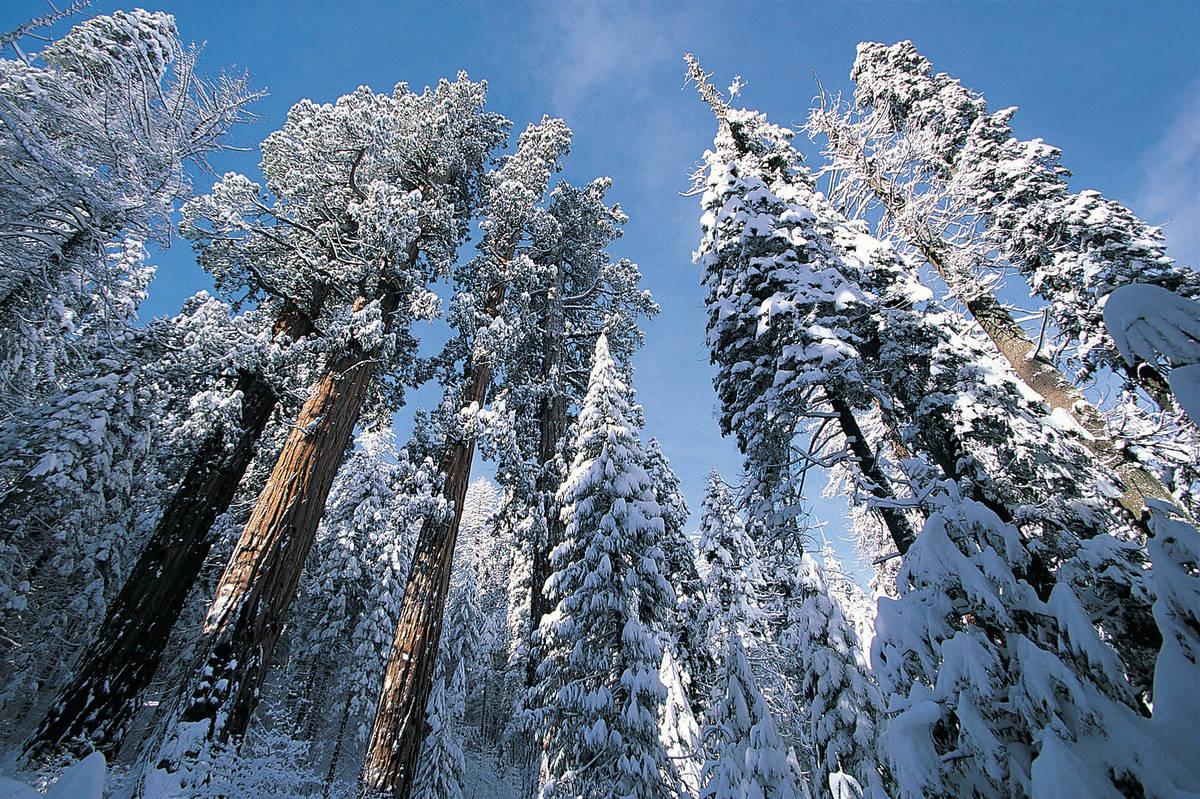
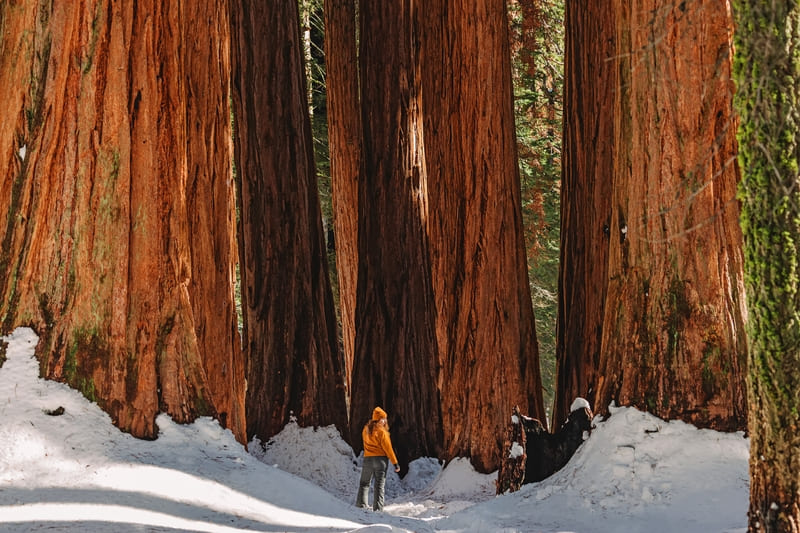
Visiting California’s Sequoia National Park during the winter is a uniquely magical experience. With fields of bright white snow contrasting against the towering trunks of the world’s tallest trees, guests are treated to a breathtaking winter landscape that feels otherworldly.
With fewer crowds in the winter, the park takes on a quieter and more peaceful atmosphere. Would you make the 5-hour drive from San Francisco?
Winter in Sequoia National Park
With the forests blanketed in snow, visitors can appreciate the majesty of California’s ancient redwoods in a uniquely beautiful and peaceful setting away from the summer crowds.
Snowfall at higher elevations can begin as early as October, with the heaviest snow typically arriving from December through March. In some areas, snow can linger until May.
 Chiociolla / Shutterstock
Popular winter activities include sledding at Wolverton Meadow, as well as snowshoeing or cross-country skiing along the park’s scenic trails. Iconic landmarks like the General Sherman Tree and the Congress Trail remain open and accessible throughout winter.
Note that, according to the National Park Service, the park’s popular free ranger-led snowshoe tours won’t be available in 2025. In previous years, they began in mid-January, so check back later in the season for any updates. Private snowshoe tours, however, may still be offered through the Sequoia Parks Conservancy.
Planning Your Winter Visit
If you’re heading to Sequoia National Park in winter, be sure to dress warmly and pack layers. From December through March, daytime temperatures usually range from 20°F to 40°F, with average snowfall around 37 inches.
Road conditions can be challenging—icy patches, sharp turns, and steep grades are common. Snow chains or winter tires are required by law, and park rangers enforce this rule between November and March.
Before setting out, always check the park’s official website or call ahead for the latest road and weather updates.
🌐 Website: National Park Service