
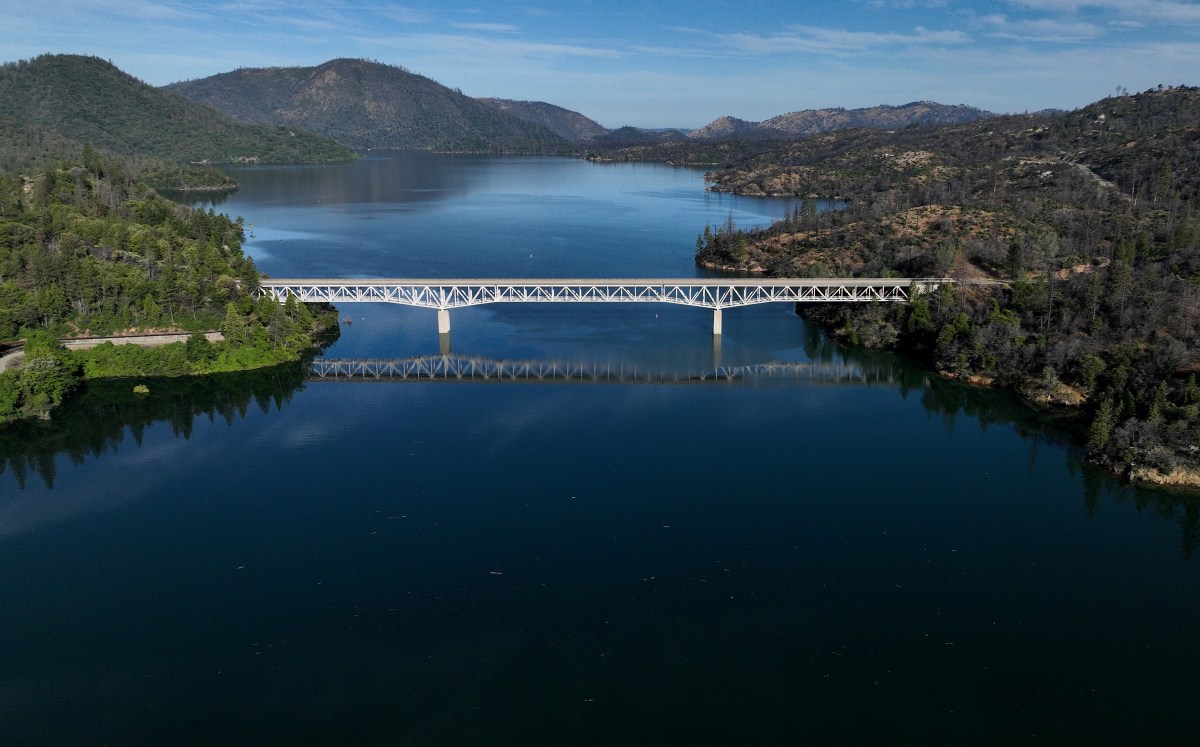
California reservoir water levels are in “incredible shape,” with all of the state’s major reservoirs at or above 100 percent of historical average for this time of year, according to data from the state’s Department of Water Resources (DWR).
Newsweek reached out to the DWR by email for comment.
Why It Matters
California’s water storage levels have surged to some of the highest seen in recent years, providing critical relief after years of persistent drought.
All of the state’s major reservoirs, which serve as key water sources for nearly 40 million residents and vast agricultural operations, now hold 100 percent of the average capacity for this time of year or above, helping to safeguard water supplies for the hotter, drier months ahead.
This remarkable turnaround highlights the state’s vulnerability to climate extremes and the ongoing importance of robust water management.
The Sierra Nevada snowpack plays a crucial role in replenishing these water bodies and influencing allocations for urban and agricultural use. These developments are particularly significant given California’s history of recurring droughts and water shortages, which can have cascading impacts on local economies and the environment.
 What To Know
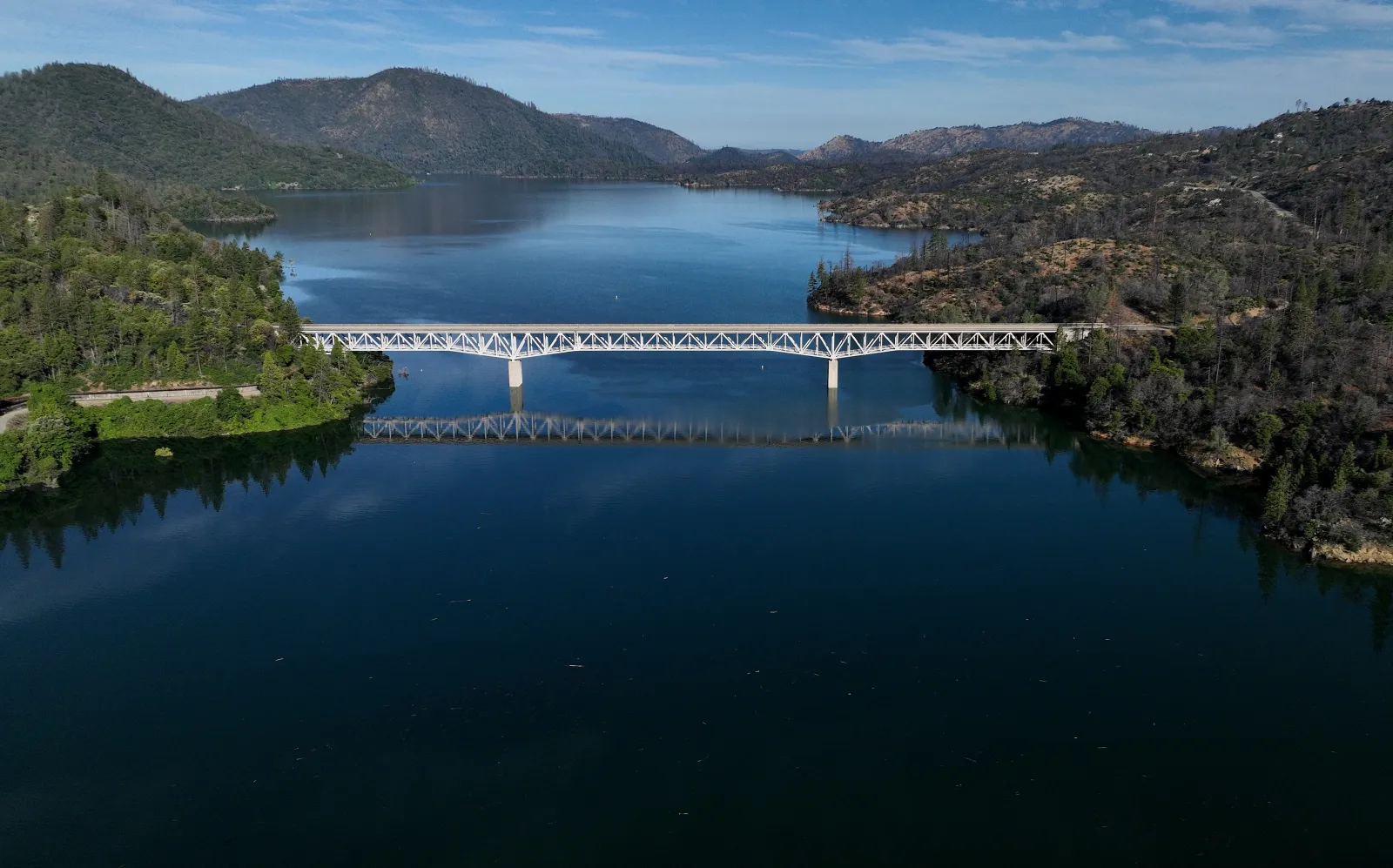
Major reservoirs across California are now holding nearly 6 trillion gallons of water, pushing statewide storage to 115 percent of normal levels for this time of year, a post on X from extreme storm chaser Colin McCarthy said.
Loading twitter content…
Data from the DWR confirms this surge, reporting that several reservoirs have not only recovered from previous lows but have surpassed their historical averages for this time of year.
For example, Lake Oroville, California’s second-largest reservoir, is at 101 percent of its historical average, which puts it at 52 percent of capacity. Lake Shasta, the largest in the state, sits at 109 percent of average, or 59 percent capacity, while further south, New Melones Reservoir stands at an impressive 126 percent of its historic average.
The dramatic increase comes after a wet start to the winter season, with numerous atmospheric rivers delivering substantial precipitation and snow in the Sierra Nevada. Most recently, an atmospheric river hit Southern California, saturating Los Angeles and surrounding areas earlier than normal for the season.
The snowpack, which feeds the state’s rivers and reservoirs as it melts, peaked at 99 percent of normal last spring, marking a third consecutive year of average or above-average accumulation.
What People Are Saying
DWR Director Karla Nemeth said in a press release when the new water year began in October: “There is no such thing as a normal water year in California. Just in the past two winters, deceptively average rain and snowfall totals statewide masked the extremely dry conditions in Southern California that contributed to devastating fires as well as flood events across the state from powerful atmospheric river events. California must be ready to respond to emergencies from droughts to floods to fires.”
McCarthy in a post on X: “California’s water storage is in incredible shape at 115% of normal statewide, with reservoirs holding nearly 6 trillion gallons of water.”
In a separate post, McCarthy said: “Incredible news for Southern California. This past week’s heavy rainfall completely erased drought in Los Angeles, Ventura, and Santa Barbara counties.”
Loading twitter content…
What Happens Next
While the current water levels are above average, state officials and experts warn that California is not free from risk. Prolonged drought cycles and changing climate patterns could quickly undermine current gains if dry conditions persist in future years.
Water managers continue to monitor snowpack runoff and reservoir inflows. Temporary abundance, while encouraging, underscores the ongoing need for careful management, conservation, and investments in infrastructure to prepare for inevitably dry years ahead.