
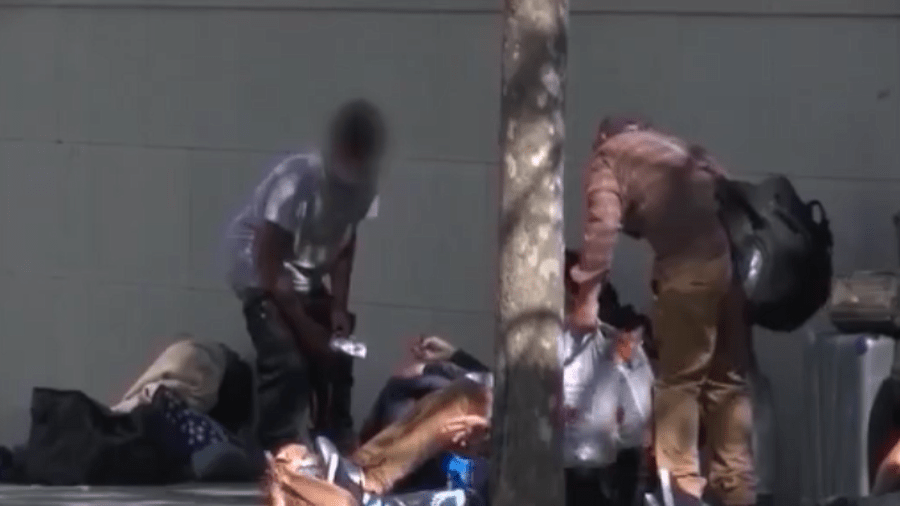
SAN FRANCISCO (KRON) — The City of San Francisco is taking a new approach to address the drug crisis on its streets. Starting next spring, Mayor Daniel Lurie says a law-enforcement-led sobering center will open on 6th Street.
KRON4’s Lindsey Ford spoke with operators of sober living homes in the city — and they said this location is part of the major concerns. Watch the full report in the video player above.
Bay Area middle schoolers find loaded gun during field trip to public park
Last week, San Francisco Mayor Daniel Lurie and San Francisco Sheriff Paul Miyamoto rolled out a new plan to clean up the city’s streets.
They say anyone caught intoxicated or using drugs in public will be arrested — but this time, they’ll have a new option.
“Treatment or jail,” said Mayor Lurie. “We’re not going to tolerate people continuing to use fentanyl on our bus stops and in our streets.”
“We’re not arresting people for their behaviors. We’re trying to help them and so sometimes you have to meet people where they are,” said Sheriff Miyamoto.
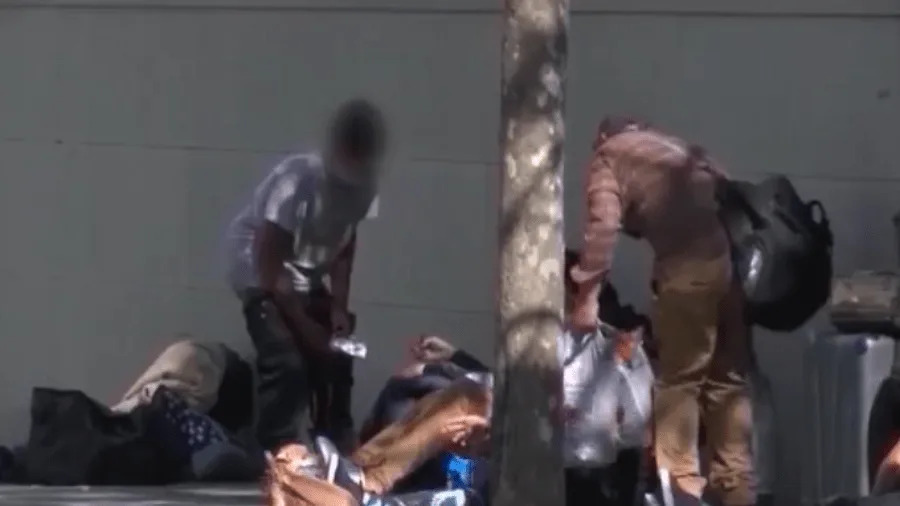
Photo: KRON4 News.
Come next spring, detainees who choose treatment over arrest will be taken to a law-enforcement-run sobering center.
“It’s going to be a site in which falls between a jail and a hospital and provide a sober environment for four to six hours while having access to clinicians and support staff,” added Miyamoto.
Sheriff Miyamoto said detainees can stay up to 24 hours.
But Adrian, who lives in a sober living home, fears it’s only a short-term fix for people battling addiction. “I love the idea of getting more resources out there. My worry is that I don’t want to be another one of those situations where it’s like a place to leave people uncared for and to get people off the streets.”
Julie Archer, founder and director of a San Francisco-based sober living facility named Potentials Unlimited Sober Living Environment, said addiction has many complex layers.
“It’s not a matter of just putting them in a sober house for six hours, because, as soon as they get out, they’re going to be craving. It’s just not enough. They’re going to go right back, and to have a location like 6th Street — that’s a trigger within itself,” said Archer.
Archer says location matters and 6th Street is already a hotspot for drug activity.
One of her sober living homes is in the Cayuga Terrace neighborhood, and she believes real recovery starts only when people get hospitalized and receive a proper psychiatric diagnosis before entering sober living.
“Because a lot of these addicts have a lot of trauma, a lot of trauma,” added Archer.
Adrian said living in a sober living facility has helped him. His other concern about the law-enforcement sobering center: how will the city follow up to support long-term recovery — especially for people who are unhoused and have no address to reach them?
“It’s a lot easier to pick up a pipe, or a needle, than to actively look for a job… apply for resources from the city,” said Adrian.
Archer said she’s seen family and loved ones struggle with addiction — and believes real recovery only happens when the person wants help, not when they’re forced into it. “They might have some bumps in the road but as long as they pick themselves right back up, keep doing what they’re doing, they’re going to stay sober. But you have to want it, you have to want it.”
Copyright 2025 Nexstar Media, Inc. All rights reserved. This material may not be published, broadcast, rewritten, or redistributed.
For the latest news, weather, sports, and streaming video, head to KRON4.