
Berkeley’s total vacancy rate for lab spaces in the third quarter, or Q3, of 2025 came to 51.6% — numbers well above the average vacancy rate for the Bay Area and neighboring cities along the northern part of Interstate 880, according to a recent Jones Lang LaSalle report.
At a time where constraints on federal funding and tariffs are prompting reevaluation of real estate decisions, the Bay Area’s property market for life sciences demonstrated “weakness” in Q3 2025, which includes July, August and September, according to Coldwell Banker Richard Ellis.
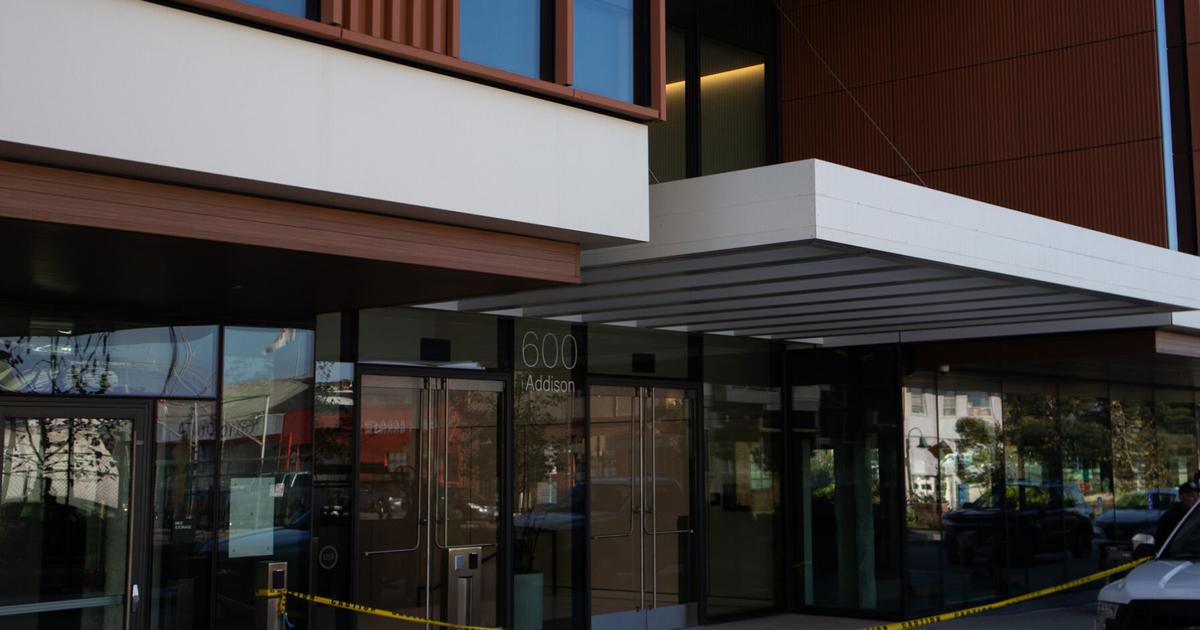
Spaces in Berkeley built for life science developments, such as Berkeley Commons on Addison Street, remain vacant and waiting for tenants. Elizabeth Redman Cleveland, Berkeley’s chief strategist of sustainable growth, said there are two forces working simultaneously to cause high vacancy rates in the city. In the last few years, she noted, a larger amount of research, development and lab facilities were built, resulting in more space becoming available in Berkeley and Emeryville.
“You decreased the demand at the same time that you increased … the total square footage available for lease,” Redman Cleveland said. “That’s what’s making the number look a lot larger, because more space came online, and at a time when the industry is not in growth mode.”
The biotechnology industry continues to experience difficulty retaining momentum as funding sources have dried up and various companies have closed their doors.According to a June analysis by capital market tracker PitchBook, venture capitalist funds investing in the biotech industry have fallen to “their lowest fundraising levels in over a decade.” According to the report, fundraising by investors in biotech has fallen 92% in total capital committed from its peak in 2018.
For the Bay Area in particular, 72 life science venture capital deals were completed in Q3 2025, a decrease from the previous quarter, according to a report by Newmark. Venture capitalist funding continued to decline, with a $1.2 billion decrease in money raised compared to the prior quarter, according to the report.
“With the investment landscape and the federal government not giving people great assurance and science, it’s making the market a bit skittish,” Redman Cleveland said.
Leasing activity also remained weak with the leasing volume for the quarter sitting at 504,600 square feet, a number notably below the 10-year quarterly average of about 987,000 square feet, according to Coldwell Banker Richard Ellis.
While its life sciences real estate market is experiencing current setbacks, there are some indications of a revival in investor confidence in the Bay Area. Redman Cleveland added that she has seen increased excitement from UC Berkeley leadership to focus on commercializing technologies and supporting entrepreneurial students and postdocs.
“Historically, there weren’t spaces like Berkeley Commons or others where small entrepreneurs that came out of the university lab could actually build a team and scale their company, and we finally have that,” Redman Cleveland said. “I hope the overall ecosystem has both the real estate assets and the talent, and will show up in time to be the vibrant innovation sector in Berkeley.”